



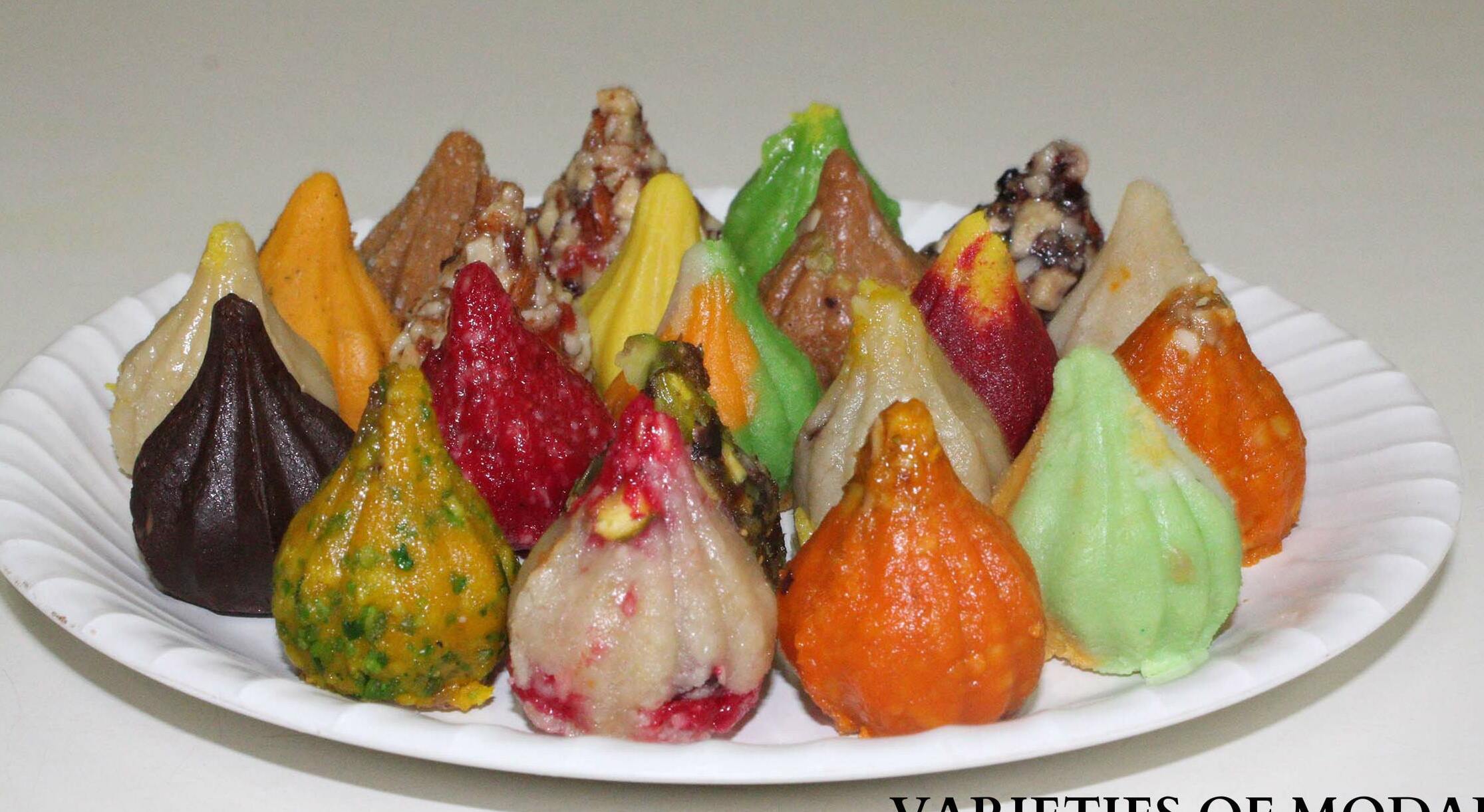
In the bustling metropolis of Mumbai, a tapestry of flavors and traditions weave through the vibrant streets, with none more beloved than the modak. This sweet dumpling, intricately crafted from rice flour and filled with a luscious mix of freshly grated coconut and jaggery, holds a special place in the heart of the city and its people. The modak is more than just a dessert; it is a symbol of divine favor and cultural heritage, deeply embedded in the customs of Ganesh Chaturthi, a festival that embodies the spirit of Mumbai.
The origins of the modak can be traced back to ancient Hindu mythology, where it is believed to be the favorite food of Lord Ganesha, the elephant-headed deity revered as the remover of obstacles and the god of beginnings. This connection has made the modak an indispensable offering during Ganesh Chaturthi, a festival that marks the birth of Ganesha. Celebrated with grandeur across Mumbai, Ganesh Chaturthi sees families preparing and offering modaks to seek the deity's blessings. Historical records suggest that the ritual of offering modaks dates back centuries, with references found in sacred texts like the Padma Purana.
In terms of artistic significance, the making of modak is a form of culinary art in itself. The delicate process of shaping the dough into perfectly symmetrical dumplings showcases the skill and precision of the cook. Each modak is a work of art, with the pleated edges resembling the petals of a flower. While the traditional ukadiche modak, a steamed variant, remains the most revered, modern interpretations have emerged, incorporating diverse flavors such as chocolate and saffron, reflecting Mumbai's ever-evolving culinary landscape.
Mumbai's cultural fabric is rich and diverse, and festivals like Ganesh Chaturthi highlight the city's unity in diversity. During this ten-day festival, the streets come alive with processions, music, and dance, as families and communities come together to celebrate. The festival fosters a sense of communal harmony, with people from different backgrounds participating in the festivities. The modak plays a central role in these celebrations, symbolizing the sweetness of life and the joy of giving.
Beyond the modak, Mumbai's gastronomic scene is a reflection of its cosmopolitan character. Street food is ubiquitous, with vendors offering an array of delights such as vada pav, pani puri, and pav bhaji. Each dish tells a story of cultural amalgamation, much like the city itself. For those looking to experience modak outside of Ganesh Chaturthi, several sweet shops across Mumbai, like Aaswad in Dadar and Prakash Shakahari Upahaar Kendra, offer these sweet treats year-round.
For the curious traveler, there are lesser-known facets of the modak that add to its allure. While the traditional filling of coconut and jaggery is the most popular, regional variations exist. In Maharashtra's Konkan region, the fried modak, known as talniche modak, is a crispy alternative. Moreover, the intricate process of making modak is often passed down through generations, with grandmothers teaching the art to their grandchildren, preserving this culinary tradition.
When planning a visit to Mumbai, timing it with the Ganesh Chaturthi festival, typically held in August or September, is ideal for those wishing to experience the full cultural significance of the modak. During this time, the city is adorned with vibrant decorations, and makeshift stalls selling modak and other festival delicacies pop up throughout the city. Visitors should be prepared for large crowds and lively celebrations, with the grand procession on the final day being a must-see event.
For a more intimate experience, consider visiting local neighborhoods like Girgaum or Lalbaug, where you can witness families preparing modaks in their homes and partake in community celebrations. Engaging with locals and participating in the making of modak can offer a deeper understanding of its cultural importance.
In summary, the modak is not merely a sweet treat; it is a cultural emblem of Mumbai, embodying the city's rich traditions and the spirit of community. From its mythological roots to its contemporary adaptations, the modak remains a cherished aspect of Mumbai's identity, offering a taste of history and heritage in every bite.
