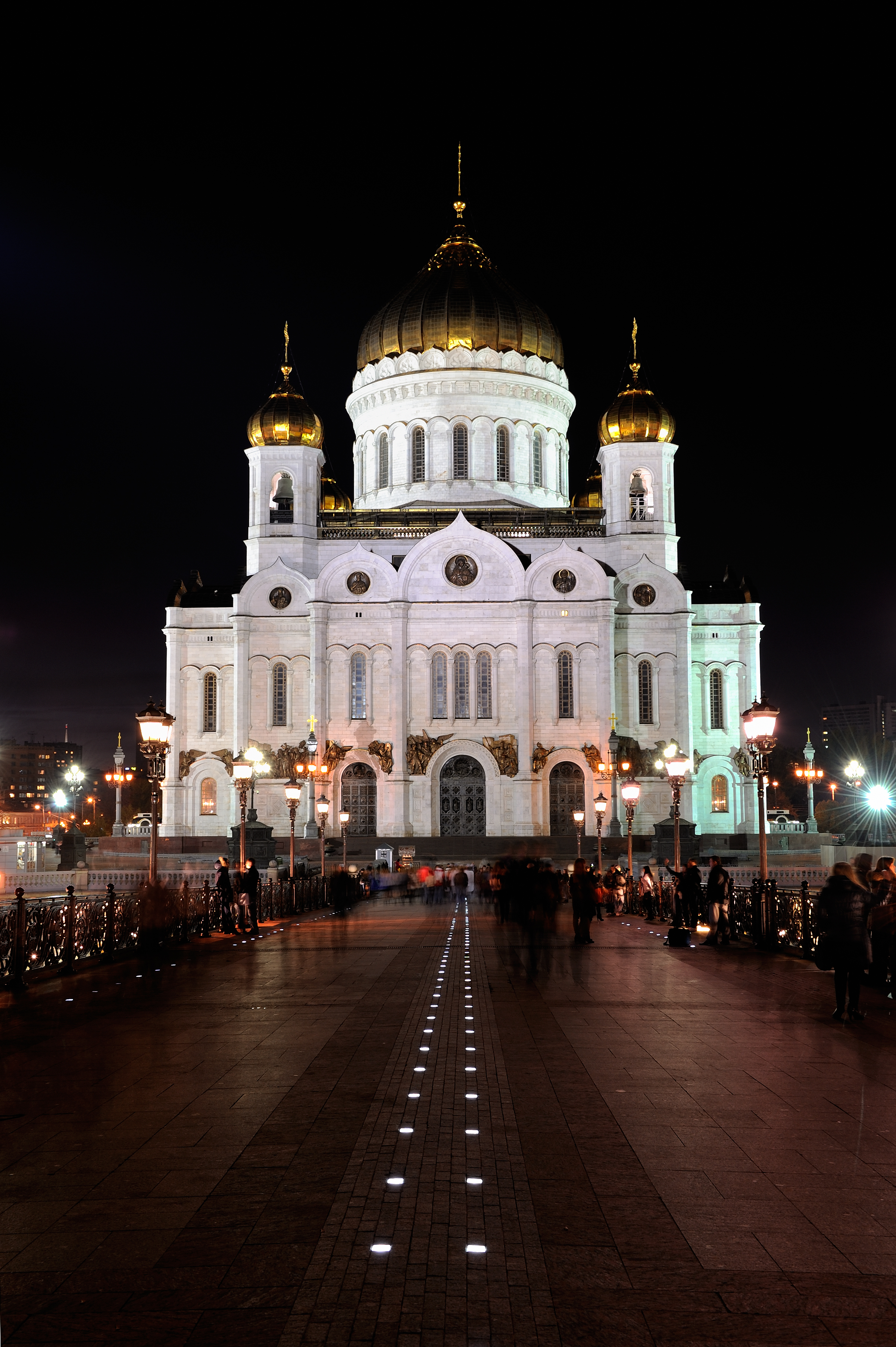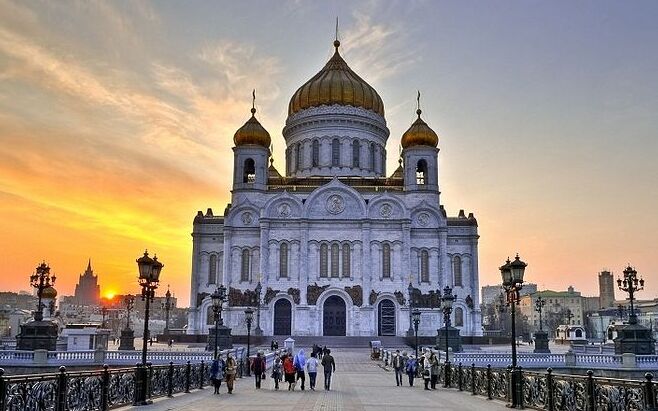

Rising majestically along the banks of the Moskva River, the Cathedral of Christ the Saviour stands as a testament to both the resilience of the Russian spirit and the tumultuous history that has shaped Moscow. This grand edifice, with its golden domes gleaming in the sunlight, recounts a story of faith, destruction, and rebirth that dates back to the early 19th century.
### History and Origins The origins of the Cathedral of Christ the Saviour can be traced back to 1812, following the Napoleonic Wars. As Russia emerged victorious over Napoleon’s invasion, a national sentiment of gratitude and reflection led to the decision to construct a cathedral dedicated to the Saviour. The official commissioning came in 1812, but construction did not commence until 1839 under the guidance of architect Konstantin Ton, who envisioned a grand structure in the Russian Byzantine style. The cathedral was completed in 1883, becoming a prominent symbol of Russian Orthodoxy.
However, the cathedral's fate took a dark turn in 1931 when it was dynamited under the orders of Joseph Stalin, who intended to replace it with the Palace of the Soviets—a colossal structure that was never realized. The cathedral’s destruction was a significant blow to the cultural landscape of Moscow, erasing a historical and spiritual monument from the skyline.
In a remarkable twist of fate, in 1990, the Russian Orthodox Church received permission to rebuild the cathedral. The reconstruction was completed in 2000, and while it retains the essence of the original design, modern materials were utilized, leading to a slightly different aesthetic. Standing at 105 meters (344 feet), it is now the tallest Orthodox church in the world.
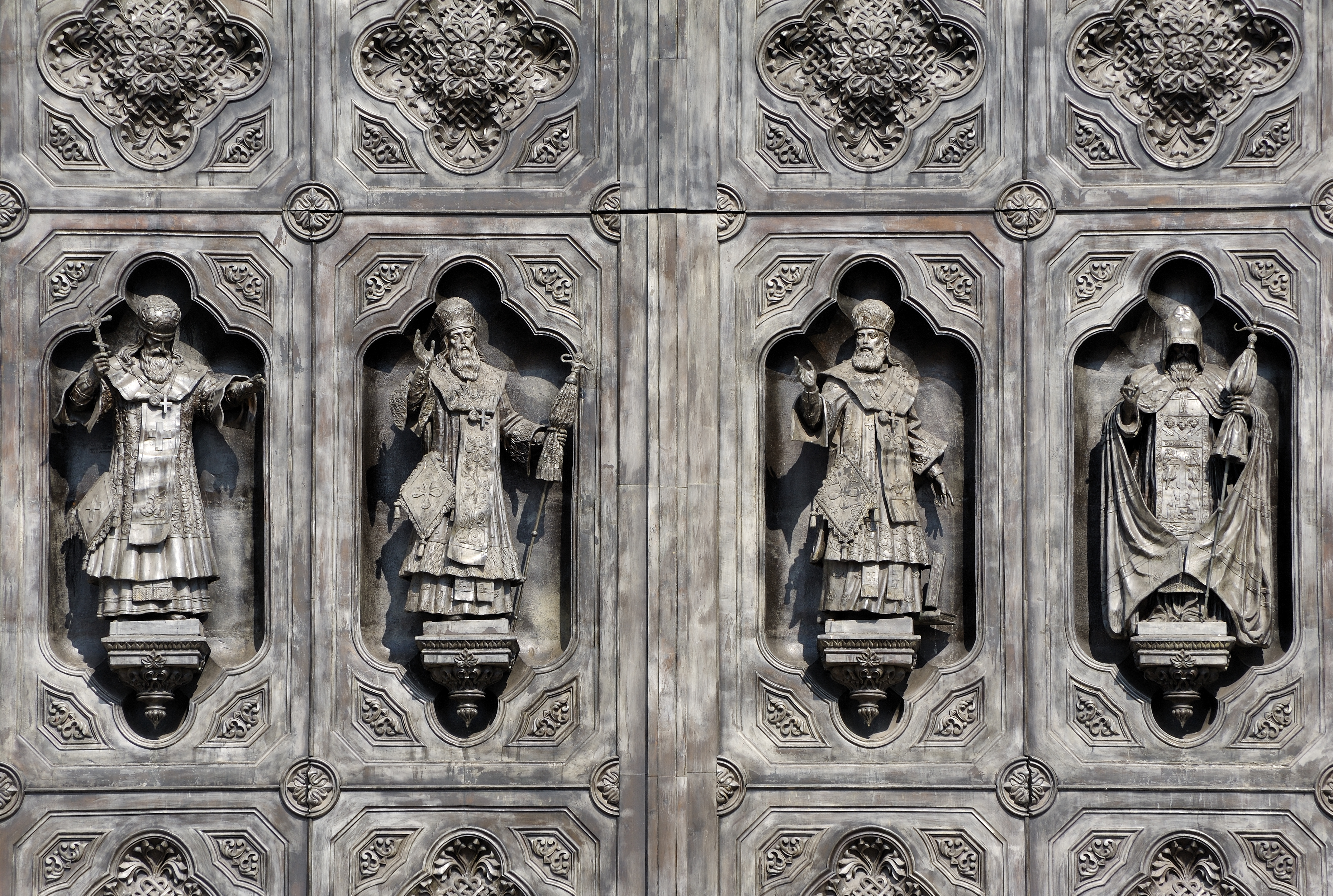
### Art and Architecture The architectural style of the Cathedral of Christ the Saviour is a fusion of Russian Byzantine and Neoclassical elements, characterized by its grand columns, intricate domes, and elegant mosaics. The exterior is adorned with white Krestetsky stone, giving it a pristine appearance that contrasts beautifully against the blue sky.
Inside, visitors are greeted by stunning frescoes and mosaics that depict biblical scenes and saints, crafted by some of Russia’s most talented artists. Notably, the Iconostasis, a richly decorated screen separating the altar from the main worship area, is a breathtaking highlight, showcasing the artistry and devotion of its creators. The cathedral’s dome is also home to a massive, gilded cross, which is illuminated by sunlight streaming through the windows, casting a divine glow over the interior.
### Local Culture and Traditions The Cathedral of Christ the Saviour is not just a religious site; it is a cultural cornerstone for many Muscovites. Throughout the year, it hosts numerous religious services, including Easter and Christmas celebrations, drawing thousands of worshippers. The cathedral is a focal point during Orthodox Christian festivals, where traditions such as candle-lit processions and communal prayers take center stage.
Local customs often extend beyond the church walls; for instance, many families visit the cathedral during significant life events such as baptisms, weddings, and funerals, solidifying its role as a sacred space within the community. Moreover, the surrounding area frequently hosts cultural events and concerts, making it a vibrant hub of activity.
### Gastronomy When visiting the Cathedral of Christ the Saviour, indulging in local cuisine is a must. Nearby, you can find traditional Russian eateries serving dishes like Borscht (a beet soup), Pelmeni (dumplings), and Blini (thin pancakes). Don’t miss trying a glass of Kvas, a fermented beverage made from rye bread, often enjoyed by locals. For dessert, the sweet Pirozhki—small pastries filled with fruits or meats—are a delightful treat to savor after a spiritual day of exploration.
### Lesser-Known Curiosities While the grandeur of the cathedral is undeniable, several lesser-known facts may surprise visitors. For instance, during its reconstruction, some of the original pieces were salvaged, including the large bell, which was restored and now hangs in the cathedral. Additionally, few know that the cathedral hosts a museum that details its original construction and tumultuous history, providing context to its significance.
Another intriguing element is the underwater chapel that was designed during the reconstruction phase. Although it is not open to the public, it symbolizes the depth of faith and resilience that the cathedral embodies, connecting to the waters of the Moskva River nearby.
### Practical Visitor Information The best time to visit the Cathedral of Christ the Saviour is during the spring and summer months, from May to September, when the weather is pleasant, and the surrounding gardens are in full bloom. Weekdays tend to be quieter for those seeking a more peaceful experience, while weekends can be bustling with worshippers and tourists alike.
When visiting, be sure to dress modestly, as it is a sacred space. Take your time to explore both the interior and exterior, and do not miss the chance to climb to the dome for a breathtaking view of Moscow. Photography is allowed, but always be respectful of those who are there to pray.
In conclusion, the Cathedral of Christ the Saviour is more than just an architectural marvel; it is a symbol of resilience and faith deeply woven into the fabric of Russian culture. To fully immerse yourself in the rich tapestry of experiences offered by Moscow, consider using the Secret World app to create a personalized itinerary that reveals the city’s hidden gems.