
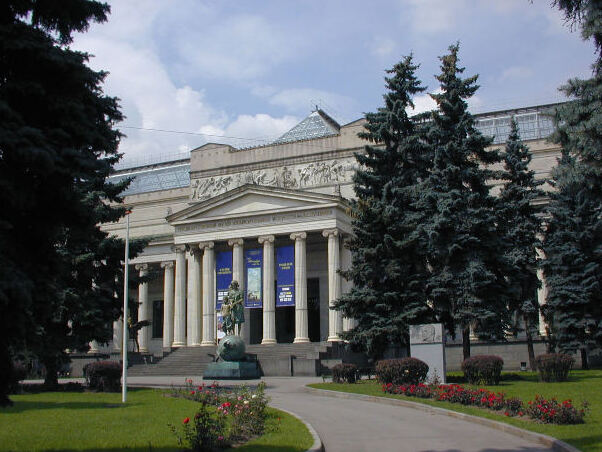

Nestled in the heart of Moscow, the Museo Pushkin delle belle arti stands as a testament to the enduring allure of European art, resonating with the whispers of history and culture. This grand institution, officially known as the Pushkin State Museum of Fine Arts, offers visitors an unparalleled glimpse into the artistic treasures of Europe, making it a vital cultural hub in Russia.
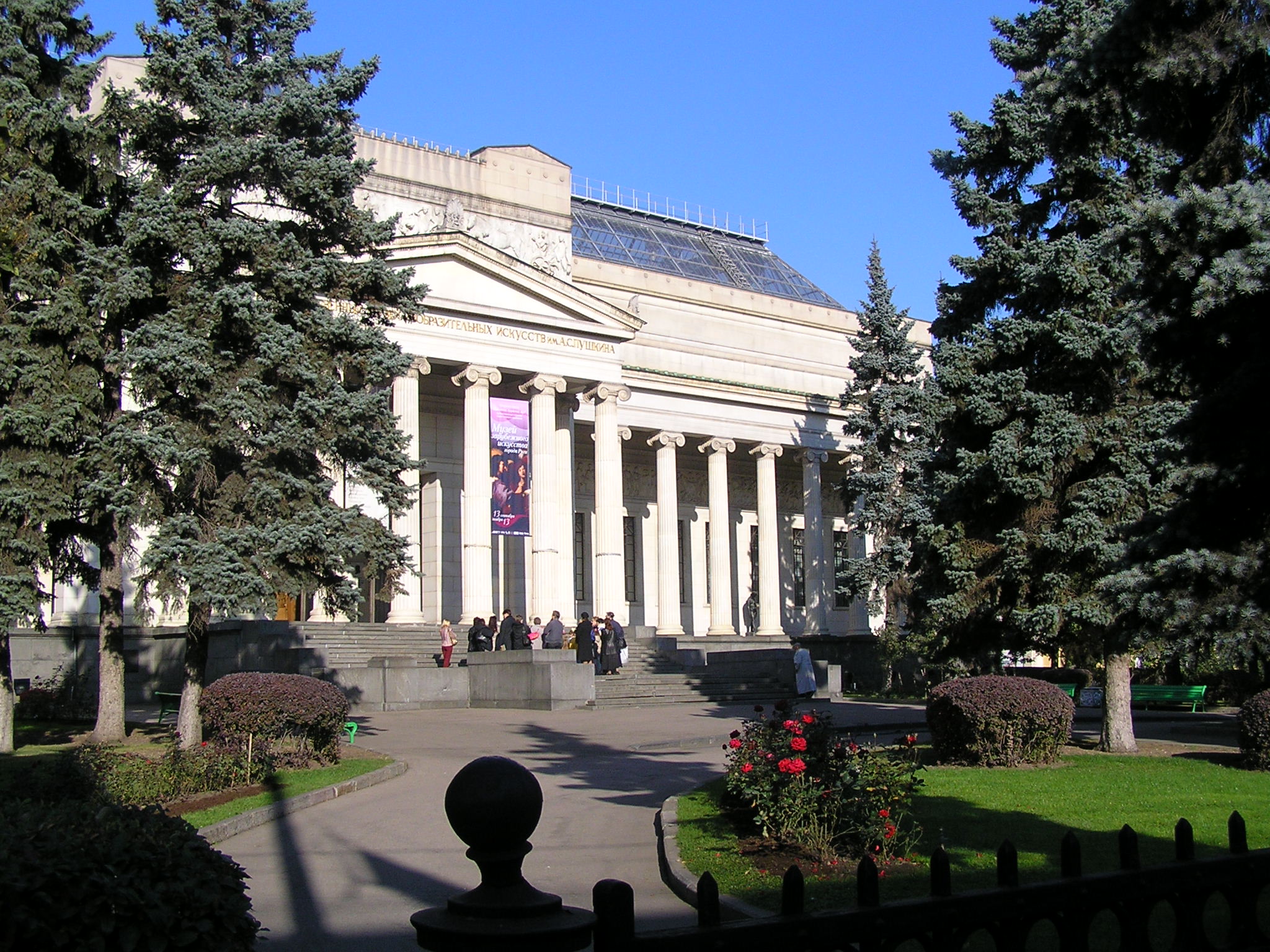
The museum's origins date back to the early 20th century, with its foundation stone laid in 1898. The initiative was spearheaded by Ivan Tsvetaev, a visionary art historian and professor, who was determined to create a space that would house copies of the world's most significant artworks, making them accessible to the Russian public. It opened its doors in 1912, originally as the Museum of Fine Arts affiliated with Moscow University. The name was later changed to honor the celebrated Russian poet Alexander Pushkin, symbolizing a bridge between Russian and European cultural heritage.
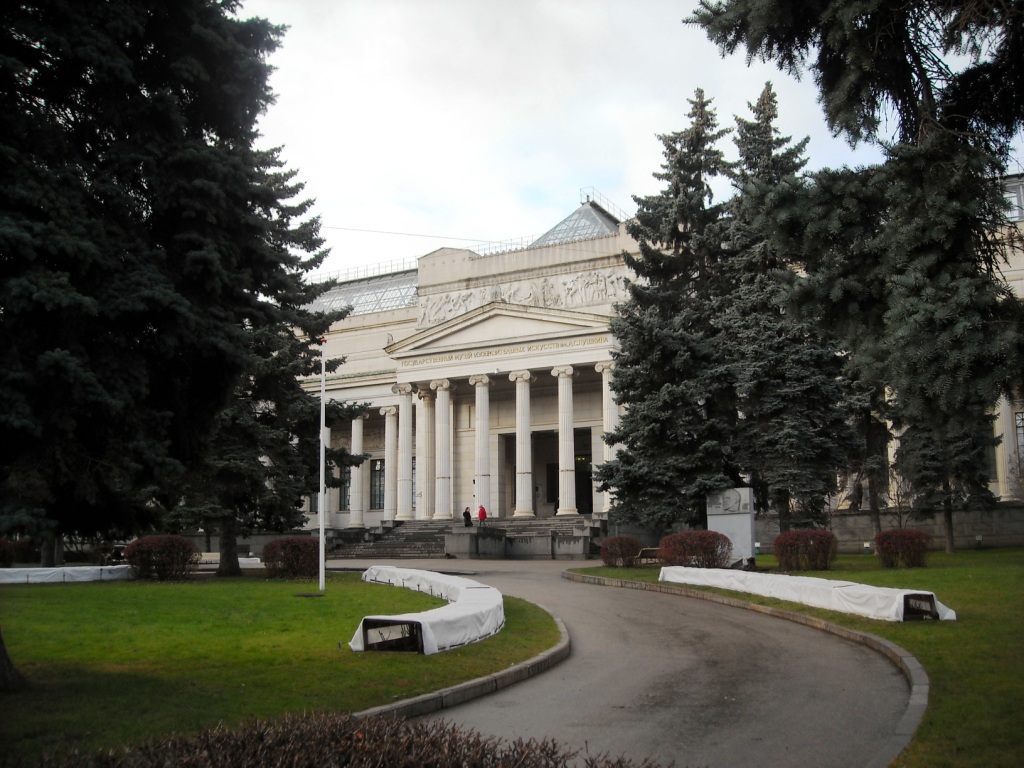
The architecture of the museum itself is a marvel. Designed by Roman Klein in the neoclassical style, it exudes an air of timeless elegance. The façade, reminiscent of ancient Greek temples, is adorned with majestic columns, inviting visitors into a world where art and history converge. Inside, the museum's halls echo with the footsteps of countless art aficionados who have come to admire its collections. The museum houses over 700,000 works, with masterpieces from Monet, Rembrandt, Michelangelo, and Van Gogh curated meticulously across its sprawling galleries.
Notable artworks include Monet's "Rouen Cathedral in Sunlight," a stunning play of light and shadow that captures the essence of Impressionism, and Van Gogh's "Red Vineyard," one of the few paintings the artist sold during his lifetime. Each piece tells a story, offering a window into the era it was created.
The local culture surrounding the museum is rich and vibrant. Moscow is a city that celebrates its heritage with festivals and traditions that are as colorful as the masterpieces housed within the museum. The annual Moscow International Film Festival and the Moscow Biennale of Contemporary Art are just a few examples of the city's commitment to the arts. Visitors during these times can experience a unique blend of film, art, and music, adding layers to their cultural exploration.
While the museum itself doesn't offer gastronomy, the surrounding area in Moscow is a haven for food lovers. Typical Russian cuisine, such as borscht, a beetroot soup, and pelmeni, delicious dumplings, can be found in nearby eateries. Pair these with a glass of kvass, a traditional Russian beverage made from fermented bread, for an authentic taste of Moscow.
For those keen on delving deeper, the museum holds lesser-known curiosities that often go unnoticed. One such gem is the "Gallery of Ancient Art," where replicas of classical Greek and Roman sculptures provide an educational glimpse into ancient civilizations. Additionally, the museum frequently hosts temporary exhibitions that showcase rare art pieces and thematic collections, offering something new with each visit.
Practical visitor information is crucial for planning a trip to this artistic haven. The museum is open throughout the year, but visiting in the spring or fall offers a more comfortable climate for exploring Moscow. Weekdays tend to be less crowded, providing a more intimate experience with the artworks. It's advisable to check the museum's official website for current exhibitions and events, as these can significantly enhance the visit. Audio guides are available, providing insightful commentary on the museum’s vast collections.
In essence, the Museo Pushkin delle belle arti is not just a repository of art but a gateway into the soul of European culture, beautifully nestled within the vibrant tapestry of Moscow's historical and cultural landscape. Whether you're an art connoisseur or a curious traveler, this museum promises a journey through time, art, and the enduring beauty of human expression.


