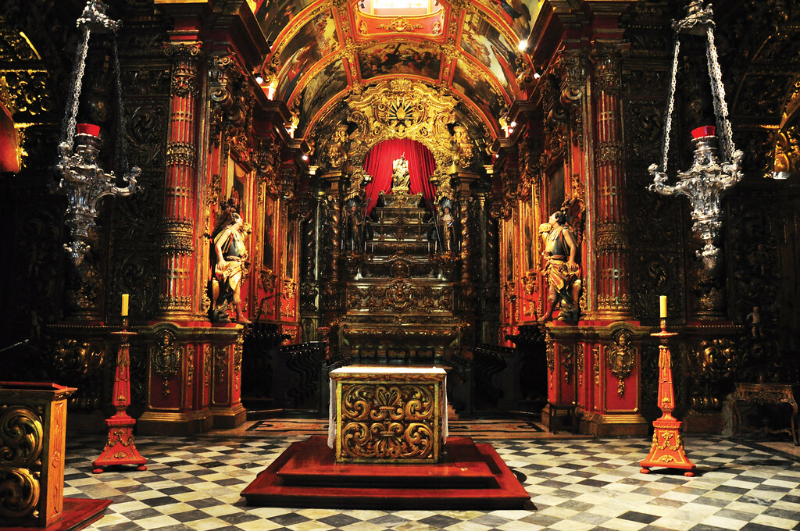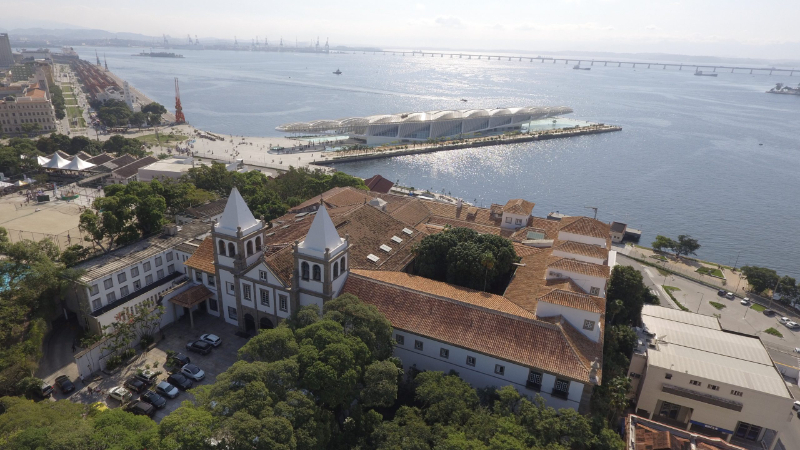

The Benedictines, the first religious order to firmly establish itself in Brazil, founded this magnificent hilltop monastery and church in 1590, just to the north of the city center. The Abacial Church is one of the most beautiful churches in Rio de Janeiro – if not the most beautiful – and one of the main monuments of the Portuguese-Brazilian Baroque. The construction of the church began in 1633 and lasted more than a hundred years, with the works being completed in 1798 – minor changes occurred later. The facade of the church is very simple, contrasting with the richness of the interior. Gilded wood carving work was carried out between 1694 and 1734.
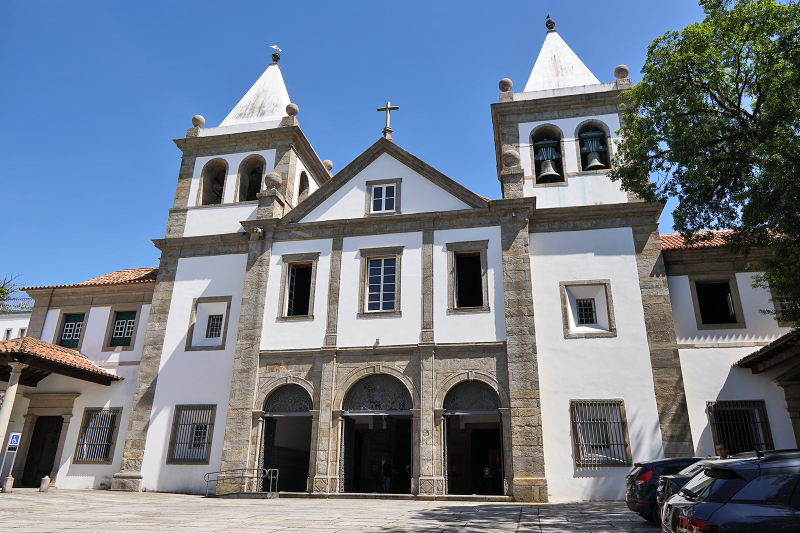
The church and monastery building are the work of four 17th century monks: Friar Leandro de São Bento and Friar Bernardo de São Bento Corrêa de Souza, architects, Friar Domingos da Conceição da Silva, sculptor and Friar Ricardo do Pilar, painter. Also worth mentioning is Master Inácio Ferreira Pinto, a great carver and sculptor of the chancel in the second half of the 18th century. The Abbey Church especially comprises a central nave, in front of which is the chancel, integrated by the high altar, the choir (place where the monks spend their moments of prayer) and the throne where, on the last step, the image of the patron saint of the Monastery, Our Lady of Monserrate.
To the left of those looking at the high altar is the Chapel of the Blessed Sacrament and, in sequence, the altars of São Mauro, Nossa Senhora do Pilar and São Caetano. To the right are the altars of Nossa Senhora da Conceição, São Lourenço, Santa Gertrudes and São Brás. Next to the entrance door are the “false chapels” of Beata Ida de Louvain (on the left as you leave) and Santa Francisca Romana (opposite).