
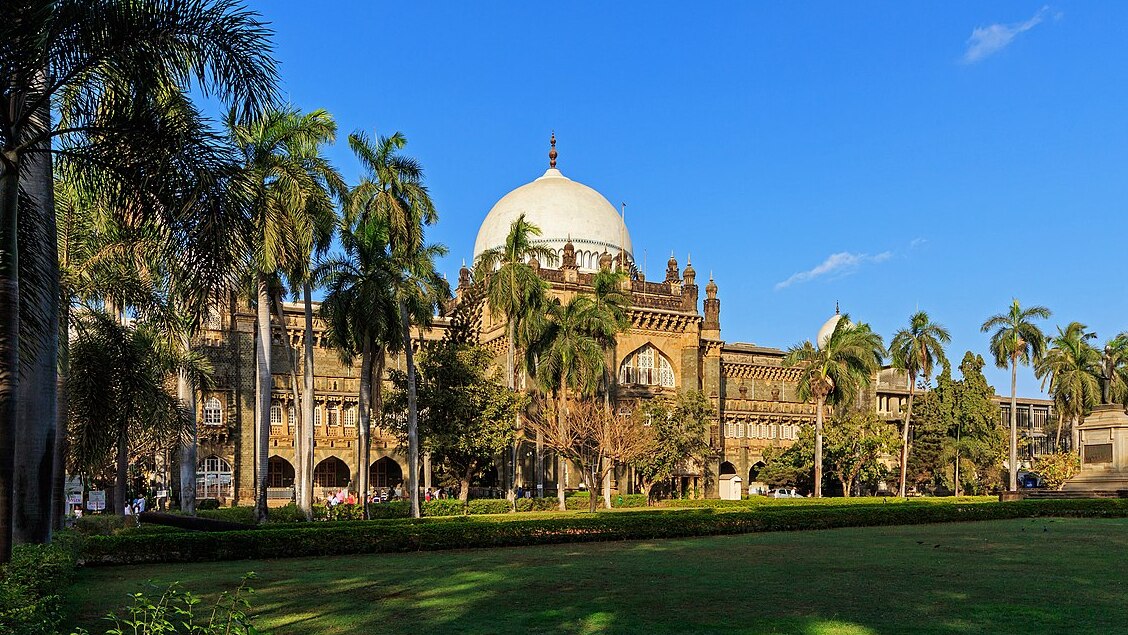

Nestled in the heart of Mumbai is the Chhatrapati Shivaji Maharaj Vastu Sangrahalaya, formerly known as the Prince of Wales Museum. This stunning museum, established in 1922, is a testament to the city’s rich history and artistic heritage. Its Indo-Saracenic architectural style is an enchanting blend of Indian and Islamic influences, marked by intricate details that tell the stories of yesteryears.

The museum was founded during the visit of Prince of Wales, later King Edward VIII, to India, intended to celebrate the unity of the Indian people under British rule. The building itself, inaugurated on January 10, 1922, was designed by the architect George Wittet, who drew inspiration from the majestic Gol Gumbaz in Bijapur for its dome and the Taj Mahal for its final touches. The museum stands as a symbol of Mumbai’s colonial past, yet it has evolved into a treasure trove of cultural significance.
Today, the Chhatrapati Shivaji Maharaj Vastu Sangrahalaya houses around 50,000 artifacts spanning centuries and continents. Some of the most notable pieces include sculptures, terracottas, and miniature paintings that encapsulate the diverse artistic traditions of India. The museum also features a collection of Chinese porcelain and Japanese ivories, illustrating the rich interplay of cultures along ancient trade routes. Additionally, the Natural History section invites visitors to explore the biodiversity of India through fossils, minerals, and animal specimens.

Beyond its architectural grandeur and vast collection, the museum plays an integral role in Mumbai’s cultural fabric. It is a hub for local customs and traditions, especially during festivals and events celebrating Indian heritage. Events like Navaratri or Diwali see the museum hosting special exhibitions that showcase the vibrant colors and rituals of these important festivals. These gatherings not only draw in locals but also attract tourists eager to experience authentic Indian culture.
No visit to Mumbai is complete without indulging in its culinary delights. The area surrounding the museum is alive with the aroma of local street foods. Try the famous vada pav, a spicy potato fritter sandwiched in a bun, or the delectable pav bhaji, a mixed vegetable dish served with buttered bread, both of which are quintessential Mumbai snacks. For a refreshing drink, don’t miss the local favorite masala chai, a spiced tea that offers a comforting taste of home.
While the museum is a popular destination, there are lesser-known curiosities that make a visit even more intriguing. For instance, the museum has a hidden library, often overlooked by tourists, that holds rare books and manuscripts dating back centuries. Additionally, the museum's gardens, often missed, provide a tranquil escape from the urban hustle, showcasing various native plants and a serene atmosphere for reflection.
For those planning a visit, the best time to explore the Chhatrapati Shivaji Maharaj Vastu Sangrahalaya is between October and March, when the weather is cool and pleasant. It’s advisable to allocate at least a few hours to soak in the extensive collections, and consider joining a guided tour to fully appreciate the histories behind the artifacts. Don’t forget to check the museum’s schedule for any special exhibitions or events that might coincide with your visit.
In summary, the Chhatrapati Shivaji Maharaj Vastu Sangrahalaya is not just a museum; it is a living narrative of Mumbai’s historical and cultural journey through time. Each corner of this magnificent building whispers stories of art, history, and tradition that are essential to understanding the city.
To make the most of your Mumbai experience, consider using the Secret World app to craft a personalized itinerary that suits your interests.


