
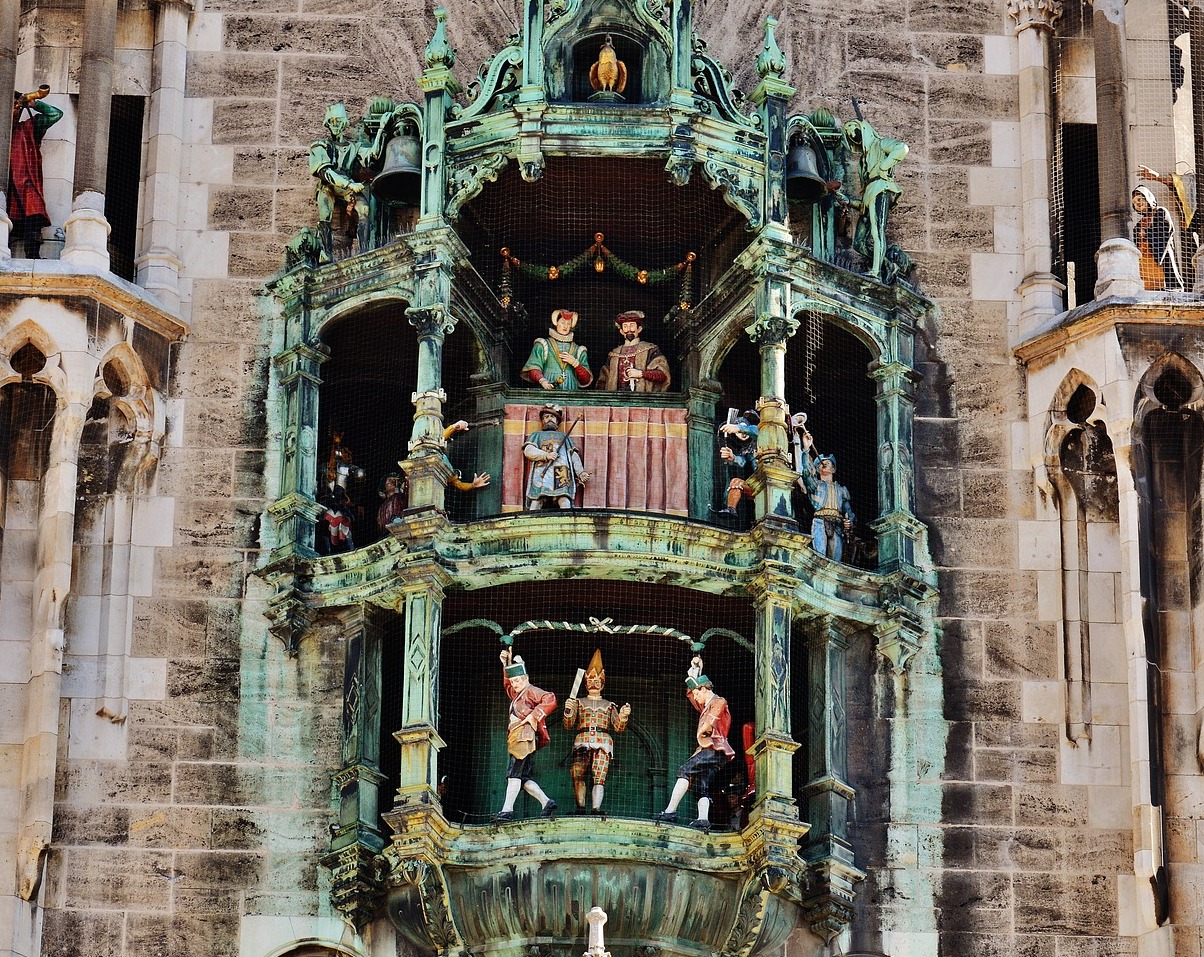

In the heart of Munich, the Glockenspiel stands as a majestic symbol of the city’s rich history and vibrant culture. This iconic clock tower, part of the New Town Hall (Neues Rathaus), invites onlookers to witness a captivating spectacle that blends art, history, and tradition.
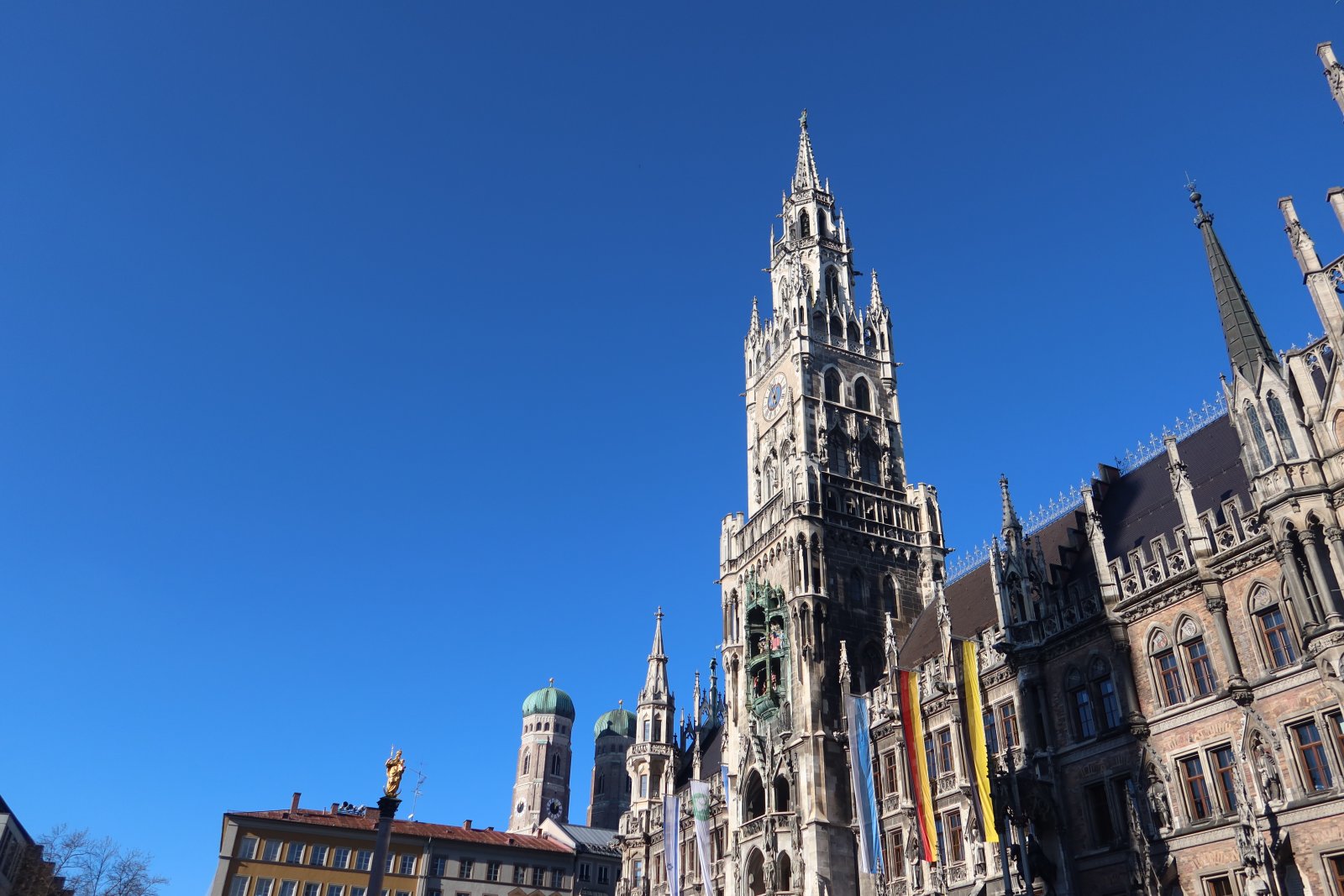
History and Origins The story of the Glockenspiel begins in the late 19th century when architect Georg Hauberrisser designed the New Town Hall, which was completed in 1900. The Glockenspiel itself was installed in the tower and quickly became a focal point of the Marienplatz, the main square of Munich. The clock chimes daily at 11 a.m., noon, and 5 p.m., captivating locals and tourists alike with its enchanting display.
The Glockenspiel narrates two significant events: the wedding of Duke Wilhelm V to Renata of Lorraine in 1568 and a jousting tournament that celebrated this union. The figures, elegantly crafted, perform a dance that portrays the traditional coopers dance—a lively celebration honoring the city’s skilled craftsmen. This intertwining of local history with the artistry of mechanics showcases how Munich cherishes its past while celebrating its vibrant present.
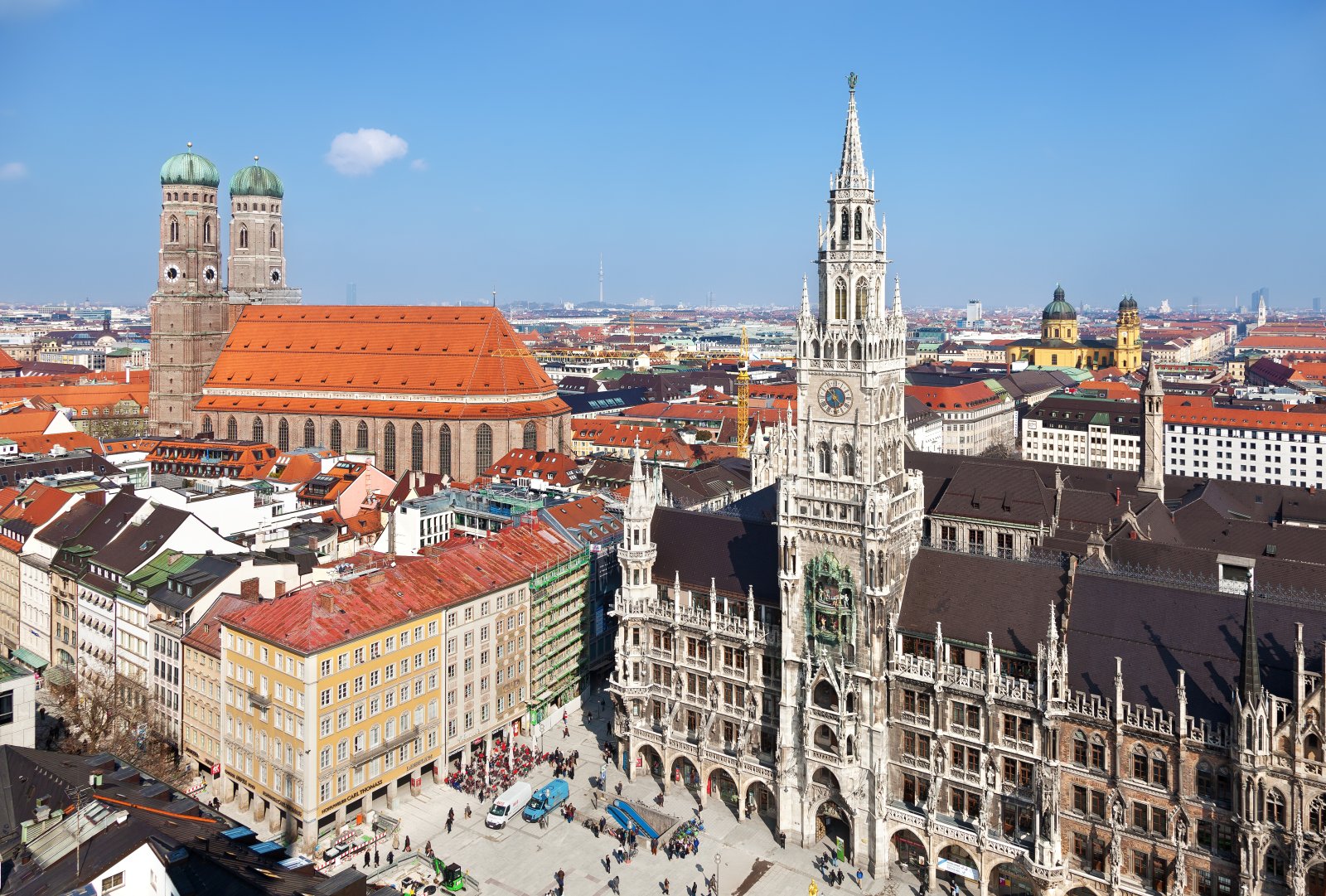
Art and Architecture The Glockenspiel exemplifies Gothic Revival architecture, a style characterized by intricate details and verticality, which is prominent in the New Town Hall’s grand facade. Standing at nearly 100 meters tall, the tower itself is a stunning feat of engineering, adorned with intricate sculptures and decorative elements.
Within its clock face, 43 bells chime beautifully, but it is the 32 life-sized figures that steal the show. Each figure is meticulously designed and painted, bringing to life the stories of Munich's history. The craftsmanship involved in the Glockenspiel is a testament to the skill of artisans from over a century ago, preserving the artistry that defines this historical landmark.
Local Culture and Traditions The Glockenspiel is more than just an architectural marvel; it is deeply woven into the cultural fabric of Munich. Each year, the city celebrates various festivals that reflect its rich traditions, such as Oktoberfest, the world's largest beer festival, where locals and visitors alike indulge in traditional foods and Bavarian brews.
During these festivities, the Glockenspiel becomes a meeting point for locals, who gather to enjoy the festive atmosphere and partake in the revelry. The clock's show is a cherished ritual, reminding residents of their shared history and cultural identity.
Gastronomy A visit to Munich is incomplete without indulging in its culinary delights. The city is renowned for its Bavarian cuisine, with hearty dishes like Weisswurst (white sausage) and Schweinshaxe (roasted pork knuckle) being local favorites. Accompanying these flavors are traditional Bavarian beers, which are served in massive steins, particularly during the lively Oktoberfest.
Just a short stroll from the Glockenspiel, you can find numerous beer gardens and restaurants, where you can savor pretzels and Obatzda (a creamy cheese spread), perfectly complemented by a refreshing lager. Each bite tells a story of the region's agricultural heritage and its commitment to quality ingredients.
Lesser-Known Curiosities While many are drawn to the Glockenspiel's famous performances, few know that it has a quirky side. For instance, the clock's mechanism was initially powered by a complex system of weights and gears, but now it has been modernized for efficiency. Additionally, there's a secretive tradition among locals: if you stand at the right angle during the show, you can catch a glimpse of the golden rooster that crows at the end of the performance—a detail often overlooked by first-time visitors.
Another surprising aspect is how the Glockenspiel embodies the spirit of resilience. After World War II, when much of Munich was devastated, the clock was one of the first structures restored, symbolizing hope and renewal for the citizens.
Practical Visitor Information The best time to visit the Glockenspiel is during the warmer months, from March to October, when the daily shows attract large crowds. Arriving a bit early will secure you a good viewing spot in Marienplatz, allowing you to soak in the atmosphere before the performance begins.
For those eager to explore more, consider wandering through the nearby Viktualienmarkt, a bustling food market, or taking a leisurely stroll along the Isar River. Don’t forget your camera; the vibrant colors of the figures against the backdrop of the New Town Hall make for perfect photographs.
As you plan your trip to experience the magic of the Glockenspiel, consider using the Secret World app to create a personalized itinerary that will help you uncover the hidden gems of Munich.


