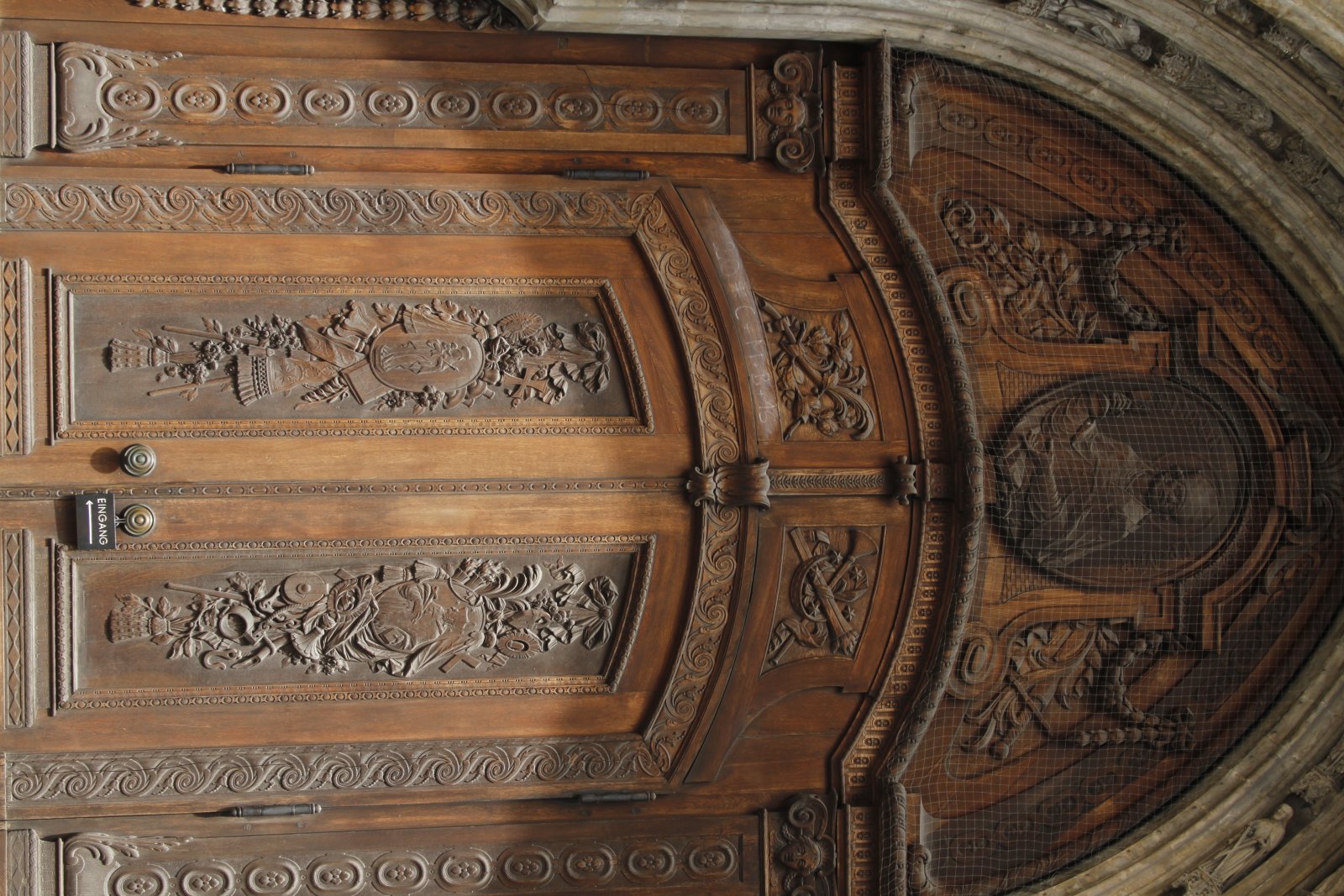

In the heart of Munich, one of Germany's most captivating cities, lies a striking legend tied to its architectural heritage: the Teufelstritt, or Devil's Footprint. This intriguing tale originates from the 15th century when the city's architect Jorg von Halspach sought funding for the construction of a grand cathedral. According to local lore, von Halspach struck a bargain with the Devil himself, who promised to finance the project under one ominous condition: the cathedral would be designed without windows, a celebration of darkness and despair.
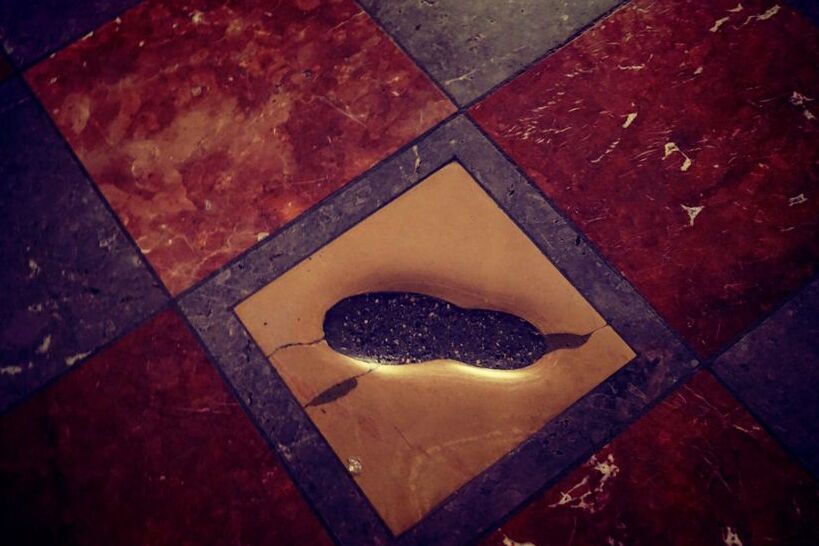
When the cathedral was completed, von Halspach led the Devil inside, eager to unveil his creation. The design was indeed dark, with no visible windows to let in the light. However, as the Devil stepped further into the cathedral, he found the columns that obscured the light shifting, revealing the windows hidden behind. Enraged at being duped, the Devil stamped his foot on the floor, leaving a permanent mark: a black footprint that is now a fascinating feature of the cathedral.
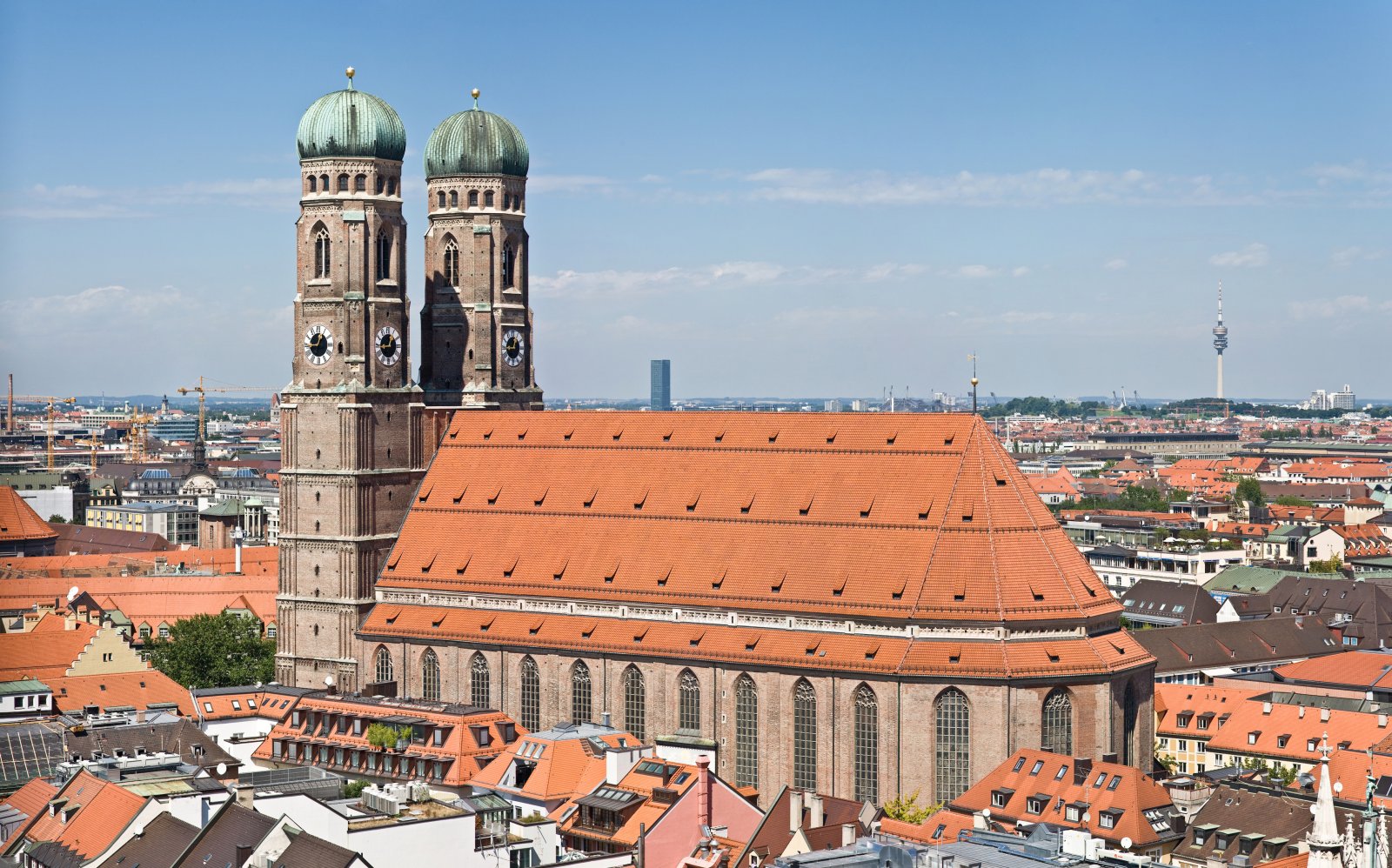
### History and Origins The Teufelstritt is located in the Frauenkirche, or Cathedral of Our Dear Lady, which has stood since its consecration in 1494. This landmark of Munich, characterized by its two iconic onion domes, is not just an architectural marvel but a symbol of the city itself. The Frauenkirche was designed in the Gothic style, and its construction marked a significant period of growth for Munich, transforming it into a center of culture and power in Bavaria.
Throughout the centuries, the cathedral has witnessed pivotal events in German history, including the tumultuous times of the Reformation and the political upheavals of the 19th century. Its architectural significance lies not only in its size and design but also in its role as a burial site for several Bavarian dukes.
### Art and Architecture The Frauenkirche embodies the Gothic architectural style, characterized by its tall, vaulted ceilings and intricate stonework. Inside, the vast nave captivates visitors, while the altars and stained glass windows offer glimpses into the artistry of the period. The absence of light was a deliberate choice to invoke a sense of solemnity and reflection, aligning with the legend of the Devil’s bargain.
Noteworthy is the Sonnenfeld, or sun field, an optical illusion created by the way light enters the cathedral. Visitors can observe how the light plays across the interior, creating an ethereal atmosphere that contrasts sharply with the dark tale of the Devil’s footprint.
### Local Culture and Traditions The legend of the Teufelstritt has woven itself into the cultural fabric of Munich. Locals often recount the story during festivals and gatherings, particularly during Oktoberfest, when the city transforms into a bustling celebration of Bavarian culture. This annual festival, held in late September to the first weekend in October, sees millions flock to the city to enjoy traditional Bavarian foods, beer, and lively music.
Additionally, the Frauenkirche is a focal point during the Advent season, as the city lights up with festive decorations. Visitors can partake in traditional Christmas markets, sampling local delicacies and experiencing the warmth of Bavarian hospitality.
### Gastronomy Munich's culinary scene is rich and diverse, with the Frauenkirche at its heart. The city is famous for its pretzels, known as Brezn, which are a staple at the Oktoberfest. Pairing this with a glass of Hefeweizen, a traditional wheat beer, creates an authentic Bavarian experience.
Another local specialty is Weisswurst, a white sausage typically served with sweet mustard and freshly baked pastries. These delightful dishes capture the essence of Bavarian cuisine, reflecting the region's agricultural roots and historical influences.
### Lesser-Known Curiosities While many tourists flock to the Frauenkirche for its architectural beauty and the infamous Devil's footprint, few know about the hidden crypt beneath the cathedral. This lesser-known space serves as the final resting place for numerous Bavarian royals. Visitors often overlook the fact that the cathedral's original design included a plan for a second tower, which was never completed due to budget constraints—an intriguing aspect of the building's history.
### Practical Visitor Information Visiting the Frauenkirche is a must when in Munich. The best time to appreciate this magnificent structure is during the early morning or late afternoon when the light enhances its dramatic features. Admission is free, but donations are appreciated, and guided tours offer deeper insights into its rich history.
For those seeking to explore the legend of the Devil's Footprint, be sure to look down at the floor as you enter the cathedral. The footprint serves as a reminder of the intricate tales that lie within these ancient walls.
In this vibrant city, where history and legend intertwine, the Teufelstritt remains a captivating highlight. To ensure a personalized experience of Munich, consider using the Secret World app for tailored itinerary suggestions.