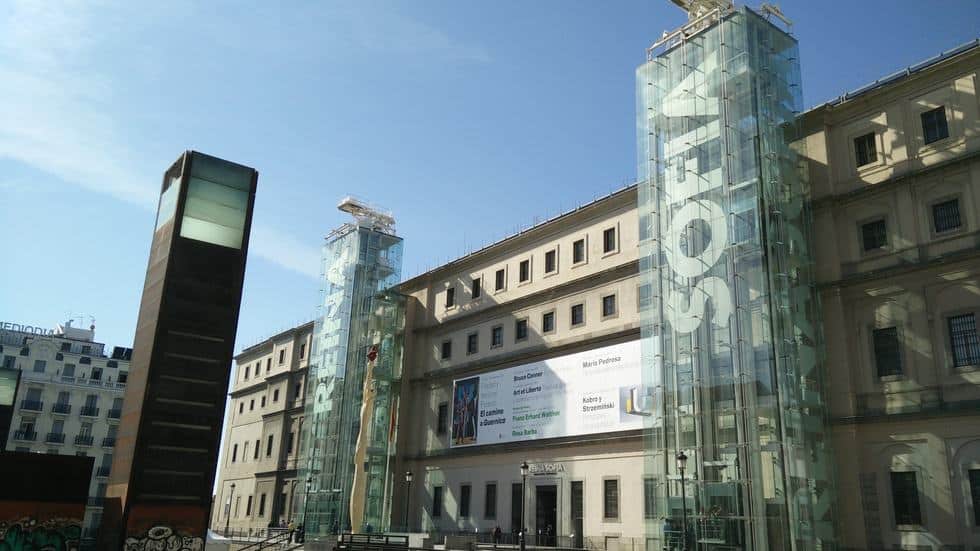

The Museo Nacional Centro de Arte Reina Sofía is more than just a museum; it's a vibrant canvas that reflects the soul of modern Spain. Nestled in the heart of Madrid, this institution has become a cornerstone of contemporary art, welcoming visitors to explore its rich tapestry of history, art, and culture since its inauguration in 1990.
### History and Origins
The museum's roots can be traced back to the Spanish Civil War, a turbulent period that profoundly influenced the nation's artistic direction. Originally housed in the General Hospital of Madrid, the museum was established to showcase 20th-century Spanish art, particularly works that encapsulated the struggles and triumphs of the era. The Reina Sofía was named after Queen Sofia of Spain, who has been a patron of the arts.
In the years following its opening, the museum underwent significant renovations and expansions to adapt to the growing collection of artwork. Jean Nouvel, a renowned French architect, was responsible for the latest enhancements, which were completed in 2005. The museum's architecture reflects a blend of historical and modern elements, creating a harmonious space for art to thrive.
### Art and Architecture
The architectural style of the Reina Sofía is an intriguing meld of the old and the new. The original building, a neoclassical structure, is complemented by sleek modern additions that enhance the flow of light and space. Visitors are often captivated by the expansive glass roof that floods the central atrium with natural light, creating a serene atmosphere conducive to contemplation.
The museum is home to an impressive collection of over 21,000 works by prominent artists, with a particular emphasis on Spanish masters. Among its most celebrated pieces is Pablo Picasso's Guernica. This monumental painting, created in 1937, serves as a powerful political statement against the horrors of war, specifically the bombing of the Basque town of the same name. Other notable artists represented in the collection include Salvador Dalí and Joan Miró, whose works invite viewers to delve into the surreal and playful aspects of the human experience.
### Local Culture and Traditions
Madrid is a city steeped in rich traditions and cultural vibrancy, and the Reina Sofía plays a pivotal role in this artistic landscape. The museum not only showcases visual art but also serves as a hub for cultural events, including film screenings, lectures, and workshops that engage the community. Throughout the year, Madrid celebrates various festivals, such as San Isidro, which honors the city's patron saint with processions, music, and traditional dances, reflecting the lively spirit of the locals.
### Gastronomy
No visit to Madrid would be complete without indulging in its culinary delights. The area surrounding the Reina Sofía offers a plethora of dining options that highlight local flavors. Traditional Spanish dishes such as tapas, paella, and churros are must-tries. For a quick bite, stop by a nearby café to enjoy tortilla española, a delicious potato omelet, paired with a refreshing glass of tinto de verano, a popular summer drink made of red wine and lemonade.
### Lesser-Known Curiosities
While the iconic Guernica often steals the spotlight, the Reina Sofía harbors several lesser-known treasures that intrigue art enthusiasts. For instance, the museum features a remarkable collection of photography, showcasing the evolution of Spanish visual culture. Additionally, the museum's gardens, designed by Israeli architect and landscape designer Moshé Safdie, offer a tranquil escape, adorned with native plants and sculptures that invite reflection.
One unique aspect of the museum is its commitment to accessibility. The Reina Sofía offers guided tours in several languages and hosts special events aimed at making art more inclusive for individuals with disabilities.
### Practical Visitor Information
The best time to visit the Museo Nacional Centro de Arte Reina Sofía is during the week, particularly on Wednesdays and Thursdays, when the crowds are thinner. The museum is open late on certain days, allowing you to experience the art in a quieter atmosphere. To make the most of your visit, consider dedicating several hours to fully immerse yourself in the collection.
Tip: Don’t miss the museum’s rooftop terrace, which provides stunning views of the city. Be sure to wear comfortable shoes, as you'll want to explore every corner of this expansive space.
In conclusion, the Museo Nacional Centro de Arte Reina Sofía is a treasure trove of artistic expression and cultural significance, representing the heart and soul of modern Spain. To enhance your visit to Madrid, consider using the Secret World app to create a personalized AI itinerary tailored to your interests.
