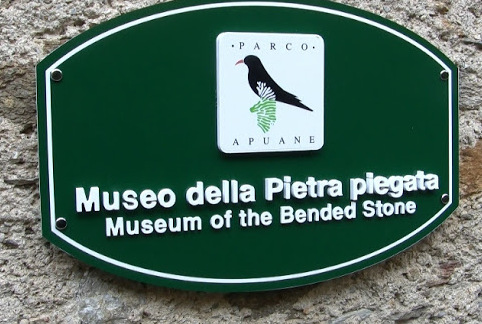

The Museo della Pietra Piegata (Museum of Folded Stone) is a hidden gem nestled in the quaint village of Levigliani, Italy, offering a captivating glimpse into the rich history of stone-working in the Apuan Alps. Established to honor the ancient craft that has shaped this region for centuries, the museum showcases a diverse collection of stone artifacts that span millennia, from pre-Roman works by the Apuan Ligurians to contemporary sacred art. The Apuan Alps, a mountain range famous for its marble quarries, has long been the lifeblood of the local economy, with stone extraction and crafting at its core. The museum itself is a testament to this enduring relationship between the people and their environment, housing both practical works and stunning artistic creations that tell the story of a community deeply connected to its geological heritage.
### History and Origins The origins of the Museum of Folded Stone can be traced back to the stone-working traditions that flourished in the Apuan Alps. The region has been inhabited since prehistoric times, with evidence of the Apuan Ligurians, an ancient tribe known for their craftsmanship in stone. By the Middle Ages, Levigliani emerged as a significant center for marble quarrying, which further developed during the Renaissance as the demand for high-quality marble soared. Notably, the famous sculptor Michelangelo sourced marble from nearby quarries for his masterpieces. Established in the late 20th century, the museum serves as a repository for this rich history, preserving artifacts that reflect the artistic and practical applications of stone in daily life.
### Art and Architecture The architecture of the Museo della Pietra Piegata itself is an homage to the surrounding landscape, featuring rustic stone walls that echo the very materials it showcases. Inside, visitors will find a treasure trove of artworks, from intricately carved religious icons to functional items such as tools and household utensils. One of the most striking pieces is a collection of sculptures that represent both ancient traditions and modern interpretations of stone artistry. The artistic significance of the museum lies not just in the individual pieces but in the narrative they weave about the Apuan Alps and their influence on local culture. Each artifact tells a story of craftsmanship, skill, and the deep-rooted connection between the people and their land.
### Local Culture and Traditions Levigliani is steeped in traditions that celebrate its stone-working heritage. Every summer, the village hosts the Festa della Pietra, a festival that pays tribute to the craft of stone carving. During this vibrant event, artisans demonstrate their skills, and visitors can participate in workshops, learning the techniques that have been passed down through generations. Local customs also include storytelling sessions where elders share tales of the past, illuminating the rich tapestry of life in the Apuan Alps. This festival not only preserves the craft but also fosters community spirit, drawing locals and visitors alike to celebrate their shared heritage.
### Gastronomy No visit to Levigliani would be complete without indulging in its culinary delights. The region is known for its traditional Tuscan cuisine, featuring hearty dishes that utilize local ingredients. One must-try is the tortelli lucchese, a type of stuffed pasta often filled with seasoned potatoes and served with rich meat sauces. The nearby hills provide ample opportunities for foraging, leading to dishes that highlight seasonal vegetables and herbs. Pair your meal with a glass of Chianti or Vernaccia di San Gimignano, both of which are produced in the surrounding vineyards. The local gastronomy reflects the simplicity and depth of the region's agricultural roots, offering an authentic taste of Tuscan life.
### Lesser-known Curiosities While the museum is a treasure trove of well-known artifacts, it also holds lesser-known secrets. One surprising fact is that many stones used in the museum's displays were sourced from local quarries that are still operational today. Additionally, the museum sometimes hosts temporary exhibitions that explore contemporary issues related to stone working and environmental sustainability, bridging the gap between ancient practices and modern challenges. Visitors may also discover that some of the tools on display were once used by renowned artisans whose works are now found in galleries around the world, making the museum a link between local craftsmanship and global art history.
### Practical Visitor Information The best time to visit the Museum of Folded Stone is during the spring and early fall when the weather is mild, allowing for a pleasant exploration of Levigliani and its surroundings. The museum is open year-round, but checking their official schedule for special events is advisable. When visiting, be sure to take a guided tour to gain deeper insights into the history and significance of the artifacts. Don't forget to explore the surrounding village, where you can enjoy breathtaking views of the Apuan Alps and perhaps even spot local artisans at work.
In conclusion, the Museo della Pietra Piegata is not just a museum; it's a celebration of the enduring legacy of stone-working in Levigliani. With its rich history, artistic treasures, and vibrant local culture, it offers a unique glimpse into the heart of the Apuan Alps. For a tailored experience while exploring this enchanting village, consider using the Secret World app to help plan your visit.
