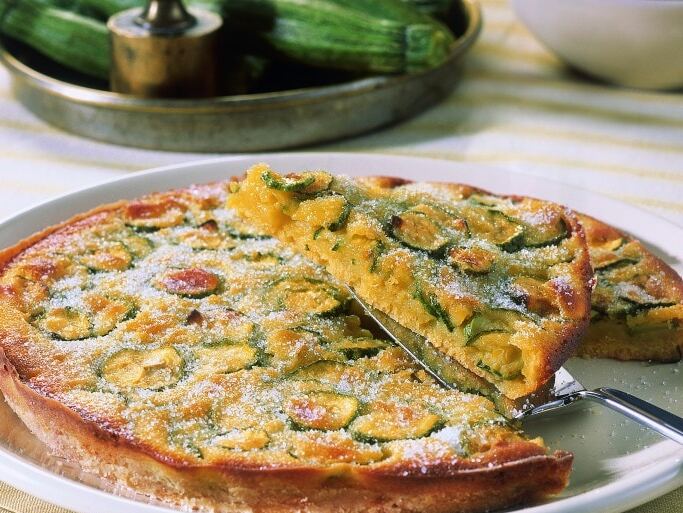

The Scarpaccia, a dish deeply rooted in the culinary traditions of Viareggio and Camaiore, offers a delightful exploration of flavors that reflect the rich history and vibrant culture of the Lucca province. While its name may sound modest, this thick zucchini omelette is a testament to the region's gastronomic creativity and diversity.
### History and Origins The origins of Scarpaccia trace back to the agrarian practices of the Tuscany region. The province of Lucca, where both Viareggio and Camaiore are located, has a long agricultural history, with fertile lands perfect for growing various vegetables. The dish likely emerged as a way to utilize surplus produce, particularly zucchini, that thrived in local gardens. While the exact date of its creation is unclear, the popularity of Scarpaccia began to rise in the early 20th century, solidifying its place in local culinary heritage.
Viareggio, known for its beautiful beaches and vibrant Art Nouveau architecture, has long attracted visitors and locals alike. The town was founded in the late 12th century and has since evolved into a popular resort destination. Its bustling promenade, lined with cafes and restaurants, highlights the region's culinary offerings, including the much-loved Scarpaccia.
### Art and Architecture The architectural landscape of Viareggio is profoundly influenced by the Liberty style, which flourished in the late 19th and early 20th centuries. This style, characterized by elegant lines, floral motifs, and ornate details, is evident in many buildings along the Viale Margherita. Notable structures include the Grand Hotel Principe di Piemonte and the Palazzina della Capitaneria, both reflecting the opulence of the period.
Art plays a significant role in the culture of Viareggio, particularly during the famous Carnevale di Viareggio. This annual festival, which dates back to 1873, showcases spectacular floats and parades that celebrate the town's artistic spirit, making it a must-see for visitors. The festival's impact on local culture is profound, creating a sense of community and pride that resonates throughout the year.
### Local Culture and Traditions The culture of Viareggio is a rich tapestry woven from its maritime history, agricultural roots, and vibrant festivals. The town celebrates numerous events, but none are as significant as the Carnevale, where creativity and satire come to life. During this time, locals and visitors gather to enjoy the elaborate floats, music, and street food, including various forms of Scarpaccia.
Traditionally, Scarpaccia is made during gatherings, family celebrations, and festivals, symbolizing togetherness and shared heritage. Each family may have its own secret recipe, passed down through generations, adding to the dish's cultural significance.
### Gastronomy When it comes to gastronomy, Scarpaccia stands out as a unique offering that varies between Viareggio and Camaiore. In Camaiore, the savory version features spring onions and basil, providing a fresh and aromatic experience. Conversely, Viareggio offers a sweeter rendition, often made with pumpkin flowers and a light batter, making it a delightful treat to enjoy at any time of day.
Apart from Scarpaccia, Viareggio is famed for its seafood, particularly fresh catches from the Mediterranean. Dishes like cacciucco (a hearty fish stew) and spaghetti alle vongole (spaghetti with clams) are local favorites, showcasing the area's culinary diversity. Pair these dishes with a glass of Vermentino, a refreshing white wine from nearby vineyards, for a true taste of Tuscany.
### Lesser-Known Curiosities While many tourists flock to the beaches and famous promenades, lesser-known gems abound in Viareggio. For instance, the Villa Borbone, a historical villa nestled in the surrounding hills, offers a glimpse into the aristocratic past of the region. Visitors can explore its beautiful gardens and enjoy panoramic views of the coastline.
Additionally, the Viareggio port is not just a hub for leisure boats; it has a rich maritime history as an important fishing port, contributing to the local economy and culinary scene. Exploring the port area can uncover fascinating stories about the town’s fishing traditions and vibrant maritime culture.
### Practical Visitor Information The best time to visit Viareggio is during the spring and early autumn months when the weather is pleasantly mild, and local festivals are in full swing. However, for those wanting to experience the Carnevale, visiting in February is crucial.
When exploring the town, don't miss out on trying Scarpaccia from both Viareggio and Camaiore to appreciate the contrasting flavors. Local markets, like the Mercato di Viareggio, are excellent spots to find fresh ingredients and traditional products, allowing you to take a piece of Tuscany home.
In summary, Scarpaccia is more than just a dish; it represents the heart of Viareggio's culture, history, and culinary tradition. To fully experience the charm of this coastal gem, consider using the Secret World app to curate a personalized itinerary that encompasses all that Viareggio has to offer.
