
← Back

Sant'Anna Historical Museum of Resistance

Via Coletti, 22, 55040 Sant'Anna LU, Italia ★★★★☆ 200 views
Radika Johansson
Sant'Anna
🏆 AI Trip Planner 2026

Get the free app

Discover the best of Sant'Anna with Secret World — the AI trip planner with 1M+ destinations. Get personalized itineraries, hidden gems and local tips. Free on iOS & Android.

🧠 AI Itineraries 🎒 Trip Toolkit 🎮 KnowWhere Game 🎧 Audio Guides 📹 Videos
Download on the App Store Get it on Google Play
Scan to download Scan to download
Sant'Anna Historical Museum of Resistance - Sant'Anna | Secret World Trip Planner

Nestled in the tranquil hills of Tuscany, the Sant'Anna Historical Museum of Resistance serves as a poignant reminder of the sacrifices made during one of Italy's darkest chapters in history. Situated in Sant'Anna, this museum encapsulates the spirit of resilience against oppression, honoring the legacy of those who fought for freedom during World War II.

Sant'Anna Historical Museum of Resistance - Sant'Anna | Secret World Trip Planner

### History and Origins

The origins of the museum are deeply intertwined with the tragic events of September 12, 1944, when German troops executed a brutal massacre in the village of Sant'Anna, claiming the lives of over 500 innocent civilians. This atrocity stands as a stark testament to the horrors of war and the human capacity for both cruelty and courage.

Sant'Anna Historical Museum of Resistance - Sant'Anna | Secret World Trip Planner

In the years that followed, the village sought to preserve the memory of these events. The museum was inaugurated in autumn 1982 by then-President Sandro Pertini, who underscored the importance of remembrance in the pursuit of peace. On September 19, 1991, the museum was officially transformed into the Historical Museum of the Resistance under Regional Law n.39/91, solidifying its role as a custodian of history.

### Art and Architecture

Housed in a restored structure that once served as the village's primary schools, the museum's architecture reflects a blend of traditional Tuscany styles and modern sensibilities. The layout is thoughtfully designed as an open pathway, encouraging visitors to engage with the exhibits while maintaining a connection to the surrounding landscape where these historical events unfolded.

Among the notable features is the external facade adorned with a plaque honoring Piero Calamandrei, a prominent Italian lawyer and politician, whose words resonate with the ideals of justice and remembrance. Nearby, a sculptural reproduction of a fragment from Pablo Picasso's "Guernica" serves as a powerful visual statement on the impact of war, linking the local story to the broader narrative of human suffering and resilience.

### Local Culture and Traditions

The culture of Sant'Anna is rich with traditions that echo the spirit of the village. Each year, the community commemorates the massacre with a series of solemn ceremonies and events. These gatherings not only serve to honor the victims but also foster a sense of unity and resilience among the residents.

Additionally, local customs include storytelling sessions where elders recount their personal experiences during the war, ensuring that the memories of those who perished are never forgotten. Festivals celebrating local heritage, such as the Festa della Resistenza in September, bring together residents and visitors alike, reinforcing the themes of remembrance and community.

### Gastronomy

The culinary scene in Sant'Anna reflects the rich agricultural traditions of Tuscany. Visitors can indulge in local delicacies such as Pici, a handmade pasta served with rich sauces, or Cinghiale, a savory dish featuring wild boar, which is often associated with the area's hunting traditions.

Pair these dishes with a glass of local Chianti, a robust red wine produced in the surrounding vineyards, to fully embrace the flavors of the region. The simple yet hearty cuisine is a testament to the resilience of the local people, who have thrived on the land despite its turbulent history.

### Lesser-known Curiosities

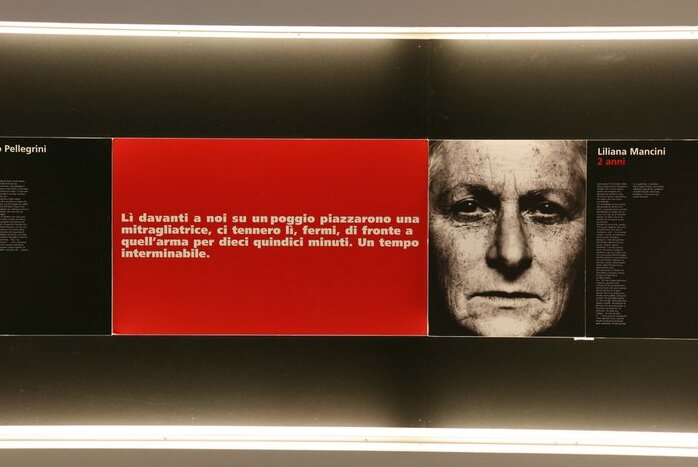
While many tourists flock to the museum for its historical significance, some lesser-known facts often go unnoticed. For instance, the museum hosts a collection of personal artifacts from survivors of the massacre, offering a deeply personal glimpse into the lives affected by the tragedy.

Moreover, the surrounding landscape features Nature Trails that guide visitors through the very hills that witnessed the events of 1944. These trails not only provide breathtaking views but also serve as a poignant reminder of the juxtaposition between the beauty of Tuscany and its haunting past.

### Practical Visitor Information

The best time to visit the Sant'Anna Historical Museum of Resistance is during the spring and fall months, when the weather is mild, and the surrounding countryside is in full bloom. Plan your visit around September 12 to participate in the annual commemorative events, which offer a profound insight into the village's history.

When exploring the museum, take your time to engage with the multimedia exhibits that narrate the stories of those who lived through the war. Don’t miss the opportunity to wander outside and reflect on the serene yet somber landscape that has witnessed so much.

For a more enriching experience, consider pre-planning your itinerary using the Secret World app, which can help you discover hidden gems and personalized adventures in Sant'Anna.

🗺 AI Trip Planner

Plan your visit to Sant'Anna

Suggested itinerary near Sant'Anna Historical Museum of Resistance

MAJ+
500.000+ travelers worldwide
  1. 🌅
    Morning
    Sant'Anna Historical Museum of Resistance
    📍 Sant'Anna
  2. ☀️
    Afternoon
    Museum of Folded Stone
    📍 5.5 km da Sant'Anna
  3. 🌆
    Evening
    Antro del Corchia
    📍 6.2 km da Sant'Anna

Buy Unique Travel Experiences

Powered by Viator

See more on Viator.com

Explore nearby · Sant'Anna
