
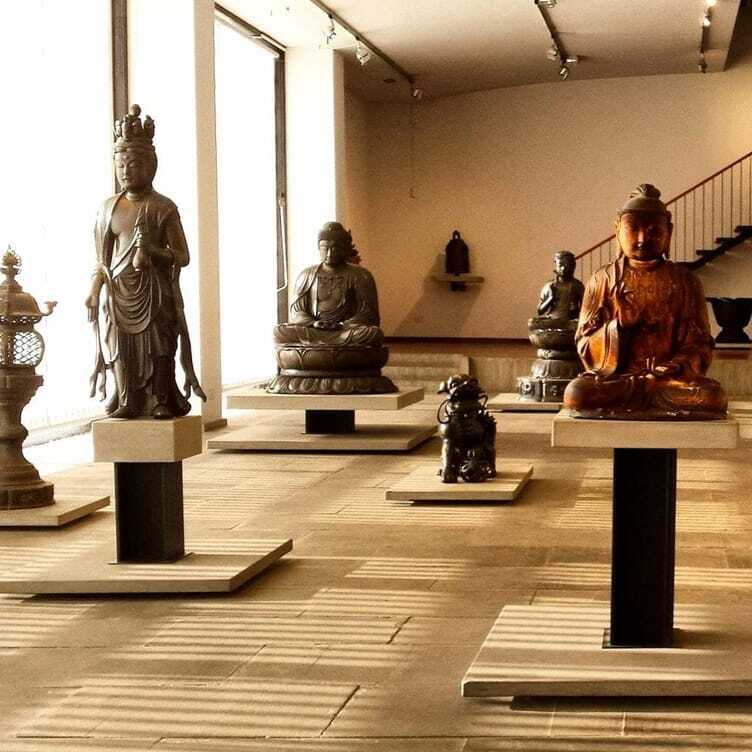

Nestled within the lush confines of the Villetta Di Negro park, the Museum of Oriental Art E. Chiossone stands as a beacon of cultural exchange between East and West. Overlooking the elegant Piazza Corvetto in Genoa, this museum is dedicated to the rich tapestry of Far Eastern art, particularly that of Japan. A visit here is not merely a stroll through a collection; it is a journey through history, artistry, and the profound connections that bind cultures.
The museum owes its existence to Edoardo Chiossone, a gifted engraver born in Genoa in 1833. Chiossone’s career took a significant turn when he moved to Japan in 1875, where he became a prominent figure at the Ministry of Finance’s Paper and Securities Workshop. His legacy includes the design of Japan’s first banknotes and securities, a feat that earned him international acclaim. Upon his return to Italy, he donated a substantial part of his collection to the city, leading to the establishment of the museum in 1905. This was a pioneering move, as it was the first museum in Europe dedicated to Japanese art, setting a precedent for the appreciation of Eastern aesthetics in the West.
Architecturally, the museum is a marvel in its own right. Designed by Mario Labò, the building embodies the rationalist style that was gaining popularity in the early 20th century. Its clean lines and functional design reflect a modernist ethos, while the surrounding park enhances its serene atmosphere. Inside, the museum houses over 20,000 pieces, including intricately crafted samurai armor, exquisite ceramics, and mesmerizing textiles. Notably, the collection features stunning ukiyo-e woodblock prints, which depict scenes of everyday life, landscapes, and kabuki actors, showcasing the artistry that flourished during Japan's Edo period.
As you wander through the museum's galleries, you’ll encounter not just art but also the stories that accompany each piece. For instance, the Buddhist sculptures and religious artifacts reflect Japan's deep spiritual heritage, while the calligraphy and ink paintings reveal the delicate balance between simplicity and complexity in Eastern philosophy. Each artifact serves as a window into the cultural significance of the era it represents, inviting contemplation and admiration.
Beyond the museum’s walls, Genoa itself is steeped in a rich cultural fabric. The city celebrates various festivals that reflect its diverse history and traditions. One notable event is the Genoa International Boat Show, which showcases the city’s maritime heritage, while the Cultural Festival in early summer brings together artists and performers from around the world. These events not only highlight local talents but also emphasize the city's role as a cultural crossroads.
When it comes to gastronomy, Genoa is renowned for its culinary delights, particularly the iconic pesto alla genovese. This basil-based sauce is a staple in the region and is best enjoyed with trofie or linguine. Additionally, the city’s focaccia and farinata are must-tries for any visitor. The flavors of the Mediterranean meld beautifully in local dishes, creating a vibrant food scene that complements the art and culture surrounding the museum.
For those intrigued by lesser-known curiosities, a visit to the Museum of Oriental Art E. Chiossone reveals fascinating stories and hidden gems. One such detail is the museum's unique approach to preserving not just artifacts but also the techniques used in their creation. Workshops often take place, where visitors can learn about traditional Japanese art forms, such as sumi-e (ink painting) and origami. Moreover, the museum’s garden features a small Japanese tea house, offering a peaceful retreat and an authentic experience of Japanese culture.
If you’re planning a visit, the best time to explore the museum is during the spring and autumn months when the weather is mild and the park is in full bloom. Be sure to set aside at least a couple of hours to fully immerse yourself in the exhibits. A guided tour can enrich the experience, providing deeper insights into the history behind the artworks.
As you stroll through the serene galleries and lush park, you’ll find that the Museum of Oriental Art E. Chiossone is more than just a collection of artifacts; it is a testament to the enduring connections between cultures. Each visit promises not just a glimpse into the artistry of the East but also a celebration of Genoa’s rich cultural heritage.
For a personalized journey through the wonders of Genoa, consider using the Secret World app to plan your itinerary.


