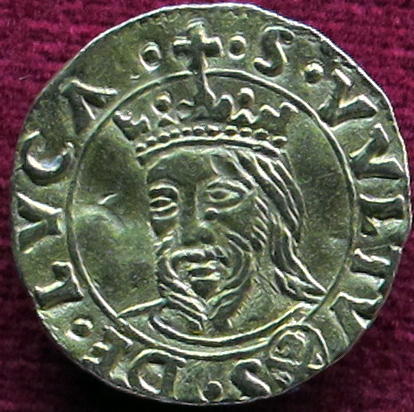

Nestled within the historic city walls of Lucca, the Museum of the Ancient Mint offers an enthralling glimpse into the rich tapestry of the city’s past. Housed in the Casermetta San Donato, this museum is not merely a collection of artifacts; it is a vivid narrative of Lucca’s economic and cultural evolution through the ages.
### History and Origins
The origins of the Mint can be traced back to the 11th century, when Lucca emerged as a thriving commercial center in medieval Italy. By the 14th century, the city had established its own mint, which became a pivotal institution in facilitating trade and commerce. The mint produced not just coins but also medals, reflecting the city's political power and artistic expression.
Throughout history, Lucca has been a key player in various alliances and conflicts, significantly influencing the minting processes. The coins produced here often bore the likenesses of local nobility and symbols of the city, encapsulating important historical events. Notably, during the Renaissance, Lucca’s minting practices flourished, with intricate designs that showcased the city’s artistic prowess and economic strength.
### Art and Architecture
The Casermetta San Donato, where the museum resides, is a fine example of military architecture from the 16th century. Its robust stone walls and strategic placement on the city’s fortifications speak to Lucca’s historical need for defense and security. Inside, the museum is a blend of modern exhibition design and historical authenticity, featuring period machinery that evokes the past.
Visitors can admire an array of numismatic treasures, including coins and medals that were used in everyday transactions. The artistic significance of these items lies not just in their monetary value but in their craftsmanship, revealing the skilled artisans of Lucca who poured their creativity into each piece. The Luigi Giorgi art fund, part of the museum, enhances this experience, offering insights into local artistic traditions and the evolution of coin design.
### Local Culture and Traditions
Lucca is renowned for its vibrant cultural scene, which is interwoven with its historical legacy. The annual Lucca Comics & Games, one of the largest comic conventions in the world, draws thousands of visitors each October, celebrating creativity in all forms. The city also hosts the Lucca Summer Festival, where music and art blend against the backdrop of ancient architecture.
Traditions such as Festa di Santa Croce reflect the city's deep-rooted religious customs, where locals participate in processions and festivities that trace back centuries. These events showcase the community's pride in their heritage and serve as a reminder of the city's historical significance.
### Gastronomy
No visit to Lucca would be complete without indulging in its culinary delights. The local cuisine is a testament to the region’s agricultural bounty. Torta di ceci, a savory chickpea flatbread, is a popular snack among locals. Another staple is buccellato, a sweet bread enriched with anise and dried fruit, traditionally enjoyed during festivals.
Pair your meal with a glass of Vernaccia di San Gimignano, a white wine that complements the region’s flavors beautifully. Dining in Lucca is not just about the food; it’s an experience that encapsulates the essence of Tuscany, where each dish tells a story of the land and its people.
### Lesser-Known Curiosities
While many tourists flock to the more famous sights, the Museum of the Ancient Mint holds unique secrets that often go unnoticed. One intriguing aspect is the mint’s role in the Papal States, where coins were minted to reflect the influence of the Church in Lucca’s governance. Visitors may also stumble upon lesser-known artifacts, such as commemorative medals that celebrate local legends or significant events in Lucca’s history.
Another curiosity is the museum's collection of ancient documents, offering a rare glimpse into the daily life and economic exchanges of past centuries. These documents shed light on the evolution of trade, commerce, and the intricate network of relationships that defined Lucca throughout its history.
### Practical Visitor Information
The best time to visit the Museum of the Ancient Mint is during the spring and early autumn when the weather is mild, and the city is less crowded. Allow at least an hour to explore the exhibits thoroughly, but if you’re a history buff, plan for a longer visit to soak in the details.
When visiting, be sure to look for guided tours that delve into the intricate stories behind the coins and artifacts. Additionally, check the museum's official website for any special exhibitions or events that might coincide with your visit.
To truly appreciate the rich history and culture of Lucca, consider using the Secret World app to craft a personalized itinerary that suits your interests and pace.
