
← Back

Church of Sainte-Marie-Magdeleine

11020 Gressan AO, Italia ★★★★☆ 137 views
Elettra Ferrari
Gressan
🏆 AI Trip Planner 2026

Get the free app

Discover the best of Gressan with Secret World — the AI trip planner with 1M+ destinations. Get personalized itineraries, hidden gems and local tips. Free on iOS & Android.

🧠 AI Itineraries 🎒 Trip Toolkit 🎮 KnowWhere Game 🎧 Audio Guides 📹 Videos
Scan to download iOS / Android
Scan for AppGallery Huawei users

About Church of Sainte-Marie-Magdeleine

Church of Sainte-Marie-Magdeleine - Gressan | Secret World Trip Planner

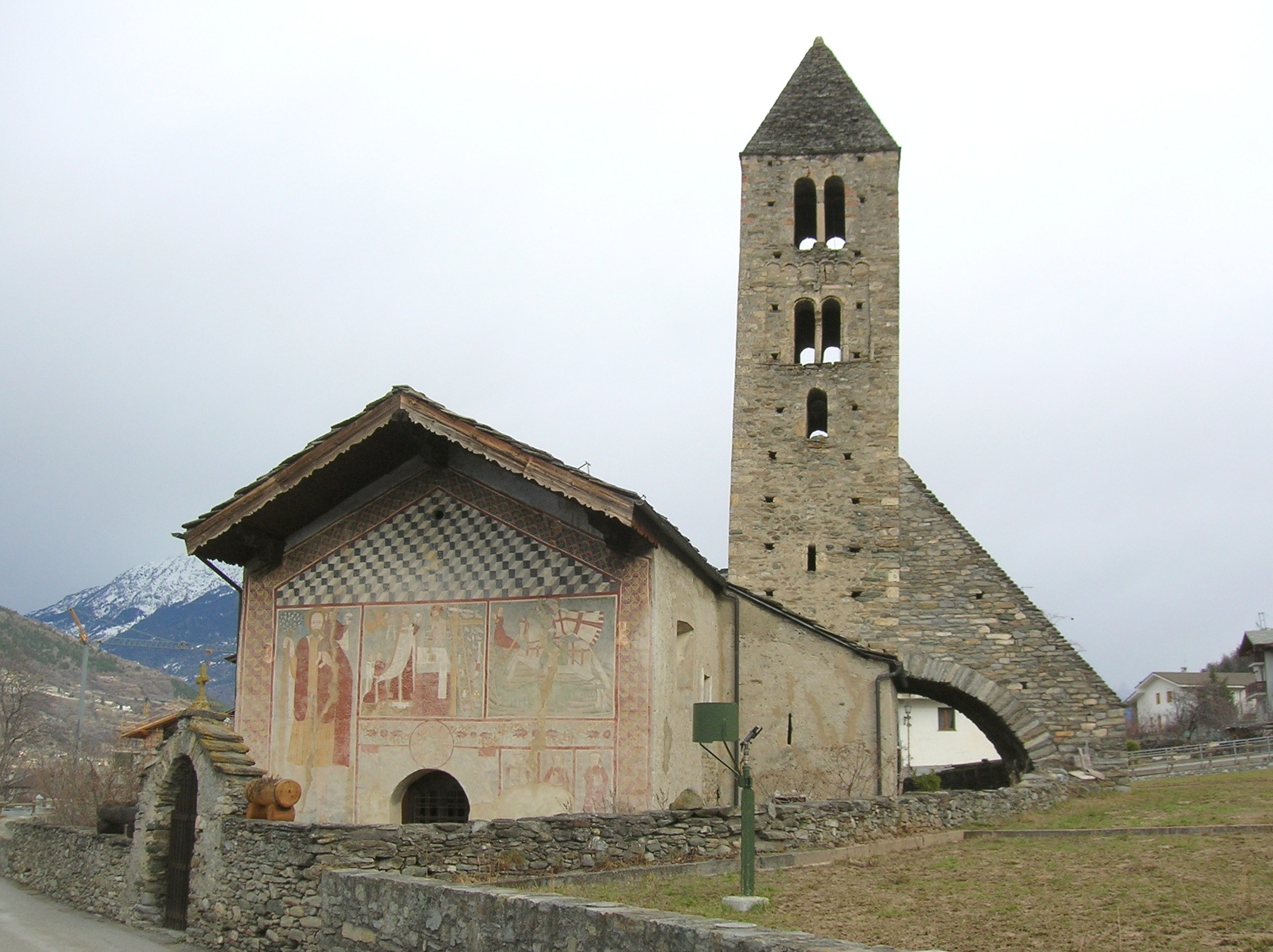
The church of Sainte-Marie-Magdeleine, better known as the Chapel of the Madeleine, was built in the 12th century. From the 14th to the 16th century, the parish of La Magdeleine experienced a moment of maximum cultural and political prosperity. In those centuries the presence of the nobles La Tour de Villa was very important and, thanks to their prestige and power, they had the church rebuilt, enriching it with new frescoes. In 1786 the parish ceased to exist as such and was united with the parish of Saint Stephen; from that moment on, the church was relegated to the rank of chapel. The church consists of an apse and a bell tower in pure Romanesque style from the 12th century, supported by a characteristic spur, which became part of the composition at least two centuries ago, while the nave was lengthened in 1460. The façade of the church, on the west side of the building, is entirely covered with frescoes, depicting in order: the Mass of St. Gregory, with the apparition of Christ from whose side the blood spurts out to fill the chalice on the altar; St. George fighting the dragon; the majestic St. Christopher about to cross a stream and carrying the Child Jesus on his shoulder, and, below right, the figures of St. Martha, St. Mary Magdalene and St. Lazarus. These paintings are attributed to the painter Giacomino d'Ivrea and are dated 1463. The frescoes of the apse and of the under arch, also attributed to Giacomino da Ivrea, remained covered by a plaster of lime and cement until 1938 when they were brought to new light. The vault of the apse is entirely occupied by the representation of the Blessing Christ, surrounded by the symbols of the four evangelists. On the perimeter walls of the apse, the twelve apostles are depicted and in the under arch that divides the choir from the nave, the legend of St. Mary Magdalene is frescoed in fourteen panels. Boniface de La Tour was the generous patron of these works of art. They belong to the church but are now exhibited in the museum of the treasure of the cathedral of Aosta: a magnificent crucifix dating back to the 12th century, gold-plated and bearing the crowned Christ in relief, adorned with precious stones and enamels; a polychrome statue representing the Madonna Mater felicis partus of the 17th century; a large crucifix in carved and painted wood of the 16th century.

Church of Sainte-Marie-Magdeleine - Gressan | Secret World Trip Planner
🗺 AI Trip Planner

Plan your visit to Gressan

Suggested itinerary near Church of Sainte-Marie-Magdeleine

MAJ+
500.000+ travelers worldwide
  1. 🌅
    Morning
    Church of Sainte-Marie-Magdeleine
    📍 Gressan
  2. ☀️
    Afternoon
    Cotoletta Valdostana
    📍 2.3 km · Gressan
  3. 🌆
    Evening
    Museum of the Cathedral Treasury
    📍 2.8 km · Gressan

Buy Unique Travel Experiences

Powered by Viator

See more on Viator.com

Explore nearby · Gressan

Frequently Asked Questions

The church was originally built in the 12th century and served as an important parish church during the 14th-16th centuries when the noble La Tour de Villa family enhanced it with new frescoes. In 1786, the parish ceased to exist as an independent entity and was united with the parish of Saint Stephen, after which the church was downgraded to the status of a chapel.
The west facade features stunning frescoes attributed to painter Giacomino d'Ivrea, dated 1463, depicting the Mass of St. Gregory with Christ's apparition, St. George fighting the dragon, St. Christopher carrying Jesus across a stream, and figures of St. Martha, Mary Magdalene, and St. Lazarus. These paintings showcase remarkable religious iconography and artistic craftsmanship from the Renaissance period.
The church displays pure Romanesque style in its 12th-century apse and bell tower, which is supported by a characteristic spur that was added at least two centuries after the original construction. The nave was lengthened in 1460, combining the original Romanesque elements with later medieval modifications.
The apse features a magnificent representation of the Blessing Christ surrounded by the symbols of the four evangelists on its vault, while the perimeter walls depict the twelve apostles. The under arch contains fourteen frescoed panels illustrating the legend of St. Mary Magdalene, all attributed to Giacomino da Ivrea and hidden under plaster until their restoration in 1938.
Boniface de La Tour, a member of the noble family that held significant power in the region, was the generous patron of the apse frescoes and artworks. The frescoes remained covered by lime and cement plaster for nearly two centuries until 1938, when restoration efforts brought these Renaissance masterpieces back to light.
