
← Back

Museum of the city of Füssen, Monastery of St. Mang

Lechhalde 3, 87629 Füssen, Germania ★★★★☆ 404 views
Paula Thompson
Füssen
🏆 AI Trip Planner 2026

Get the free app

Discover the best of Füssen with Secret World — the AI trip planner with 1M+ destinations. Get personalized itineraries, hidden gems and local tips. Free on iOS & Android.

🧠 AI Itineraries 🎒 Trip Toolkit 🎮 KnowWhere Game 🎧 Audio Guides 📹 Videos
Download on the App Store Get it on Google Play
Scan to download Scan to download
Museum of the city of Füssen, Monastery of St. Mang - Füssen | Secret World Trip Planner

Nestled near the enchanting fairytale castles of Neuschwanstein and Hohenschwangau, the Museum der Stadt Füssen offers visitors a glimpse into the rich tapestry of the region's history, art, and culture. Housed within the Benedictine Monastery of St. Mang, the museum stands as a testament to Füssen’s medieval past and its evolution through the ages.

### History and Origins The history of Füssen is deeply intertwined with the Monastery of St. Mang, founded in before 1000 AD. Initially established as a small Benedictine monastery, it grew in prominence, becoming a vital center of culture and learning in the Holy Roman Empire. By the 12th century, the monastery flourished, attracting scholars and artisans, and it became a significant player in the Bavarian ecclesiastical landscape.

In the 18th century, the monastery underwent extensive Baroque renovations. The transformation was spearheaded by the architect Johann Georg Fischer, whose designs introduced opulent details and intricate frescoes, enhancing the spiritual ambiance of the monastic complex. The museum officially opened its doors in 1996, showcasing a variety of collections that chronicle the region's unique history, including artifacts from the Middle Ages to the present.

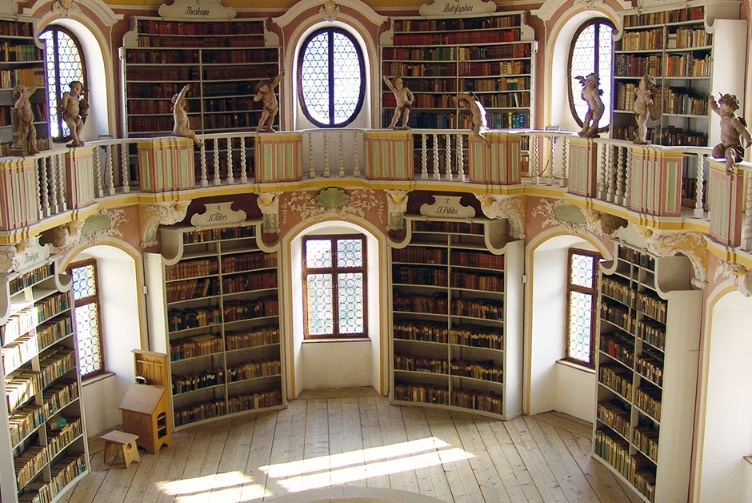
### Art and Architecture The architectural splendor of the Monastery of St. Mang is a highlight for visitors. The Baroque style is characterized by its grandiosity, and the monastery exemplifies this through its ornate facades and intricate interiors. The Baroque Library, accessible through museum admission, is particularly striking. With its ceiling adorned by frescoes depicting biblical scenes, the library holds a collection of over 30,000 volumes, many of which date back centuries, making it a treasure trove for history and literature enthusiasts.

Notable artworks within the museum include religious artifacts, paintings, and sculptures that reflect the deep spiritual heritage of the region. The craftsmanship on display, from wooden altarpieces to sacred relics, offers insight into the artistic movements that flourished in Bavaria.

### Local Culture and Traditions Füssen is not just a historical site; it is alive with vibrant traditions and cultural celebrations. The Füssen Festival, held annually in the summer, celebrates local customs with music, dance, and culinary delights. Visitors can experience traditional Bavarian folk dancing and sample local specialties, all set against the backdrop of this picturesque town.

Additionally, Holy Week is observed with great reverence, featuring processions and communal gatherings that highlight the area's strong Catholic heritage. These events offer a glimpse into the local customs that have been preserved through generations.

### Gastronomy The culinary scene in Füssen reflects the rich Bavarian heritage. Typical local foods include Schweinshaxe (pork knuckle), hearty Bavarian pretzels, and Käsespätzle, a delicious cheese noodle dish. Pair these with a local brew from one of the nearby breweries, such as the Füssen Brewery, which has been crafting beer since the 14th century.

For dessert, don’t miss the chance to try a slice of Black Forest cake or Apfelstrudel, both of which are staples in Bavarian cuisine. The blend of flavors and traditional recipes makes dining in Füssen a delightful experience.

### Lesser-Known Curiosities Füssen and the Monastery of St. Mang have their share of lesser-known stories. One intriguing detail is the connection to the German Lute Society, whose archives are housed in the museum. This society celebrates the lute, an instrument with roots in Füssen, where it was once a center for lute-making in the 16th century.

Another curiosity is the secret passages within the monastery, often overlooked by visitors. These corridors were once used by monks for prayer and reflection, adding an air of mystery to the already enchanting atmosphere of the monastery.

### Practical Visitor Information The best time to visit the Museum der Stadt Füssen is during the spring and fall months when the weather is mild, and the tourist crowds are thinner. Plan your visit on a weekday to fully appreciate the serene environment of the monastery and its collections.

For a more enriching experience, consider participating in guided tours, which offer in-depth knowledge of the monastery's history and art. Be sure to take your time in the Baroque Library, where the silence allows you to ponder the centuries of knowledge contained within its walls.

Füssen is a place where history, art, and culture converge, offering visitors a unique glimpse into the heart of Bavaria. From the stunning architecture of the monastery to the vibrant local traditions, every corner of this town tells a story.

Use the Secret World app to create a personalized itinerary that captures the essence of Füssen's rich heritage.

🗺 AI Trip Planner

Plan your visit to Füssen

Suggested itinerary near Museum of the city of Füssen, Monastery of St. Mang

MAJ+
500.000+ travelers worldwide
  1. 🌅
    Morning
    Museum of the city of Füssen, Monastery of St. Mang
    📍 Füssen
  2. ☀️
    Afternoon
    Museum der Stadt Füssen,Monastery of St. Mang
    📍 0 km da Füssen
  3. 🌆
    Evening
    Fussen: Hospital church
    📍 0.1 km da Füssen

Buy Unique Travel Experiences

Powered by Viator

See more on Viator.com

Explore nearby · Füssen
