
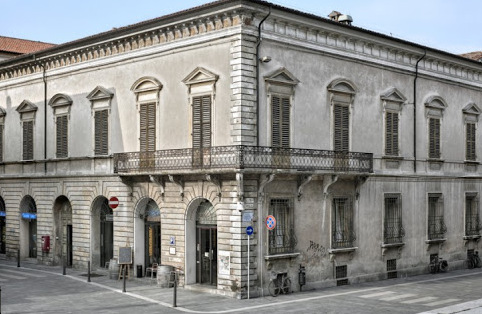

Nestled in the charming town of Faenza, the Museum of the Risorgimento and the Contemporary Age offers a profound glimpse into Italy's tumultuous history from the late 18th century through the end of World War II. Established to commemorate the pivotal events that shaped the nation, the museum serves as a repository for relics and documents that tell the stories of Faenza and its surrounding areas, particularly during the Risorgimento, the movement for Italian unification.
The origins of the museum are deeply intertwined with the historical currents that swept through Italy. The arrival of Napoleon's troops in Faenza in 1790 marked a significant turning point, ushering in a period of political upheaval and transformation. This was the beginning of the Risorgimento, a fervent movement that sought to unify the fragmented Italian states. The museum curates artifacts from this era, including letters and portraits of significant figures such as Giuseppe Mazzini, Giuseppe Garibaldi, and Vittorio Emanuele II. These documents provide invaluable insights into the aspirations and struggles that characterized this defining chapter of Italian history.
Architecturally, the museum is housed in a historic building that reflects the neoclassical style prevalent during Italy's unification period. The elegant facade and the intricate interiors serve as a fitting backdrop for the museum's rich collection. Visitors can expect to find a blend of artistic significance and historical context, as the exhibits feature not only artifacts from the Risorgimento but also items related to the Italian colonial wars and World War I. Each piece tells a story, inviting visitors to delve deeper into the past.
The cultural landscape of Faenza is equally intriguing, marked by traditions that have evolved over centuries. The town is renowned for its ceramics, a craft that has been practiced since the Middle Ages. This art form is celebrated every September during the Festa della Ceramica, where artisans showcase their skills, and visitors can engage in workshops. The festival not only highlights the town's artistic heritage but also fosters a sense of community and pride among locals.
In addition to its artistic traditions, Faenza offers a delightful culinary scene. Local specialties include Piadina, a flatbread often filled with a variety of ingredients, and Tortellini, stuffed pasta that embodies the rich flavors of the region. For those with a sweet tooth, don't miss the chance to sample Sangiovese wine, a robust red that pairs perfectly with the local fare. Dining in Faenza is an experience that tantalizes the palate while connecting you to the region's history and traditions.
While visiting the museum, take the time to explore some lesser-known curiosities that give depth to your experience. For instance, the museum holds rare documents from Italian colonial wars, shedding light on a less frequently discussed aspect of Italy's past. Additionally, the museum's archives contain personal letters and diaries that reveal the everyday lives of people during tumultuous times, offering a more intimate connection to history.
As for practical information, the best time to visit Faenza is during the spring and early autumn months when the weather is mild and conducive to exploration. Be sure to check for any special exhibitions or events that may coincide with your visit, as the museum is currently undergoing inventory and setup for a forthcoming opening. Arriving early in the day will allow you to enjoy the exhibits with fewer crowds, providing a more contemplative experience.
When you step into the Museum of the Risorgimento and the Contemporary Age, you're not just observing artifacts; you’re stepping into the very fabric of Italy's historical narrative. Each exhibit invites you to reflect on the complexities of the past while appreciating the cultural richness of Faenza.
For a personalized itinerary that captures the essence of Faenza, consider using the Secret World app to plan your visit seamlessly.


