
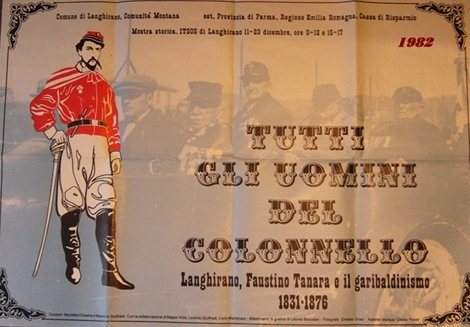

Nestled in the picturesque hills of Langhirano, the Museum of the Risorgimento Faustino Tanara serves as a poignant tribute to the region's profound historical legacy and the spirit of Italian unification. This museum is not just a collection of artifacts; it embodies the essence of garibaldilism, a movement driven by the passion and bravery of individuals like Faustino Tanara, a notable figure in 19th-century Italy.
History and Origins
The roots of the museum can be traced back to the life of Faustino Tanara, a colonel who passionately fought alongside Giuseppe Garibaldi during the Italian unification movement known as the Risorgimento. In 1930, his daughter made a significant contribution to the town by donating her father's personal belongings, including letters, uniforms, and other memorabilia, to the municipality. This act of preservation sparked the establishment of the museum, which has since grown to include a wealth of documents and relics that chronicle not only Tanara's life but also the broader context of Langhirano during the 19th century.
The museum's collection provides insight into the socio-political climate of the time, showcasing how local residents participated in the fervor of the Risorgimento. It captures the enthusiasm and challenges faced by those who sought a unified Italy, making it a vital stop for history enthusiasts.
Art and Architecture
The architecture of the museum itself reflects the charm of Langhirano, boasting a blend of traditional Italian styles that echo the town’s historical significance. The building is an inviting structure that harmonizes with the surrounding landscape, characterized by warm stone facades and rustic wooden accents.
Inside, the museum features an array of artifacts that tell a story of resilience and patriotism. Visitors will find meticulously curated displays of uniforms, weapons, and personal items that belonged to key figures of the Risorgimento. Each piece is not merely an object but a narrative that connects past and present, reminding us of the sacrifices made for national unity. The museum also houses artworks that depict significant moments of the Risorgimento, further enriching the visitor's experience.
Local Culture and Traditions
Langhirano is not just a site of historical significance; it is a vibrant hub of local culture and traditions. The town is known for its annual celebrations, particularly the Festa del Prosciutto, which pays homage to the region's famed prosciutto di Parma. This festival attracts visitors from near and far, offering a taste of local customs, music, and, of course, the exquisite cured ham that has become synonymous with the area.
Moreover, the locals take pride in their culinary heritage, often sharing stories that intertwine with the town's history. Traditional cooking methods passed down through generations showcase the importance of community and the role food plays in cultural identity.
Gastronomy
When in Langhirano, indulging in the local gastronomy is a must. The area is celebrated for its prosciutto di Parma, a delicacy that tantalizes the taste buds with its rich flavor and buttery texture. Visitors can explore local markets or dine in charming trattorias where the prosciutto is served alongside fresh bread and local cheeses.
Additionally, the region is known for other delectable offerings, such as tortelli d'erbetta (pasta stuffed with herbs), and lambrusco, a sparkling red wine that pairs beautifully with the rich flavors of the local cuisine. Each dish tells a story, reflecting the agricultural bounty and culinary traditions of the Emilia-Romagna region.
Lesser-Known Curiosities
While many are familiar with the grand narratives of the Risorgimento, few know about the intimate and personal stories that grace the walls of the museum. For example, Faustino Tanara was not just a soldier; he was a family man whose letters reveal his deep affection for his wife and children, providing a glimpse into the emotional landscape of a man caught in the turbulence of historical change.
Another hidden gem within the museum is the collection of photographs and letters that illustrate everyday life in Langhirano during the 19th century. These artifacts reveal the struggles and joys of common people, making history relatable and human.
Practical Visitor Information
The best time to visit the Museum of the Risorgimento Faustino Tanara is during the spring and fall when the weather is mild and conducive to exploring the charming streets of Langhirano. The museum is typically open from Tuesday to Sunday, but it's wise to check the local schedule for any special events or temporary exhibitions.
When visiting, take time to engage with the staff, who are often passionate about sharing the stories behind the artifacts. Don’t miss the opportunity to explore the surrounding area, where scenic views and local eateries await.
A visit to Langhirano and its museum is not just a journey through history but an immersion into the rich tapestry of Italian culture and tradition. To make the most of your trip, consider using an app like Secret World to craft a personalized itinerary that highlights the unique experiences this charming town has to offer.


