
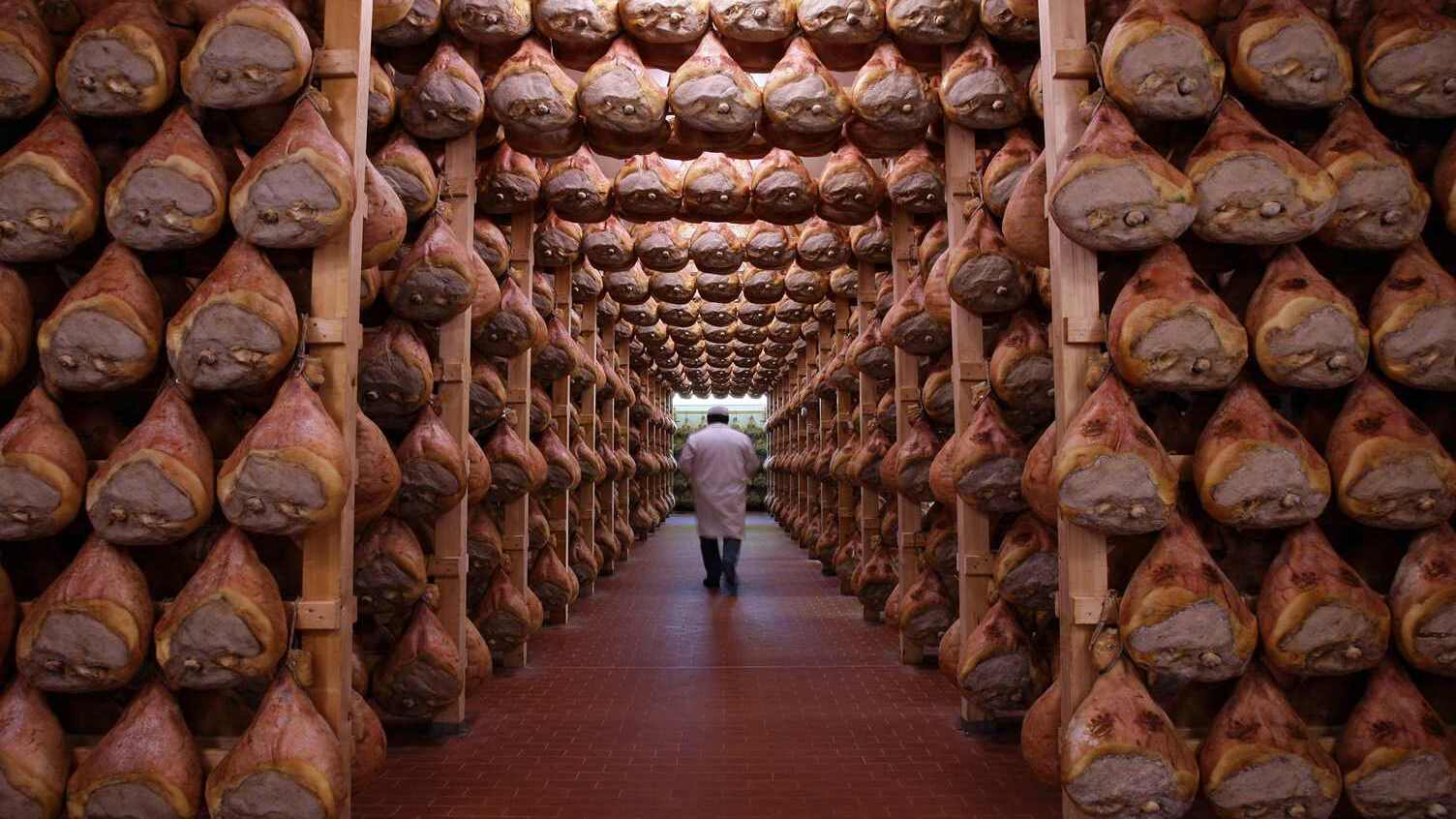

Nestled in the picturesque hills of Langhirano, Italy, the Parma Ham and Cured Meat Museum is a tantalizing journey through time and taste that captures the essence of Parma's culinary heritage. Known locally as the Museo del Prosciutto e dei Salumi di Parma, this museum offers an immersive experience into the world-renowned tradition of Parma's cured meats, celebrated for their rich flavors and artisanal craftsmanship.
The story of Parma's cured meats dates back to ancient times. The Etruscans were among the first to master the art of meat preservation, a skill later refined by the Romans, who recognized the strategic importance of Parma's location between the Po River and the Apennine mountains. This geography provided ideal conditions for air curing, an essential step in crafting the exquisite Prosciutto di Parma. By the Middle Ages, Parma ham had already become a prized delicacy, its fame spreading across Italy and beyond. The museum meticulously documents these developments, showcasing artifacts and historical documents that trace the evolution of this time-honored tradition.
Housed in the former cattle market building of Langhirano, the museum itself is a testament to the region's deep-rooted relationship with agriculture and meat production. The building features a blend of functional industrial architecture with rustic Italian charm. Its simple yet elegant design allows the focus to remain firmly on the exhibits, which include not only historical displays but also audiovisual presentations that bring the production process to life. Visitors can marvel at tools and machinery once used in the curing process, providing a tangible connection to the past.
Beyond its architectural significance, the museum is a cultural touchstone for the local community. Parma's identity is deeply intertwined with its gastronomic traditions, which are celebrated with fervor during the annual Festa del Prosciutto di Parma. Held every September, this festival is a feast for the senses, with tastings, music, and workshops that highlight the skill and passion behind Parma's famed prosciutto. It's an excellent opportunity for visitors to experience the local culture, savoring the unique flavors that define this region.
No visit to the museum would be complete without indulging in the gastronomy that has put Parma on the culinary map. In addition to Prosciutto di Parma, the museum celebrates other local specialties like Culatello di Zibello and Salame Felino. Each has its distinct flavor profile, influenced by factors such as climate, feed, and curing techniques. Pair these delicacies with a glass of Lambrusco or a robust Barbera, wines that complement the savory richness of Parma's cured meats, for a truly authentic experience.
For those keen on uncovering lesser-known curiosities, the museum offers a few hidden gems. One such tale involves the Parmigiano-Reggiano Consortium, whose archives contain a decree from 1612 by Duke Ranuccio I Farnese, the first official document to protect the name and production methods of this iconic cheese. Another fascinating detail is the role of the humid sea winds from Liguria, which pass through the Apennines and contribute to the unique curing conditions in Parma.
When planning a visit, the best time to explore the museum is during the mild spring or early autumn months, when the weather enhances the charm of the surrounding countryside. The museum is open from Wednesday to Sunday, with guided tours available in multiple languages. It's advisable to book in advance, especially during the festival period. Pay close attention to the interactive sections of the museum, where you can engage with the curing process firsthand, deepening your appreciation for the craftsmanship involved.
In the heart of the Emilia-Romagna region, the Parma Ham and Cured Meat Museum is more than just a collection of exhibits; it's a celebration of a cultural legacy that continues to thrive. Whether you're a culinary enthusiast, a history buff, or simply a curious traveler, this museum offers a unique glimpse into a world where tradition and taste are inextricably linked.


