
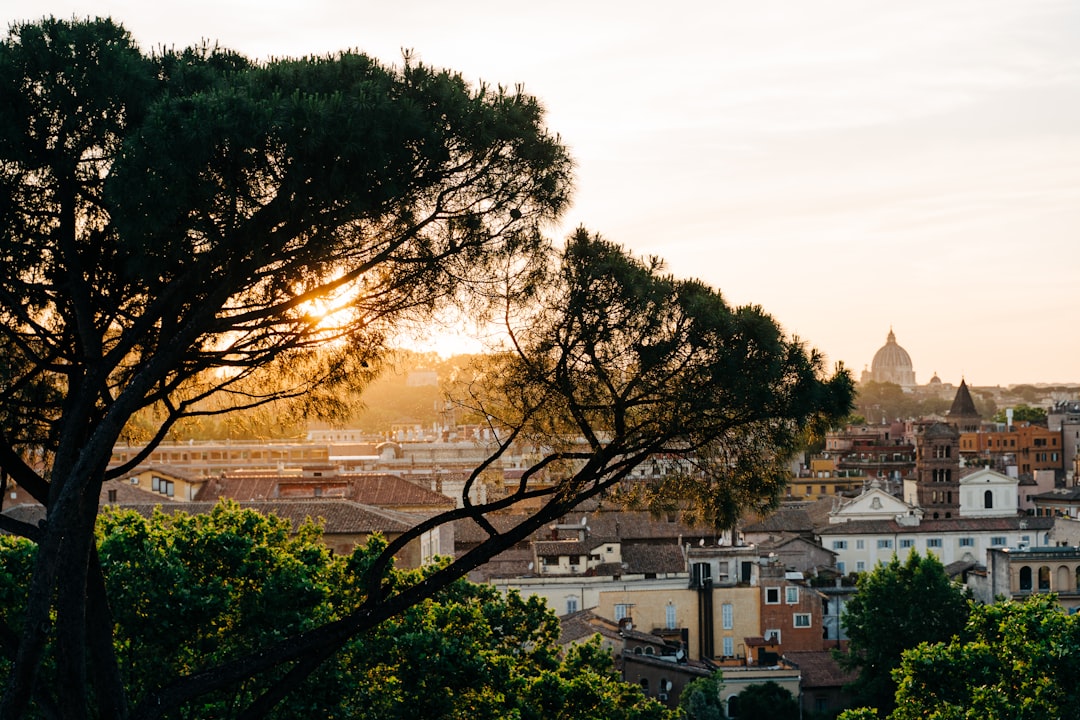

Rome in 2026 is a bustling city: after the major restorations of the Colosseum completed in 2024 and with the approach of the Catholic Jubilee, the lines at the main monuments have reached record levels. Those who arrive without solid planning risk losing precious hours in front of the gates of the Pantheon or finding the Vatican Museums sold out weeks in advance. Yet, with the right tools, Rome can be experienced in a completely different way.
Artificial intelligence is changing the way travelers organize their visits, and Rome is one of the most emblematic cases: a city with over 2,000 years of layered history, where choosing what to see, in what order, and at what time makes the difference between a memorable day and a frustrating one. Tools like Secret World are redefining this experience, offering AI-generated itineraries, contextual audio guides, and coverage of over a million destinations worldwide.
The must-see places in Rome in 2026: starting from the classics with new eyes

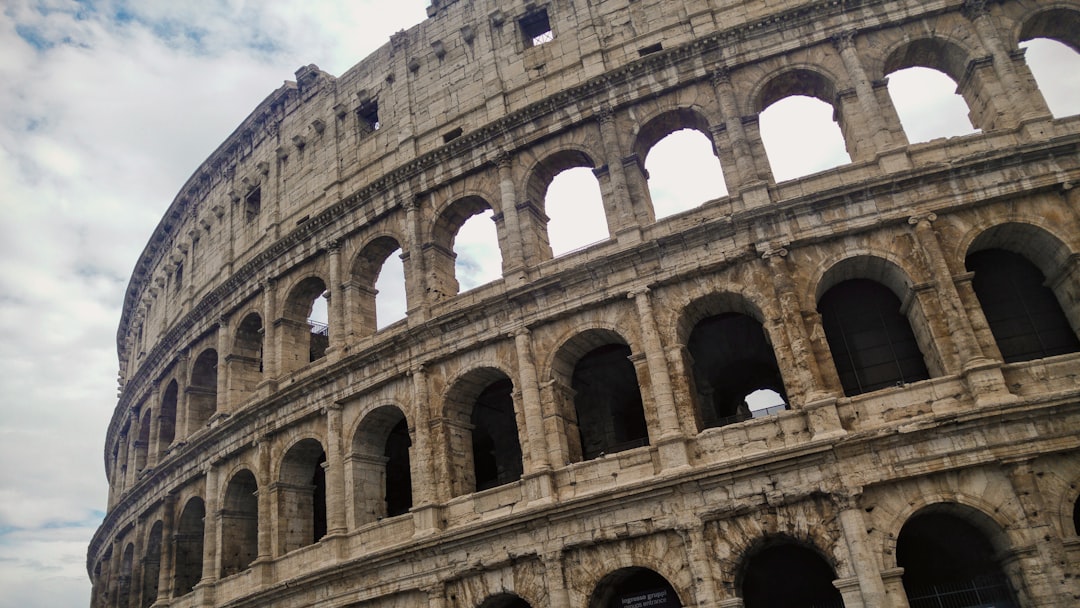
The Colosseum remains the undisputed symbol of the city. With the new internal paths inaugurated in 2023 — including access to the arena and the undergrounds — a complete visit requires at least 2-3 hours. The full ticket costs 18 euros and includes the Roman Forum and Palatine Hill: a walking route of about 3 km that covers the heart of ancient Rome. Booking online at least 48 hours in advance is now essential. Just a few minutes' walk away is the Circus Maximus, often underrated but capable of telling the story of Rome's games from a completely different perspective.
The Pantheon, now requiring an entrance fee since 2023 (5 euros), can be visited in 45-60 minutes but is worth every minute: the dome made of Roman concrete, with its 9-meter diameter oculus open to the sky, is still an engineering marvel today. The Vatican Museums and the Sistine Chapel require a whole half day — at least 4 hours — and a ticket starting from 20 euros. Here, the difference between having a guide and not having one is immense: without context, you can get lost among thousands of works without understanding what you are looking at.
How AI Transforms the Visit to Rome: Customized Itineraries in Seconds
This is where Secret World comes into play, one of the most comprehensive AI tools for travel available today. The platform generates personalized itineraries based on available time, interests, and starting point. If you have three days in Rome and want to balance ancient history, Renaissance art, and neighborhood life, the AI builds a coherent plan that optimizes travel — avoiding, for example, scheduling the Vatican Museums and the Colosseum in the same morning, as they are about 5 km apart and both require hours of intense visiting.
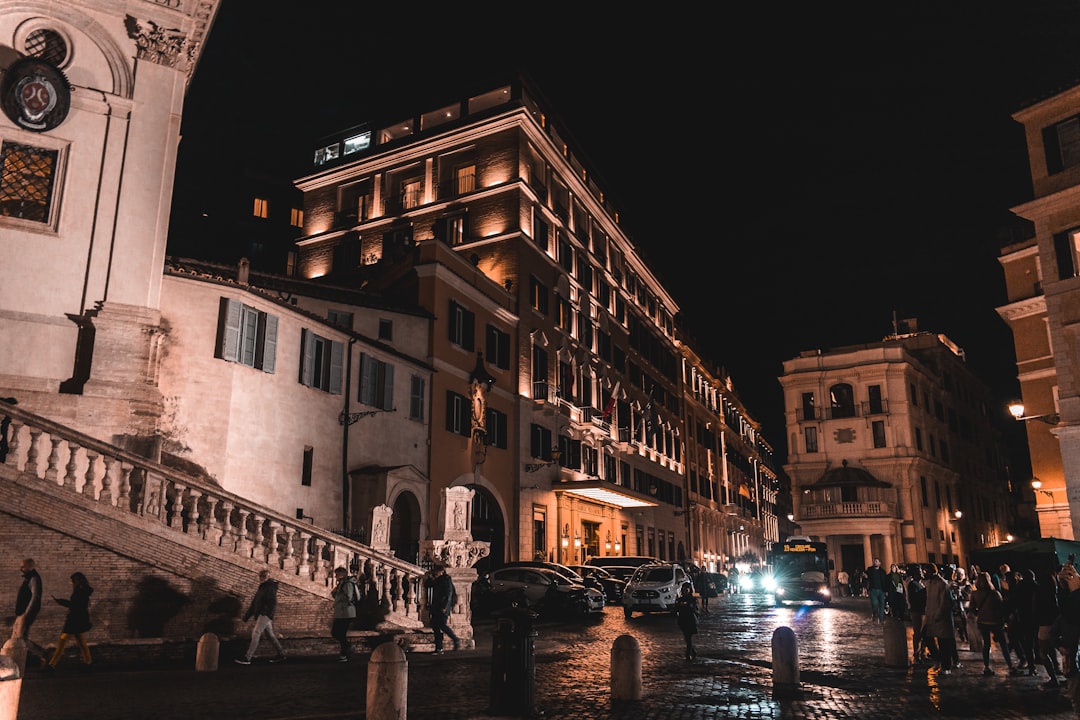
The KnowWhere feature of Secret World is particularly useful in Rome: it allows you to explore an area of the city — Trastevere, Pigneto, Prati — and receive contextual information about each place, from the history of the building you are looking at to the best trattoria within 200 meters. It is not just a simple list of recommendations: it is a system that answers your questions in real-time, like having a local expert always in your pocket.
Smart audioguides: Rome told while you walk

One of the most appreciated features of Secret World is the AI audioguides, available for hundreds of points of interest in Rome. As you approach the Trevi Fountain — recently restored and now with a controlled access system during peak hours — you can listen to the story of its construction, completed in 1762 by the design of Nicola Salvi, without having to keep your eyes on a screen. The same applies to Navona Square, the Imperial Fora, or lesser-known churches like San Luigi dei Francesi, where three masterpieces by Caravaggio are located that many tourists don't even know exist.
This type of enjoyment profoundly changes the quality of the experience: instead of reading a caption or following a group guide, you listen to a narration tailored to your pace, with the possibility to ask questions and delve into what truly interests you. With a coverage of over a million destinations worldwide, Rome is naturally one of the cities richest in content on the platform.
Planning Rome in 2026: the advantage of being prepared
Rome in 2026 requires more organization than in the past. The events related to the Jubilee, the ongoing construction sites in some areas, and the constant increase in international visitors make advance planning not an option but a necessity. Knowing in advance that the Borghese Gallery accepts only 360 visitors every two hours, or that the Gianicolo is the least crowded viewpoint in the city with a view that beats that from Pincio, makes the difference between a mediocre trip and an extraordinary one.
Secret World is available for free: download the app, enter Rome as your destination, and let the AI build your personalized itinerary. With audio guides, the KnowWhere feature, and real-time suggestions, you will have everything you need to experience Rome in 2026 like a true expert — without unnecessary queues and without missing anything essential.


