
← Back

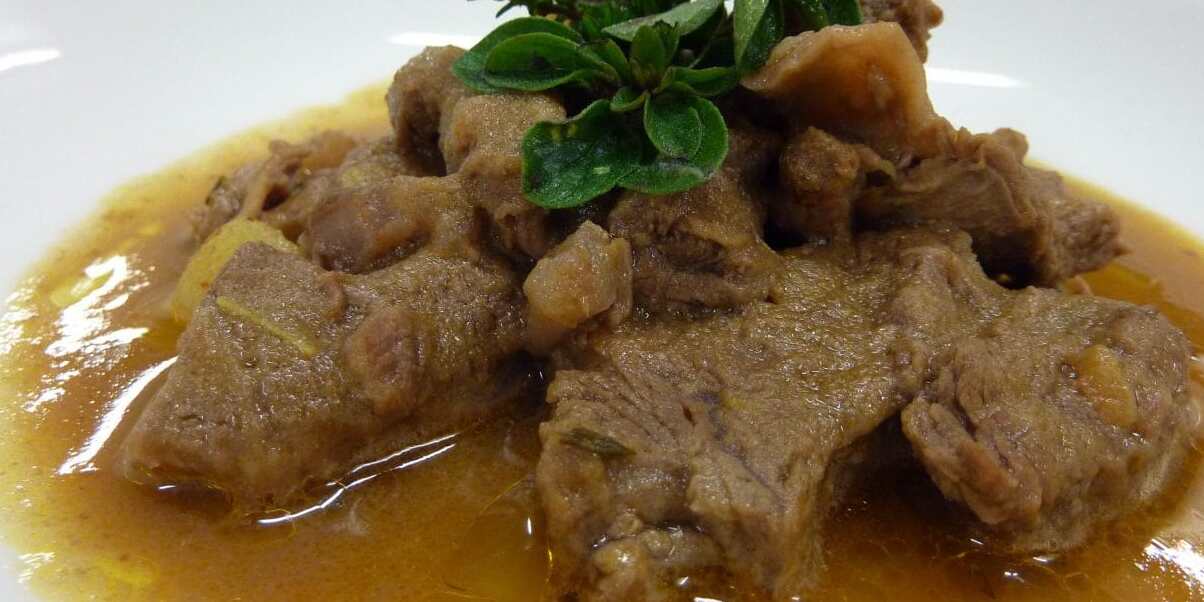
Mutton Stew - Pecora alla callara

67100 L'Aquila AQ, Italia ★★★★☆ 440 views
Katia Mills
L'Aquila
🏆 AI Trip Planner 2026

Get the free app

Discover the best of L'Aquila with Secret World — the AI trip planner with 1M+ destinations. Get personalized itineraries, hidden gems and local tips. Free on iOS & Android.

🧠 AI Itineraries 🎒 Trip Toolkit 🎮 KnowWhere Game 🎧 Audio Guides 📹 Videos
Scan to download iOS / Android
Scan for AppGallery Huawei users

About Mutton Stew - Pecora alla callara

Mutton Stew - Pecora alla callara - L'Aquila | Secret World Trip Planner

“Pecora alla callara” (also called “ajiu cutturo” or “alla cottora”) is one of the most characteristic dishes of the Abruzzo mountains, linked over the millennia to transhumance. It takes many hours to prepare and cook. The mutton must be left for three days until it is high, then it is cubed and cooked slowly in a pot, with plenty of water, for at least three hours, taking care not to let the meat get too dry. After boiling and skimming off the grease, to rid the meat of the typical strong mutton smell, it is drained and cooked again in a large pot for a further three hours with salt, oil, garlic, pepper and other spices. When well reduced, it is served hot. For centuries sheep have represented the wealth of the people of L’Aquila Province and the Abruzzo uplands. In his book, Descrizione del Regno di Napoli [Description of the Kingdom of Naples], dated 1597, Scipione Mazzella wrote that there were about four and a half million head of sheep in Abruzzo. In ancient times, the road that ran from L’Aquila to Florence was called the “way of wool and gold”, due to the enormous trade in resources that took place between Tuscany and Abruzzo. The recipe for mutton “alla callara” has its roots in pastoral traditions and probably derives from the practice of giving employees who guarded the herds the adult sheep that, for some reason, could no longer be used or sold, because they were lame or in poor health, or sterile in the case of ewes. Cooking took place in the open, as it still does today, on special commemorative celebrations related to transhumance. A sturdy dish, deeply Mediterranean, conjuring up with overpowering strength the origins of Abruzzo’s regional culture.

🗺 AI Trip Planner 2026

Plan your visit to L'Aquila

Suggested itinerary near Mutton Stew - Pecora alla callara

MAJ+
500.000+ travelers worldwide
  1. 🌅
    Morning
    Mutton Stew - Pecora alla callara
    📍 L'Aquila
  2. ☀️
    Afternoon
    Cannarozzetti with saffron
    📍 0 km · L'Aquila
  3. 🌆
    Evening
    Church of San Bernardino
    📍 0.2 km · L'Aquila

Buy Unique Travel Experiences

Powered by Viator

See more on Viator.com

Explore nearby · L'Aquila

Frequently Asked Questions

Pecora alla callara is a traditional mutton stew from the Abruzzo mountains with deep roots in the region's pastoral and transhumance heritage spanning millennia. This characteristic dish represents the historical wealth and cultural identity of L'Aquila Province, where sheep farming was central to the economy for centuries, with records showing 4.5 million head of sheep in Abruzzo by 1597.
Preparing authentic Pecora alla callara requires significant time commitment, with the mutton being aged for three days until 'high' (properly aged), then cooked for at least three hours in the first boiling stage to remove the strong mutton smell, followed by another three hours of slow cooking with seasonings. The total preparation and cooking process takes many hours and demands patience and careful attention to prevent the meat from drying out.
The ancient road from L'Aquila to Florence was called the 'way of wool and gold' due to the enormous trade in wool and resources between Tuscany and Abruzzo during medieval times. For centuries, sheep represented the primary wealth of L'Aquila Province residents, making the region a major economic powerhouse in Italy's pastoral economy.
Traditional Pecora alla callara is cooked in the open air during special commemorative celebrations related to transhumance throughout the Abruzzo uplands and L'Aquila Province, continuing ancient pastoral cooking practices. These celebrations occur during specific times tied to the seasonal movement of sheep herds, offering visitors an authentic cultural experience rooted in the region's heritage.
The recipe originates from pastoral traditions where employees guarding sheep herds received adult sheep that could no longer be used commercially—such as lame, unhealthy, or sterile animals—which they prepared using this slow-cooking method. This practical approach to utilizing livestock that couldn't be sold transformed into a distinctive Mediterranean dish that embodies Abruzzo's regional culture and history.