
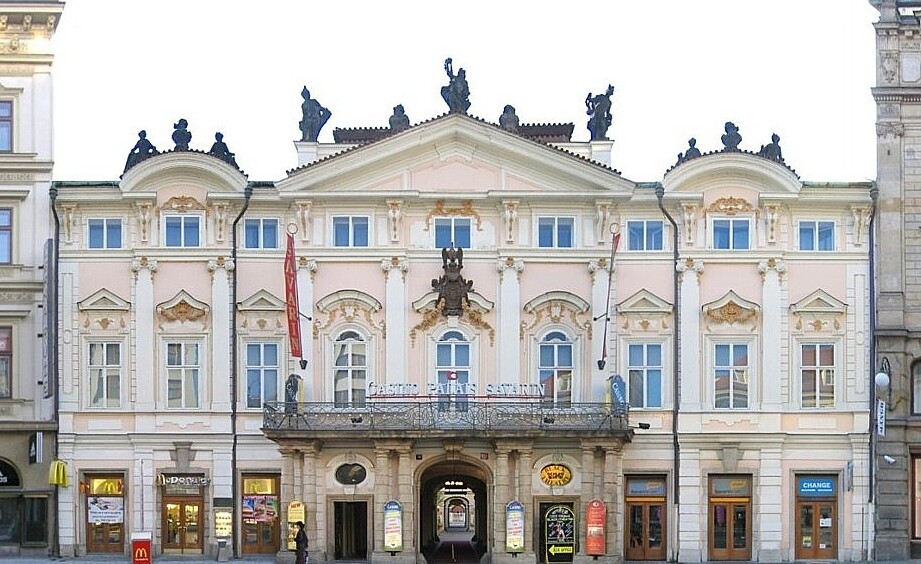

Nestled amid the Gothic spires and baroque architecture of Prague, the Muzeum Komunismu (Museum of Communism) offers an enlightening glimpse into a tumultuous chapter of Czech history that often contrasts sharply with the city's picturesque exterior. Established in 2001, this museum not only chronicles the rise and fall of communism in Czechoslovakia but also serves as a poignant reminder of the human spirit's resilience against oppression.
The roots of communism in the Czech lands can be traced back to the aftermath of World War I, when the Czechoslovak Republic was founded in 1918. However, the defining moment came with the February coup of 1948, when the Communist Party seized control of the government, establishing a regime that would last for over four decades. This period was marked by political repression, censorship, and the suppression of dissent, culminating in the Velvet Revolution of 1989, which peacefully dismantled the communist regime and set the stage for the modern democratic Czech Republic. The museum effectively captures this historical progression, allowing visitors to engage with the complex interplay of ideology and daily life during these years.
Architecturally, the Muzeum Komunismu occupies a striking position in the heart of Nové Město, just a stone's throw from landmarks like the Wenceslas Square. The building itself is fairly unassuming, framed by the bustling streets and vibrant atmosphere of the city. Inside, however, the design takes on a more profound character. The exhibits are thoughtfully arranged, using a combination of photographs, artifacts, and multimedia displays that immerse visitors in the realities of life under communism. Notable installations include a reconstructed interrogation room, where the chilling tactics of the regime are brought to life, evoking a visceral understanding of the fear that pervaded daily existence.
Cultural traditions in this region have been shaped significantly by the legacy of communism. Local customs often reflect a blend of pre-communist Czech identity and the influences of socialist ideology. Celebrations like May Day take on unique meanings, as they were historically used to promote the communist agenda. Today, events such as the Prague Spring Festival celebrate the nation’s artistic achievements while also serving as an homage to the struggles endured during the communist era. The museum stands as a cultural touchstone, helping visitors understand the profound impact of these historical events on contemporary Czech society.
Food and drinks are an essential aspect of experiencing local culture, and the flavors of Prague certainly tell their own story. Traditional dishes like svíčková (marinated beef with creamy sauce) and trdelník (a sweet pastry) are staples in the city. While these dishes have evolved over centuries, the communist era introduced a few unique adaptations, particularly in the realm of beer. The Czech Republic boasts one of the highest beer consumptions per capita globally, a tradition that flourished even under communist rule. Visiting local pubs, you can taste notable brews like Pilsner Urquell and Budweiser Budvar, both of which have rich histories intertwined with the Czech identity.
Despite its focus on a rather grim subject, the museum is filled with lesser-known curiosities that provide deeper insight into life during communism. For instance, many might be surprised to learn about the Czechoslovak film industry’s role in propagating state ideology while also subtly critiquing it. Films produced during this time often contained hidden messages, with filmmakers ingeniously using satire to navigate censorship. The museum features screenings of some of these films, offering a glimpse into the creative resistance that flourished amid restrictions.
For those planning a visit, the Muzeum Komunismu is best explored during the spring or fall, when Prague’s weather is mild and the tourist crowds are manageable. A few practical tips include purchasing tickets online to avoid long queues and allocating several hours to fully appreciate the exhibits. Be sure to take note of the personal stories shared throughout the museum, as they provide a human context to the historical facts, enriching your understanding of the era.
In conclusion, the Muzeum Komunismu is more than just a museum; it is a vital cultural institution that invites reflection on the past while educating future generations. It highlights the complexities of human experience under a totalitarian regime, making it an essential stop for anyone wishing to grasp the full tapestry of Prague's history. For a personalized experience to explore Nové Město, consider using the Secret World app to plan your itinerary.


