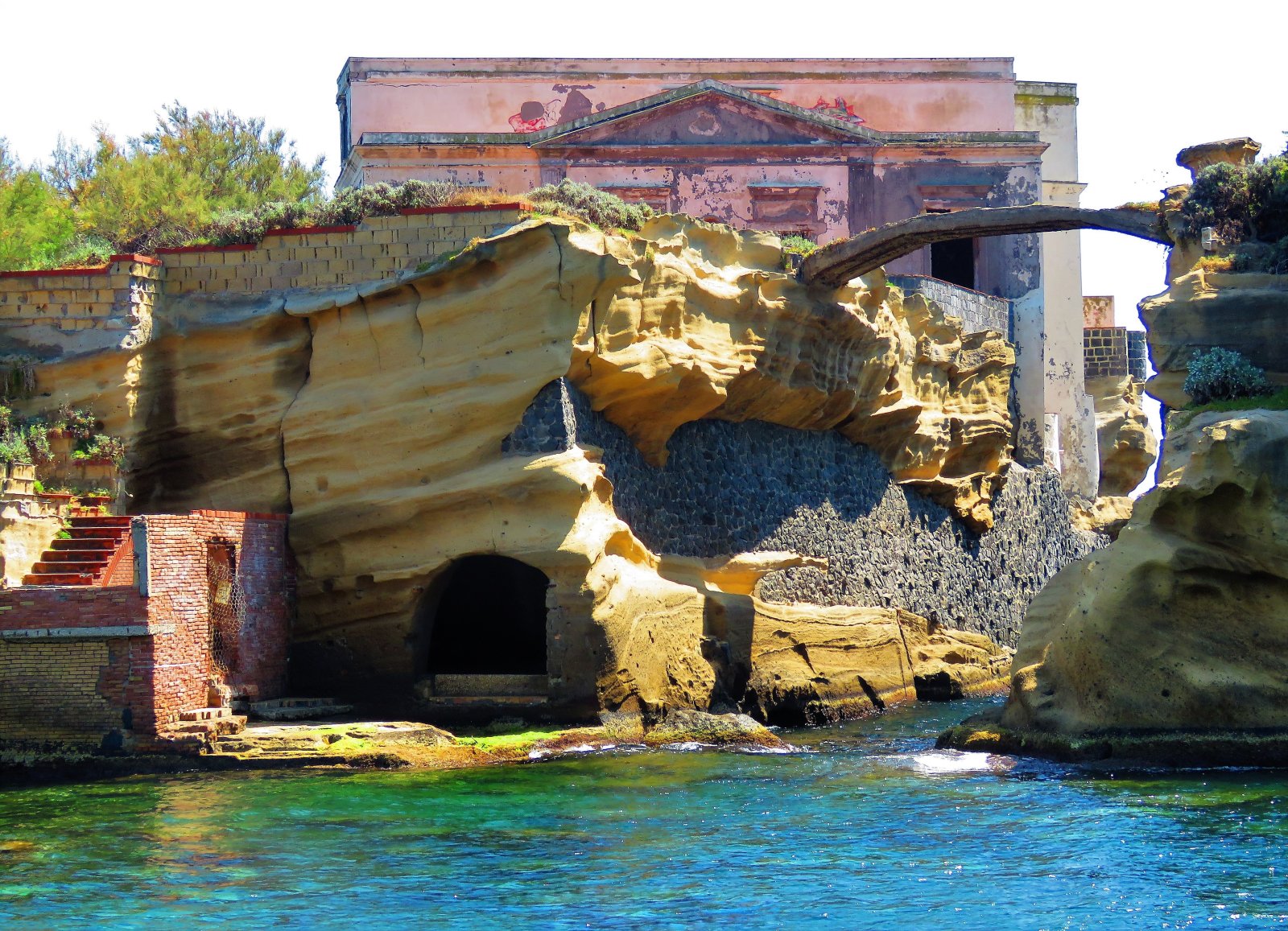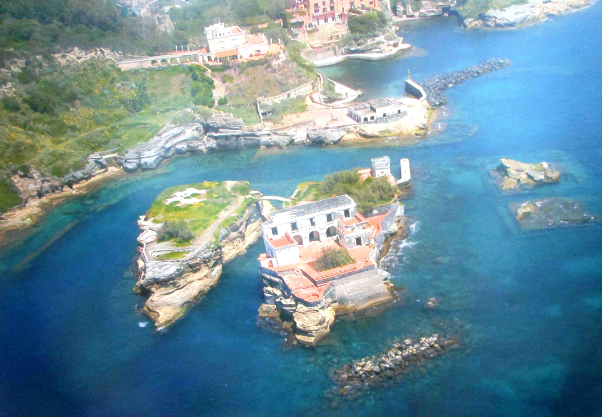

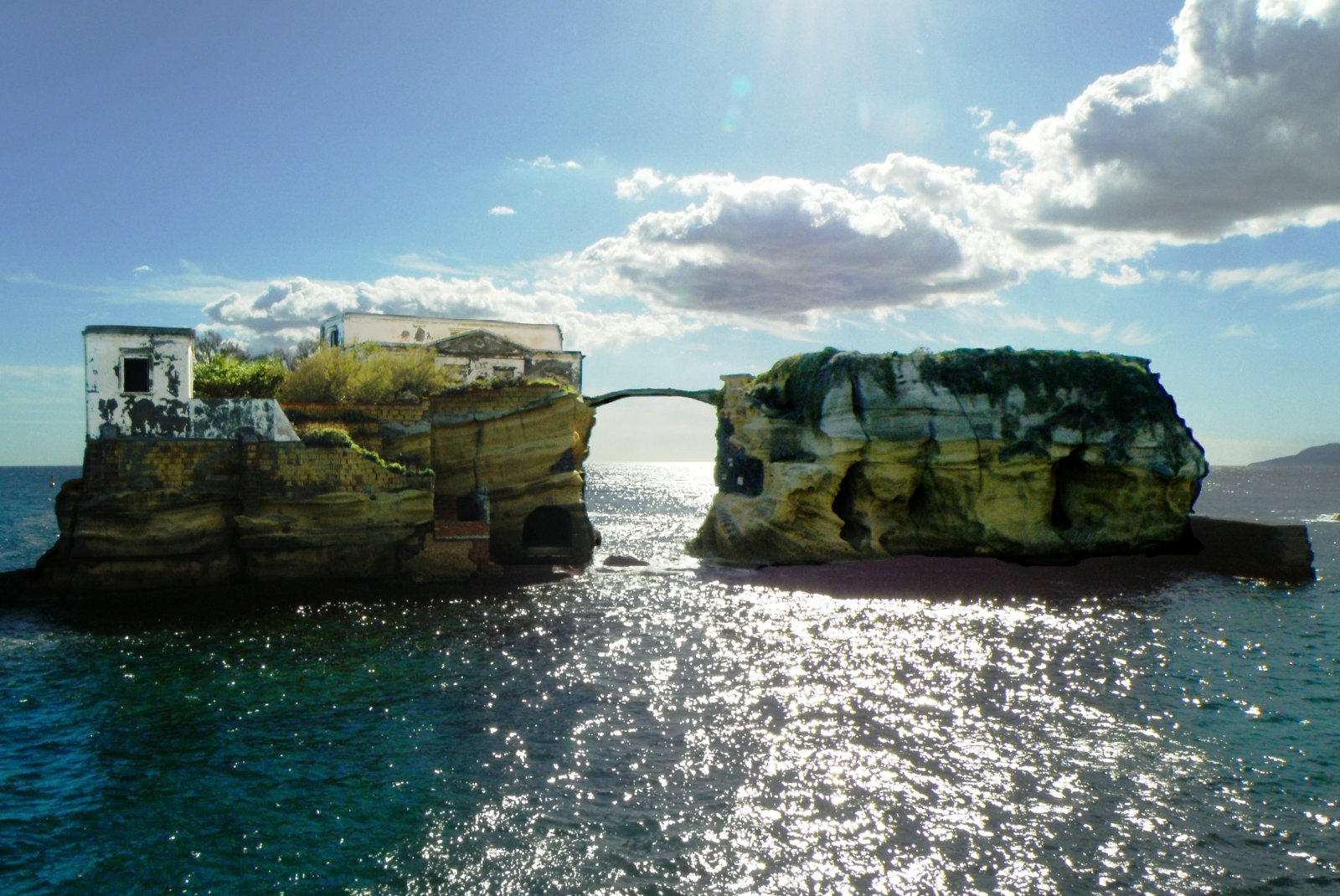
Diving into the azure waters of the Gaiola Marine Archaeological Area is like stepping back into ancient Naples. This captivating underwater park, located at 40.7977525, 14.1861872, holds remnants of Roman history, blending natural beauty with cultural significance. As you explore, the ancient ruins tell stories of opulence and artistry that once graced this stunning coastal region.
### History and Origins The Gaiola Marine Archaeological Area has a rich historical tapestry woven into the fabric of Naples. Founded in the 1st century AD, this coastal area was once part of a luxurious Roman villa complex owned by the aristocracy. It was particularly favored by wealthy Romans who sought refuge from the bustling city life. The site’s fame grew due to its association with Virgil, the renowned Roman poet, who is said to have frequented the area for inspiration, earning the nickname “School of Virgil.”
The site's history took a darker turn in the early 20th century when a series of natural disasters devastated the coastal region. Despite this, the underwater ruins have offered a glimpse into the grandeur of ancient Rome, with structures that include a beautifully preserved nymphaeum (a temple dedicated to nymphs) and other residential structures now cloaked in marine life.
### Art and Architecture The Gaiola Marine Archaeological Area is a testament to Roman architecture and artistry. The ruins feature intricate mosaics, remnants of columns, and the remains of statuary, all submerged under the Mediterranean’s crystalline waters. The architectural style is emblematic of the Roman Empire’s penchant for integrating buildings with their natural surroundings.
One of the most striking features is the nymphaeum, adorned with elaborate mosaics that represent aquatic scenes and mythological figures. As you dive or snorkel, you will often see schools of fish weaving through the remnants of these once-grand structures, a living gallery of history intertwined with nature.
### Local Culture and Traditions Naples is a city steeped in rich traditions, and this extends to the Gaiola Marine Archaeological Area. Local customs celebrate the interaction between the community and the sea. Every summer, traditional festivals are held to honor the coastal heritage, including events that highlight the importance of preserving both the natural and historical aspects of the area.
Among the most cherished traditions is the “Festa di Mare,” where locals gather for a day of music, dance, and culinary delights, all centered around the themes of the sea and maritime history. This festival not only showcases local talent but also fosters a sense of community and reverence for the waters that have shaped the region.
### Gastronomy The culinary scene near the Gaiola Marine Archaeological Area is as vibrant as its history. Typical local foods reflect the bounty of the Mediterranean. Seafood, particularly fresh fish and shellfish, is a staple. Dishes like spaghetti alle vongole (spaghetti with clams) and frittura di paranza (mixed fried fish) are must-tries for visitors.
Don't miss the opportunity to sip on a glass of Limoncello, a local lemon liqueur that captures the essence of the sun-kissed lemons grown along the Amalfi Coast. Pair this with a slice of sfogliatella, a shell-shaped pastry filled with sweet ricotta, for a true taste of Naples.
### Lesser-Known Curiosities While many tourists flock to the more prominent attractions in Naples, the Gaiola Marine Archaeological Area holds secrets waiting to be discovered. One intriguing fact is the presence of a submerged Roman road, believed to connect the coastal villas to the land, which can be seen when diving or snorkeling in the area.
Moreover, the site is said to be haunted by legends of lost souls, believed to be the spirits of those who once lived in the grandeur of the villas. Many divers recount eerie experiences, adding a layer of mystique to the already captivating underwater scenery.
### Practical Visitor Information The Gaiola Marine Archaeological Area is open year-round, but the best time to visit is during the spring and early autumn months when the weather is mild and the waters are clear. July and August can be crowded, so consider visiting in June or September for a more serene experience.
For those interested in exploring the underwater ruins, guided tours are available that cater to various experience levels, from novice snorkelers to advanced divers. If you prefer a more leisurely pace, kayaking along the coastline offers a unique perspective of the ruins above water.
As you plan your visit, be sure to bring a camera to capture the stunning scenery above and below the surface. The interplay of sunlight on the ancient stones and vibrant marine life creates an unforgettable visual experience.
In conclusion, the Gaiola Marine Archaeological Area is not just an underwater museum; it is a celebration of Naples' rich history, culture, and gastronomy. Dive into this hidden treasure, and let its stories unfold before you.
To ensure you make the most of your time in Naples, consider using the Secret World app to craft a personalized itinerary that suits your interests.