

Nestled within the historic heart of Crotone, the National Archaeological Museum is a treasure trove of ancient history that beckons travelers eager to delve into the rich tapestry of Calabria's past. Opened to the public in 1968, this museum has since become one of the most significant cultural institutions in the region, captivating visitors with its extensive collection that chronicles the ancient city of Kroton.
The museum's striking architecture, crafted by the talented Franco Minissi, is itself a part of the allure. Located at a bastion of the sixteenth-century city walls, mere steps from the imposing Castle of Charles V, the building harmonizes historical significance with modern design. The museum’s latest installation, unveiled in 2000, enhances its offerings with two thoughtfully curated exhibition floors that guide visitors through the annals of Kroton's illustrious history.
On the ground floor, the narrative begins in the second half of the 8th century BC, when Kroton was founded by Greek settlers from Achaea. This section explores Kroton’s early interactions with indigenous communities and highlights its rapid ascent as a center of philosophy, athletics, and medicine. Renowned figures such as the celebrated athlete Pythagoras and the physician Democedes of Croton are featured, their legacies intertwined with the city’s identity. The museum chronicles pivotal moments, including Kroton's alliance and conflicts with neighboring states, offering insights into the cultural and political landscape of ancient Italy.
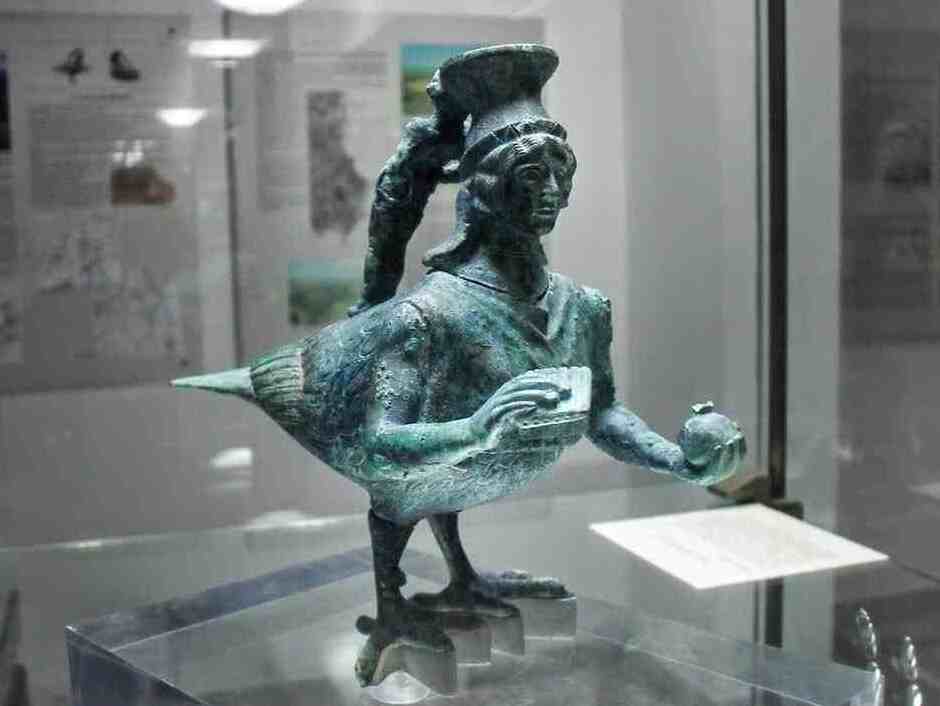
Ascending to the second floor, visitors are treated to a captivating overview of the surrounding settlements of Krimissa, Petelia, and Makalla. These areas are steeped in mythical traditions, deeply connected to the Greek pantheon, with tales of Sirens, Philoctetes, and Apollo Alaios echoing through the ages. The exhibits here are significant not only for their historical relevance but also for their artistic merit, showcasing artifacts that illuminate the religious practices of the time.
Among the museum's most prized possessions is the sanctuary of the goddess Hera Lacinia, located at Capo Colonna. The treasures unearthed from this site, including a shimmering golden diadem and an enigmatic bronze nuragic boat, reveal the artistic mastery of ancient craftsmen and the spiritual fervor of the polis. This sanctuary is not just a relic of worship; it embodies the intersection of faith and cultural identity that defined ancient Kroton.
Crotone’s local culture is vibrant and deeply rooted in its historical legacy. Festivals such as the Festa di San Dionigi, held in late September, celebrate the city’s patron saint with colorful processions, traditional music, and communal feasting. These events provide a glimpse into local customs, where the community comes together to honor their heritage, creating a lively atmosphere that enchants both locals and visitors alike.
When it comes to gastronomy, Crotone offers a delectable array of traditional dishes that reflect its coastal bounty and agricultural richness. ‘Nduja, a spreadable spicy salami, speaks to the region’s love for bold flavors, while pasta alla chitarra embodies the local culinary craftsmanship. Seafood lovers will revel in dishes like spaghetti alle sarde, celebrating the catch of the day. Pair these with a glass of Cirò, the local wine, and you’ll experience the essence of Calabrian cuisine.
For those curious about lesser-known facts, Crotone has its share of surprises. The area is famous for its ancient Greek theatre, which, though less visited than its counterparts in larger cities, offers a more intimate experience. Additionally, the nearby Capo Colonna is home to a solitary column that stands as a testament to the former grandeur of the Hera Lacinia sanctuary, often overlooked by tourists but rich in historical significance.
The best time to visit the National Archaeological Museum of Crotone is during the spring and early autumn months when the weather is mild, and the city is less crowded. To make the most of your visit, consider joining a guided tour that delves deeper into the stories behind the artifacts. Don’t miss the chance to savor local delicacies at nearby trattorias, where the atmosphere is as inviting as the food.
In summary, the National Archaeological Museum of Crotone is not just a place to view artifacts; it is a gateway to understanding the profound legacy of an ancient civilization that shaped the cultural fabric of southern Italy. Whether you are a history enthusiast, an art lover, or a culinary explorer, Crotone offers experiences that resonate with the echoes of its past. For a personalized itinerary to uncover all the hidden gems of this enchanting city, consider using the Secret World app.


