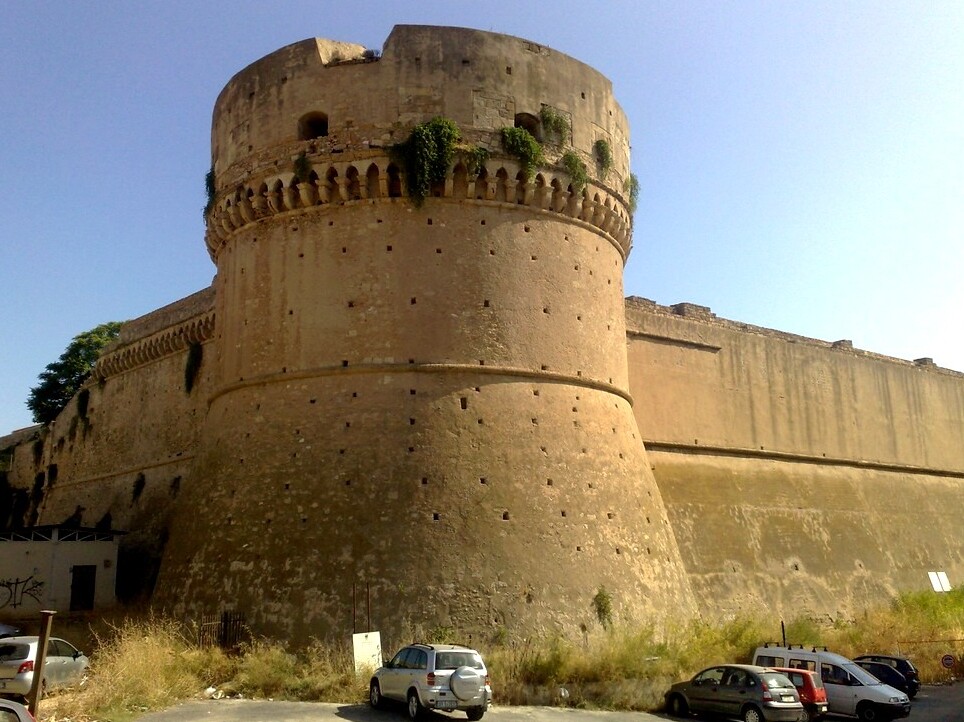

Walking through the narrow, winding streets of Crotone's old town, you stumble upon a monumental testament to the city's storied past: the Castle of Crotone. Perched atop a hill, this ancient fortress is not just a remarkable structure but a blend of history that narrates the tale of its ancient Greek origins and its evolution through centuries of conflict and change.
### History and Origins
The roots of the Castle of Crotone trace back to the 8th century BC, when the city was founded by Greek settlers from Achaea, who named it Croton. During its early years, Croton flourished as a rich cultural and economic hub, home to the famed athlete Pythagoras. The castle's site was initially occupied by the Acropolis, a sacred area that served as a focal point for religious and civic life.
Through the ages, the fortress has witnessed significant historical events. After the fall of the Western Roman Empire, the castle became a strategic military site, particularly noted for its role in defending against Byzantine and later Arab invasions. By the 16th century, the structure underwent major renovations under the Spanish viceroy Don Pedro de Toledo, who transformed the castle into its present quadrangular shape, reinforcing the fortifications with two cylindrical towers and robust walls.
### Art and Architecture
Architecturally, the Castle of Crotone is a captivating blend of styles that reflect its tumultuous history. The original circular nucleus of the castle serves as a reminder of its ancient origins, while the later pentagonal bastions—San Giacomo and Santa Caterina—exemplify Renaissance military architecture designed for artillery defense.
Inside, visitors can admire the remnants of medieval artistry, such as the beautifully crafted stonework and remnants of frescoes that adorned the walls. The castle's imposing façade, with its robust towers and ramparts, evokes a sense of strength and resilience, embodying the spirit of a city that has weathered many storms.
### Local Culture and Traditions
The cultural significance of the Castle of Crotone extends beyond its historical importance; it serves as a vibrant hub for local traditions and events. Every summer, the castle hosts the Festival of the Sea, celebrating Crotone’s maritime heritage with music, dance, and local cuisine, all set against the backdrop of the ancient fortress. This festival not only reinforces community bonds but also pays homage to the city’s historical relationship with the sea.
Moreover, the castle is home to numerous art exhibitions and cultural events, including concerts and theatrical performances that reflect the rich artistic tapestry of the region. The blending of history and contemporary culture at the castle creates a unique atmosphere that enchants both locals and visitors alike.
### Gastronomy
No visit to Crotone would be complete without indulging in its culinary delights. The region is renowned for its cuisine, which emphasizes fresh, local ingredients. A signature dish to try is 'nduja, a spicy, spreadable salami that embodies the flavors of Calabria. Paired with local wines, such as Cirò, a robust red wine produced from the ancient Gaglioppo grape, these flavors will transport you to the heart of the region's culinary traditions.
Additionally, Crotone’s proximity to the sea means seafood is a staple. Dishes like spaghetti with anchovies or grilled swordfish highlight the city’s maritime bounty. Don’t forget to sample Pitta, a traditional Calabrian flatbread often served with various toppings, making it a perfect snack while exploring the castle grounds.
### Lesser-known Curiosities
While many tourists admire the grand architecture of the Castle of Crotone, few know that hidden within its walls are stories of resilience and intrigue. One lesser-known fact is that the castle was used as a prison during the Bourbon rule in the 19th century, housing notable political prisoners. Additionally, the castle's strategic location has led to many legends of pirate attacks and clandestine meetings among local nobility, adding an air of mystery to its storied past.
Another fascinating detail is the castle's role in the local belief systems. Some locals claim the fortress is haunted, with stories of ghostly figures appearing at twilight, believed to be remnants of ancient guards still watching over the city.
### Practical Visitor Information
The best time to visit the Castle of Crotone is during the spring and early fall when the weather is mild, and the city is lively with festivals. Plan your visit for early June, when the Festival of the Sea takes place, or in late September, when the grape harvest is celebrated with local wine festivals.
When exploring the castle, be sure to look for the civic museum located within its walls, which houses artifacts that chronicle the city’s rich history. A leisurely stroll around the castle's perimeter offers breathtaking views of the coastline and the surrounding countryside, making it a perfect spot for photography enthusiasts.
As you delve into the depths of Crotone’s history and culture, let the Secret World app help you create a personalized itinerary that captures the essence of this captivating city.
