
Perched on the rugged cliffs of Capocolonna, the Sanctuary of the Madonna di Capo Colonna offers a profound glimpse into the intertwining of faith, history, and breathtaking landscapes. This sacred site is not only a spiritual haven but also a testament to centuries of artistic and architectural evolution.
### History and Origins
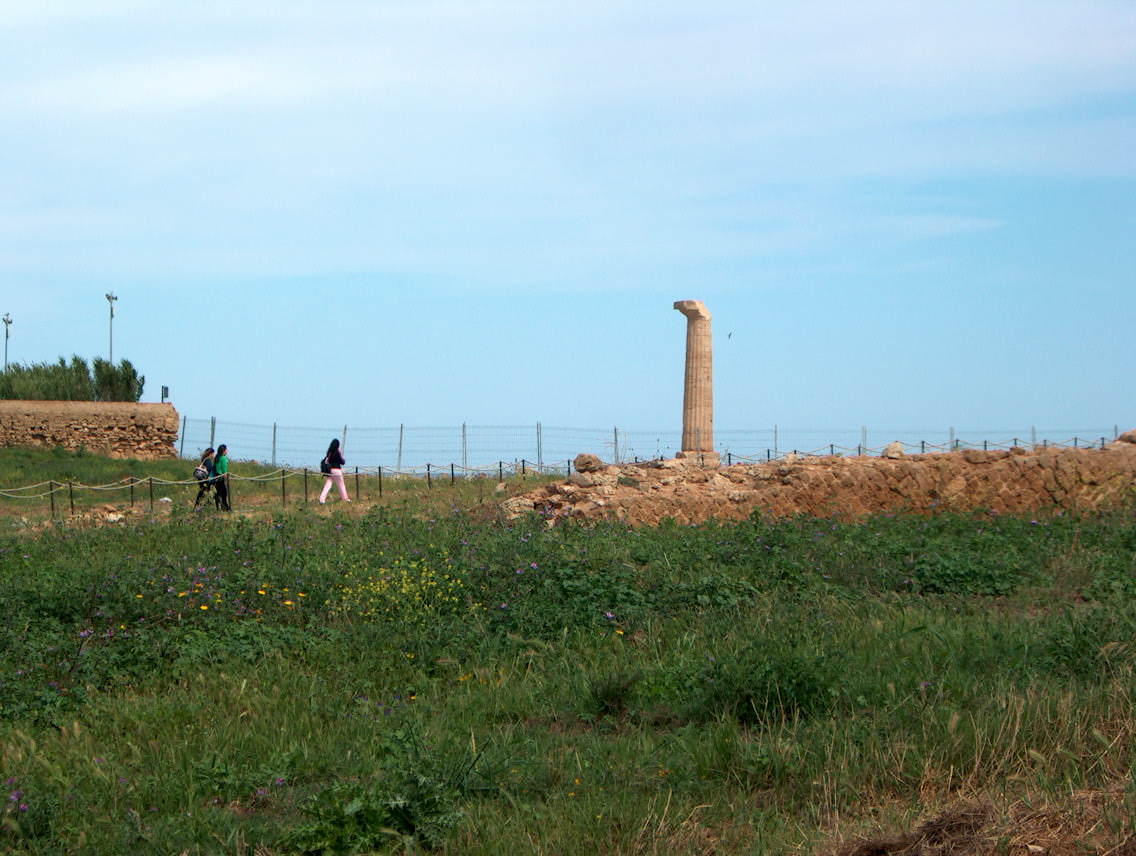
The roots of the sanctuary stretch back to antiquity, nestled near the archaeological area of Capo Colonna. This location was once home to the Temple of Hera Lacinia, a significant site in the ancient Greek world. Although only one Doric column remains of the temple today, it stands as a silent witness to the rich history that envelops this promontory.
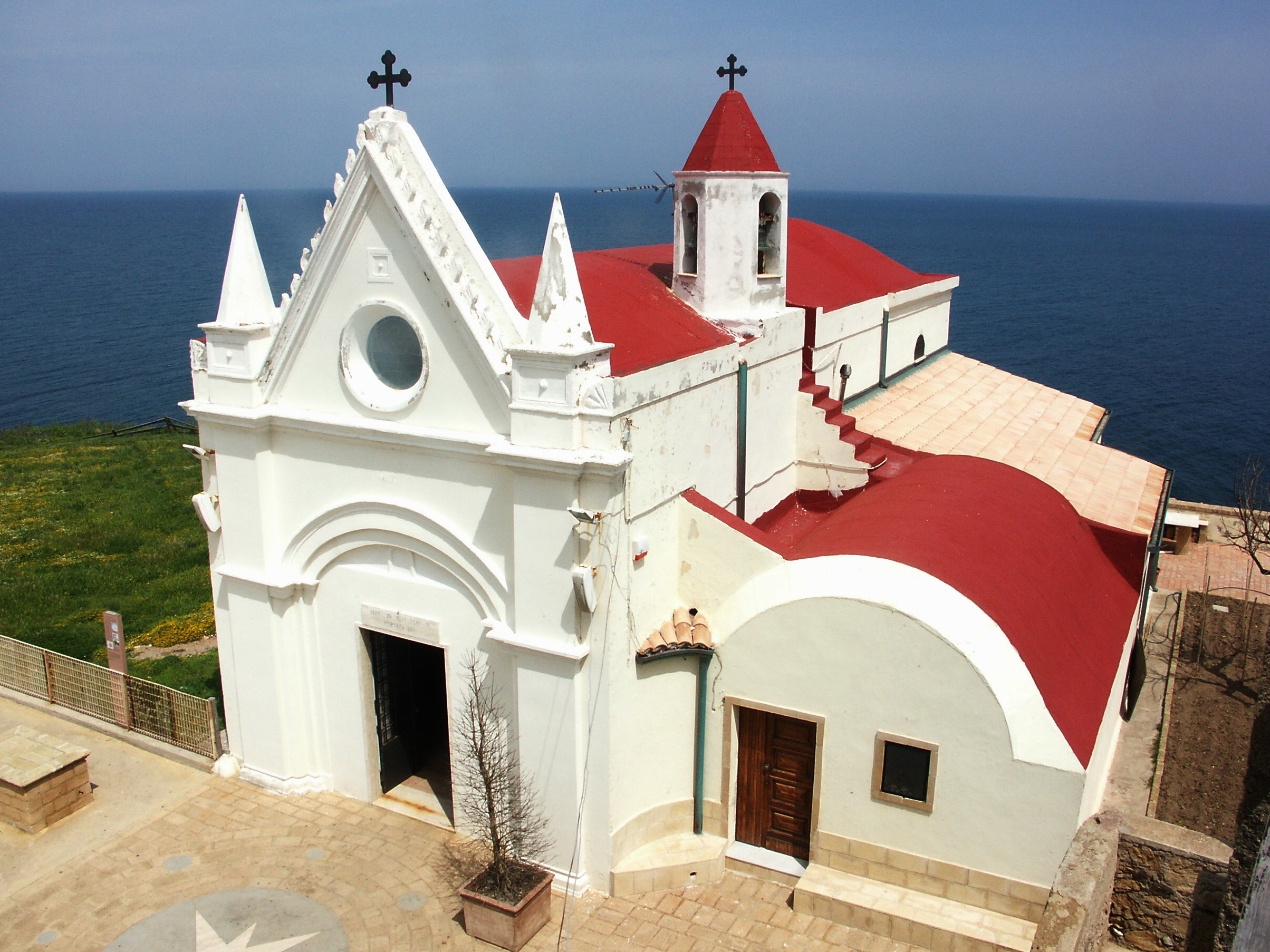
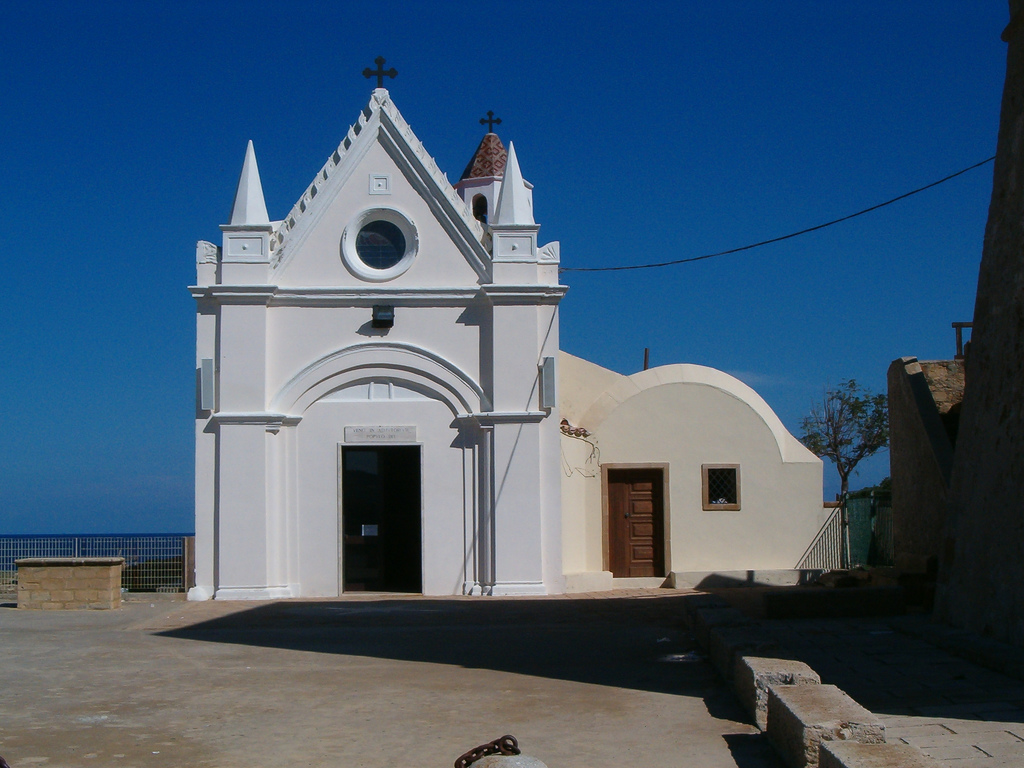
The sanctuary itself was likely established by the Basilian monks of Salice Salentino between the 11th and 13th centuries. By 500 AD, it was already mentioned in the Book of Miracles, which chronicles a dramatic episode in 1519 when an Ottoman attempt was made to desecrate the icon housed within. Throughout the centuries, the church has seen various transformations; in the 18th century, it was converted into a hermitage, and in 1897, it was remodeled under the guidance of Marquis Anselmo Berlingeri, achieving its present form.
### Art and Architecture
The architectural design of the sanctuary reflects a blend of styles that mirror its historical journey. The simplicity of the structure is accentuated by the surrounding natural beauty, with a stunning view of the Ionian Sea. Visitors will be captivated by the Byzantine icon of the Madonna, believed to date back to the 10th or 11th century. This painting, traditionally attributed to Saint Luke, has undergone several restorations yet retains its spiritual significance.
Inside, the sanctuary's walls are adorned with elaborate frescoes and decorations that depict various saints and biblical scenes, each narrating a story of faith and devotion. The icon’s journey, from the Cathedral of Crotone to the sanctuary during the feast of the Madonna di Capocolonna, is a spectacle that enhances its artistic and cultural importance.
### Local Culture and Traditions
The sanctuary is at the heart of local traditions and cultural practices. Each year, the feast of the Madonna di Capocolonna draws thousands of pilgrims and visitors who partake in a vibrant procession. This event, held every September, features colorful parades, traditional music, and local folk dances, all celebrating the deep-rooted connection between the community and their patroness.
Moreover, the sanctuary is a focal point for various religious ceremonies, especially during the Easter season, when the atmosphere is imbued with a sense of reverence and communal spirit. The locals often share stories of miracles attributed to the Madonna, reinforcing the sanctuary’s significance within the spiritual landscape of the region.
### Gastronomy
No visit to Capocolonna is complete without indulging in the local cuisine, which reflects the rich agricultural heritage of the area. Traditional dishes often feature fresh seafood, reflecting the sanctuary’s coastal location. One must try spaghetti alle vongole, a simple yet flavorful pasta dish made with clams, garlic, and olive oil.
For a sweet treat, torrone—a nougat confection made with almonds and honey—has local variations that are particularly popular during festive seasons. Pairing these dishes with a glass of Cirò wine, produced from grapes grown in the nearby hills, enhances the culinary experience, making every meal a celebration of local flavors.
### Lesser-Known Curiosities
While many are drawn to the iconic column and the sanctuary itself, a lesser-known curiosity lies in the surrounding archaeological ruins. Visitors often overlook the remnants of ancient Roman villas that once flourished in this area, which provide a fascinating contrast to the religious site. Additionally, the sanctuary is said to be a site of numerous miraculous events, including legends of healing attributed to the Madonna, adding layers of mystique to its already rich narrative.
Another intriguing aspect is the sanctuary’s connection to Saint Dionysius the Areopagite, who is traditionally believed to have donated the icon. This connection highlights the blending of local legend with broader Christian traditions, inviting visitors to explore the deeper spiritual narrative woven into the fabric of Capocolonna.
### Practical Visitor Information
For those looking to explore the Sanctuary of the Madonna di Capo Colonna, the best time to visit is during the spring and early autumn months when the weather is mild and conducive to outdoor exploration. Early mornings or late afternoons are ideal for experiencing the serene atmosphere, free from the larger crowds.
When visiting, take time to wander the surrounding paths that offer stunning views of the coastline and the ancient ruins. Be sure to look for informative plaques that detail the history and significance of various sites. A camera is essential, as the interplay of light on the sea and the historic architecture creates unforgettable scenes.
In conclusion, the Sanctuary of the Madonna di Capo Colonna is more than a mere historical site; it is a living testament to the enduring faith and rich culture of the region. From the profound stories of miracles to the flavors of local gastronomy, every aspect invites deeper exploration. For a personalized experience tailored to your interests, consider using the Secret World app to craft your own itinerary while visiting Capocolonna.