
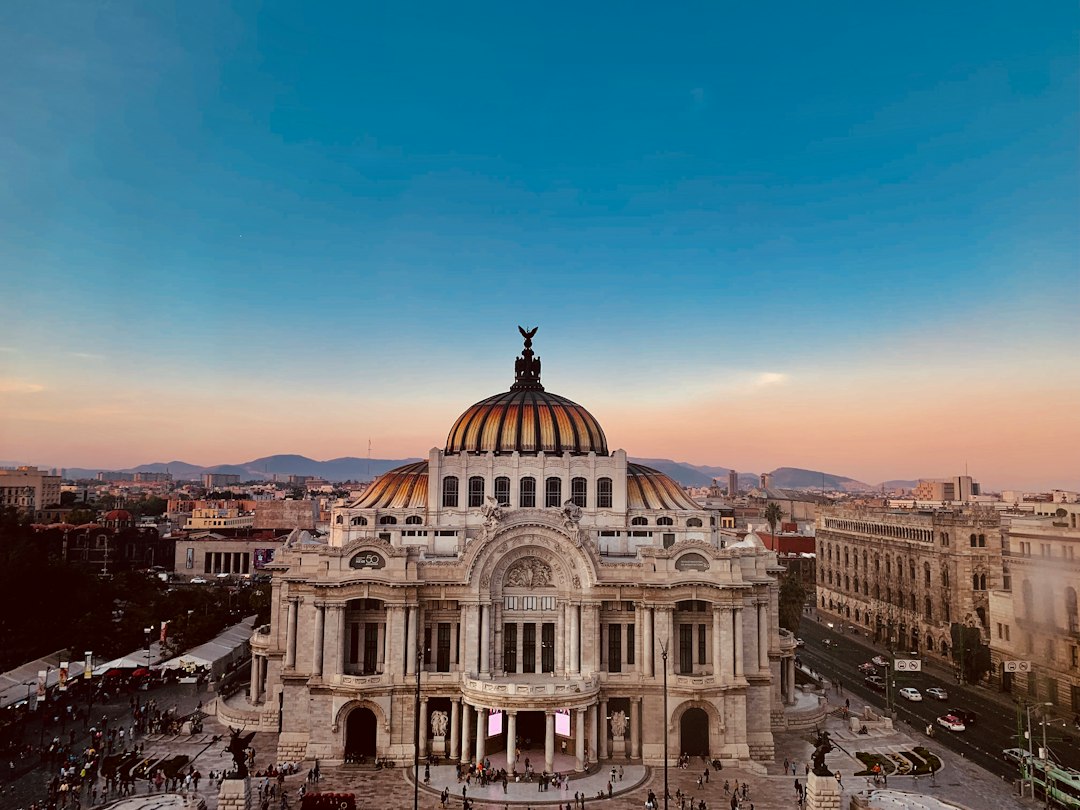

In the heart of the historic center of Mexico City, along Calle Tacuba, stands a neoclassical building that houses one of the most complete art collections in the country. The Nacional Museum of Art, also known as MUNAL, occupies a building constructed in the early 1900s designed by the Italian architect Silvio Contri, inaugurated in 1911 during the regime of Porfirio Díaz as the seat of the Ministries. The structure, with its gray stone facade and monumental staircase, is already a work to be observed carefully even before crossing the entrance.
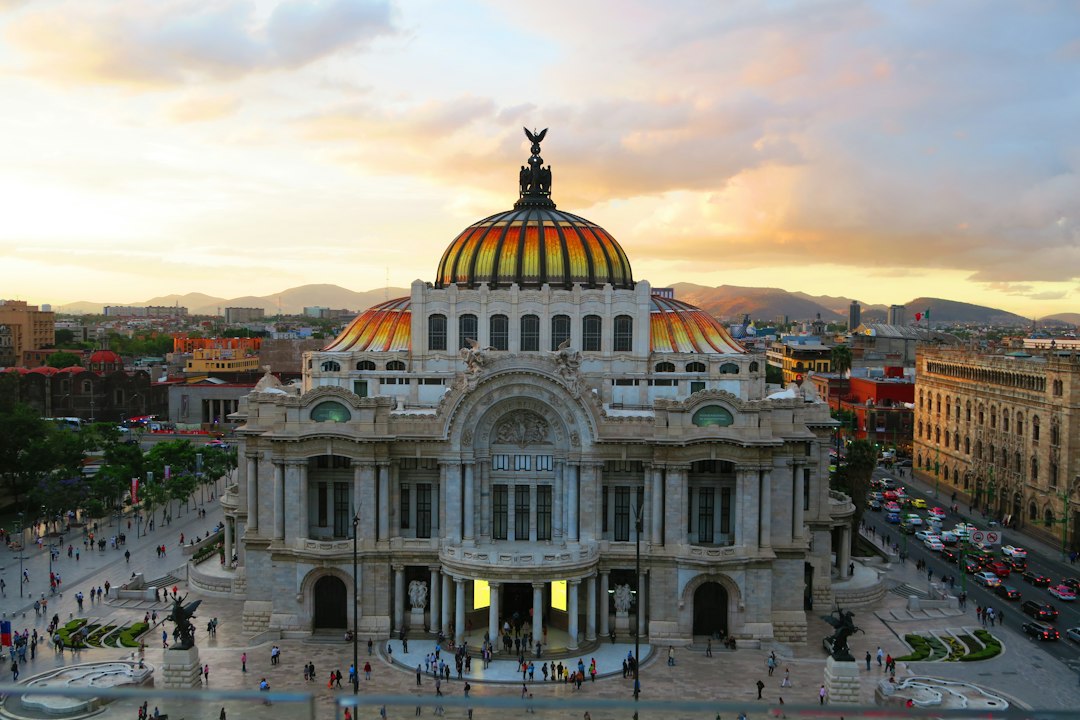
In front of the main entrance is one of the most photographed spots in the historic center: the equestrian statue of King Charles IV of Spain, created by the neoclassical artist Manuel Tolsá, completed in 1803. Mexicans affectionately call it El Caballito, the little horse, despite the fact that the animal is anything but small. It is an immediate visual landmark for navigating the neighborhood and understanding where the museum is located.
The permanent collection: from colonial art to muralism
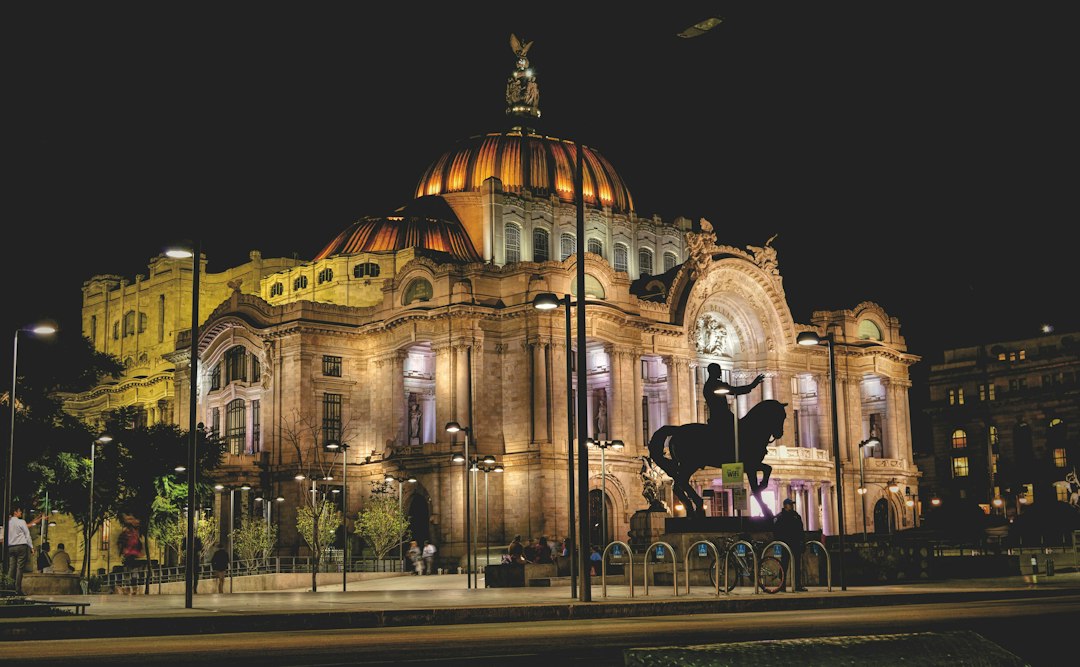
The exhibition path of the MUNAL encompasses about five centuries of Mexican artistic production, from the 16th century to the mid-20th century. The rooms on the upper floor host colonial paintings with religious themes, created between the 17th and 18th centuries by artists such as Cristóbal de Villalpando and Juan Correa, central figures of viceroyal novohispanic painting. The canvases, often large in size, show the influence of European baroque filtered through a local sensibility that is recognized in the chromatic details and the expressions of the faces.
Moving up to the subsequent floors, the narrative shifts towards the 19th century with the landscapes of the painting school of the Academy of San Carlos, then towards social realism and finally towards the great names of the 20th century. There are works by José María Velasco, famous for his views of the Valle de México, and Saturnino Herrán, a symbolist painter who died prematurely in 1918. The collection allows for a coherent line of stylistic evolution without logical jumps.
The masterpieces not to be missed
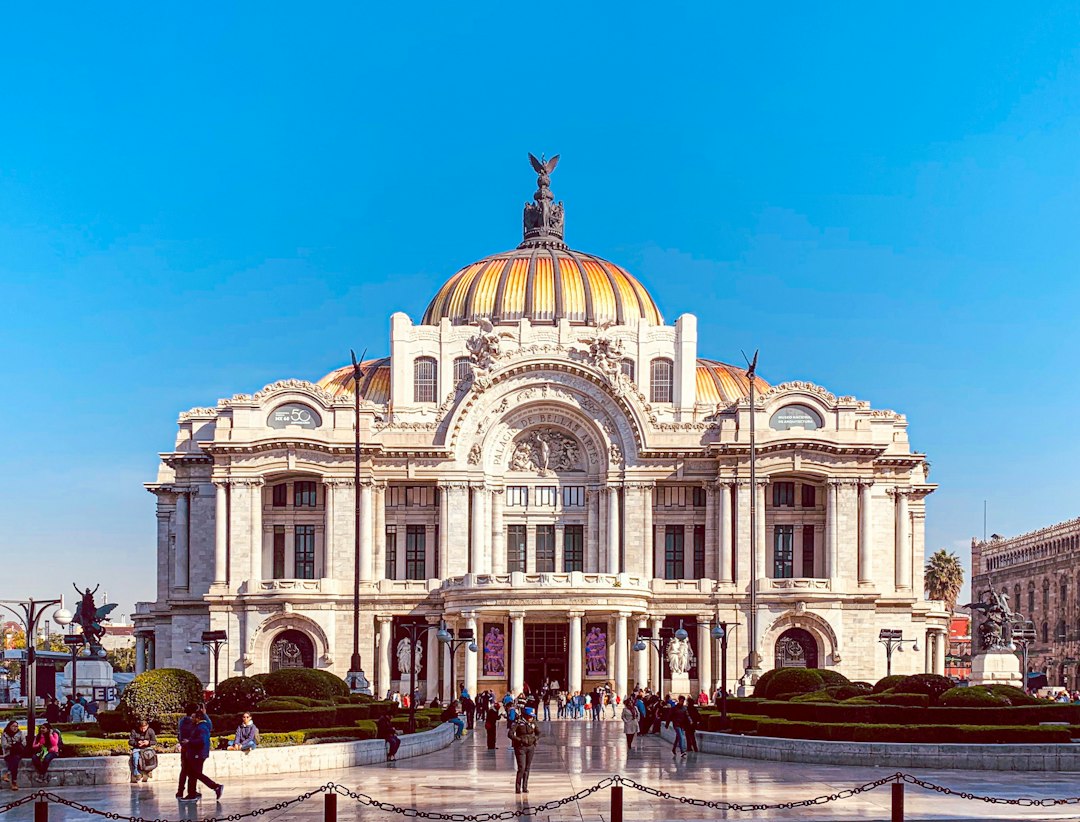
Among the most significant pieces of the museum stands La Patria by Jorge González Camarena, an allegorical work that visually synthesizes the post-revolutionary Mexican national identity. The painting has become so iconic that it has been reproduced for decades in Mexican elementary school textbooks: many local visitors recognize it immediately with a mix of nostalgia and surprise upon seeing it displayed in a formal museum context.
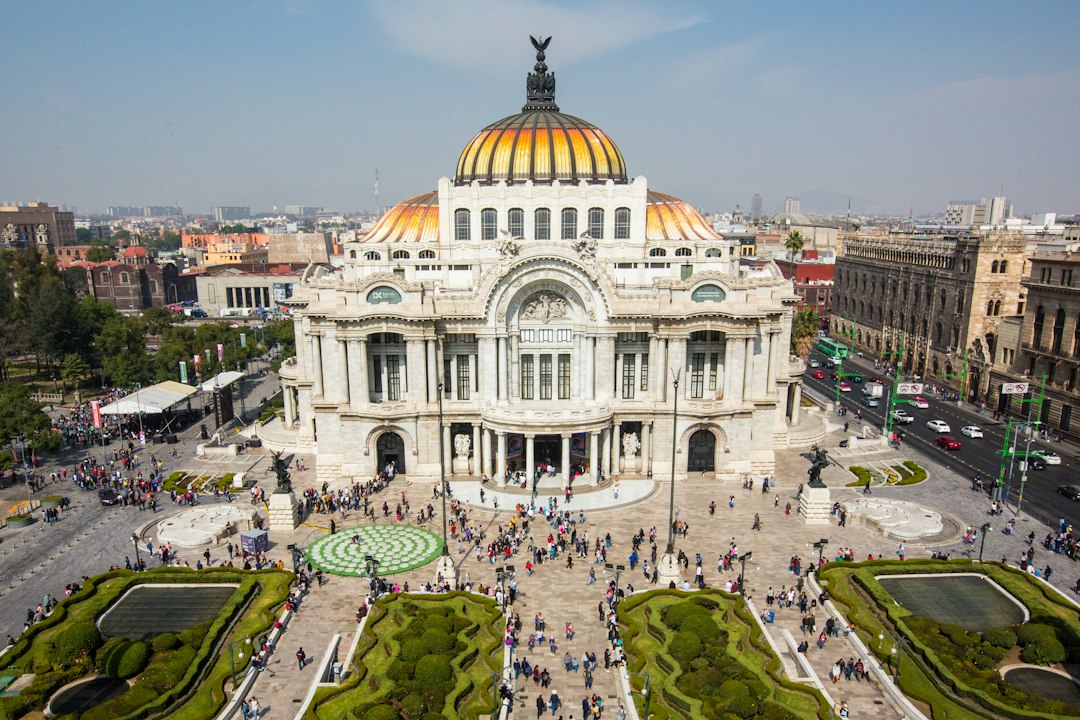
No less relevant is the presence of works related to the muralist movement, although the large cycles of Diego Rivera, José Clemente Orozco, and David Alfaro Siqueiros are mainly found in other buildings in the city. However, the MUNAL offers canvas works by these same authors, allowing appreciation of their painting technique in a more intimate format compared to the monumental frescoes.
The building as part of the experience
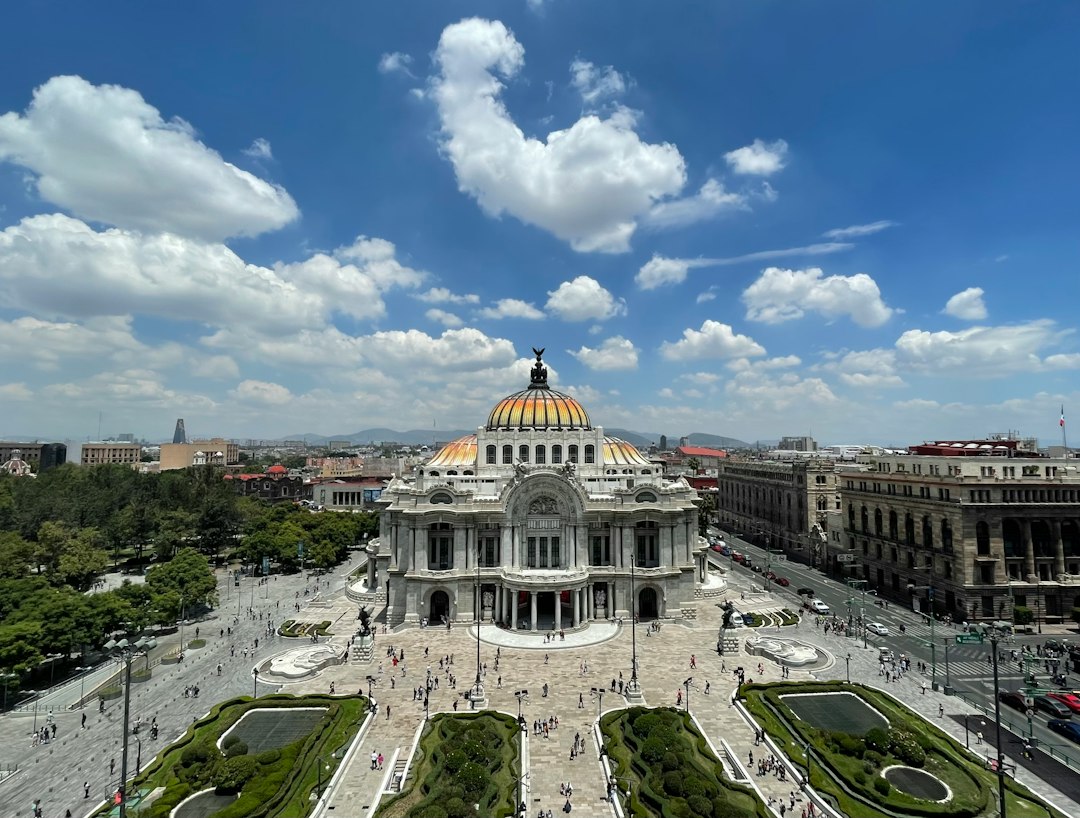
The internal architecture of the palace deserves separate attention. The central courtyard covered by a glass and iron vault is one of the most elegant spaces in the historic center of Mexico City. The marble balustrades, the semicircular arches, and the mosaic floors contribute to creating an atmosphere reminiscent of certain Roman or Viennese palaces of the same era. Many visitors stop in the courtyard even just for the quality of the natural light that filters through the transparent covering.
On the ground floor, there is a café where it is possible to take a break during the visit, especially useful because the complete tour of the collection requires at least two hours to be undertaken with the necessary calm. The museum also has a bookstore specializing in Mexican and Latin American art, with catalogs and publications that are hard to find elsewhere.
Practical information for the visit
The MUNAL is located at calle Tacuba 8, in the historic center of Mexico City, just a few minutes walk from the Bellas Artes subway station (lines 2 and 8). The entrance ticket costs approximately 85 Mexican pesos for foreign adult visitors, while on Sundays, entry is free for Mexican citizens. The museum is open from Tuesday to Sunday, generally from 10:00 AM to 5:30 PM.
The best time to visit is in the morning on weekdays, when the rooms are less crowded and the natural light in the courtyard is more intense. On Sundays, although free for locals, it tends to be more chaotic. Those with limited time can focus on the 19th and 20th-century rooms on the upper floors, which offer the most effective summary of national artistic evolution without requiring an in-depth knowledge of colonial religious iconography.


