


The smell of warm puff pastry and powdered sugar welcomes the visitor even before crossing the threshold of the Confeitaria Nacional. Founded in 1829, this historic pastry shop is located in the heart of Lisbon, just a few steps from the Praça do Rossio, and has remained true to its original vocation through almost two centuries of Portuguese history, wars, revolutions, and urban transformations.
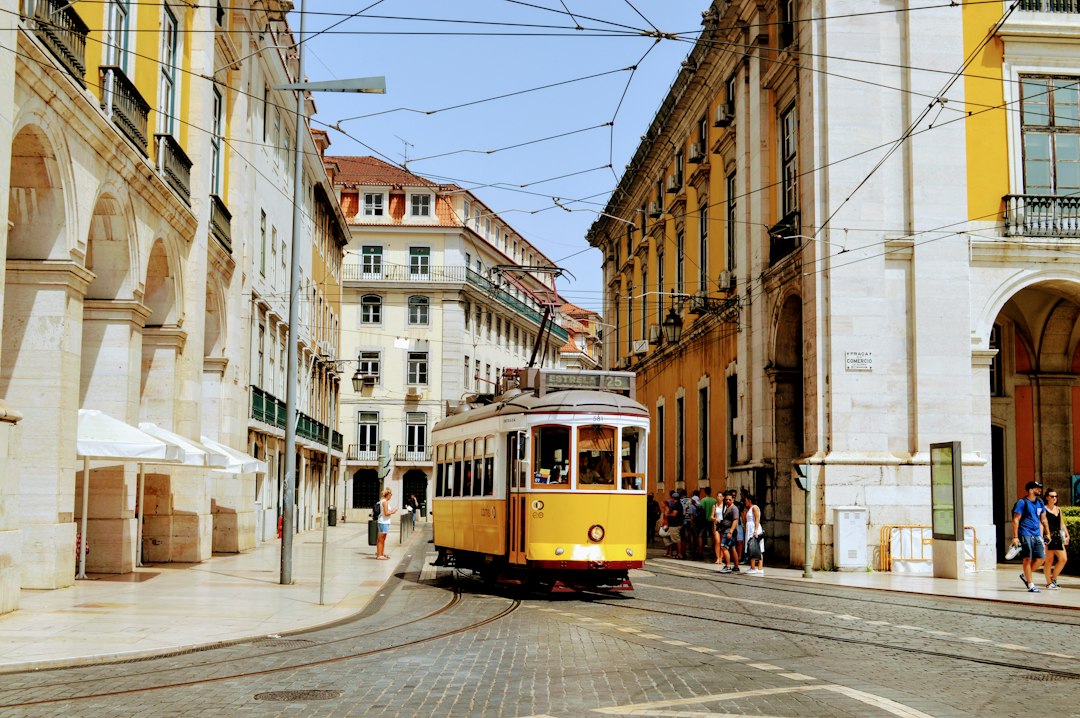
The façade in azulejos — the traditional glazed ceramic tiles typical of Portuguese architecture — is one of the most recognizable elements of the entire Baixa district. Inside, the illuminated display cases showcase neatly arranged rows of regional sweets, trays filled with queijadas and bolas de berlim, while the dark wooden counter and mirrors on the walls create an atmosphere that has not succumbed to contemporary trends.
A pastry shop that has traversed the history of Lisbon

Opening in 1829 meant operating in a Lisbon still marked by the traumas of the Napoleonic invasions and in full political transition. The Confeitaria Nacional survived all of this, becoming a landmark not only gastronomically but also socially for the Lisboetas. Generations of families have sat at its tables to celebrate birthdays, first communions, and daily anniversaries.
The interior retains original decorative elements that an attentive observer can still identify: the wooden counters, the display cases with slanted shelves to showcase the sweets, and that particular filtered light that enters through the street-facing windows. This is not a nostalgic reconstruction, but an authentic continuity that is perceived in the wear of the materials and in the arrangement of the spaces.

The sweets: ingredients and flavors to know
The queijadas are one of the most representative products of the house. They are small sweets made with fresh ricotta, sugar, eggs, and cinnamon, with a thin and crumbly crust that gives way at the first bite, leaving a soft and fragrant filling. The recipe recalls the Portuguese conventual tradition, where nuns used the leftover egg yolks from starch production to create rich and dense pastries.

The bolas de berlim are instead a Portuguese version of the German bombolone: fried, puffy, cut in half and filled with a thick yellow custard, then dusted with granulated sugar. The texture is denser compared to the Italian variants, and the cream has a strong presence that balances the sweetness of the dough. Alongside these, the pastry shop offers a rotation of seasonal and regional products that varies throughout the year.
The sensory experience: what to expect upon entering

Those who enter the Confeitaria Nacional during peak hours — typically in the morning between nine and eleven — find themselves immersed in a continuous movement of regular customers who order at the counter without consulting the menu, already knowing prices and availability by heart. The staff works quickly, and the pace of the place is that of a neighborhood pastry shop, not a tourist spot slowed down for a photo opportunity.
The coffee served here is a bica, the Portuguese espresso: short, intense, with a dark crema and a slightly bitter aftertaste that pairs perfectly with the sweetness of the queijadas. Sitting at one of the indoor tables and ordering this combination is probably the most direct way to understand what breakfast means for a Lisboeta from the historic center.
Practical tips for the visit
The Confeitaria Nacional is located in Praça da Figueira, less than five minutes walk from the Rossio metro station (green line and blue line). The best time to visit it without encountering a line is on weekdays, during the time between 10:30 and 11:30, when the morning peak has already subsided and the lunch rush has not yet begun. On weekends, especially Saturday mornings, the influx is significantly higher.
Prices are in line with those of a traditional Portuguese pastry shop: pastries at the counter generally cost between one and three euros each, and coffee is around one euro. It is worth buying something to take away: the pastry shop has gift packaging that allows you to transport the pastries without damaging them. Those with little time can limit themselves to a twenty-minute stop at the counter, but those who want to soak up the atmosphere of the place should plan at least half an hour sitting at the indoor tables.


