
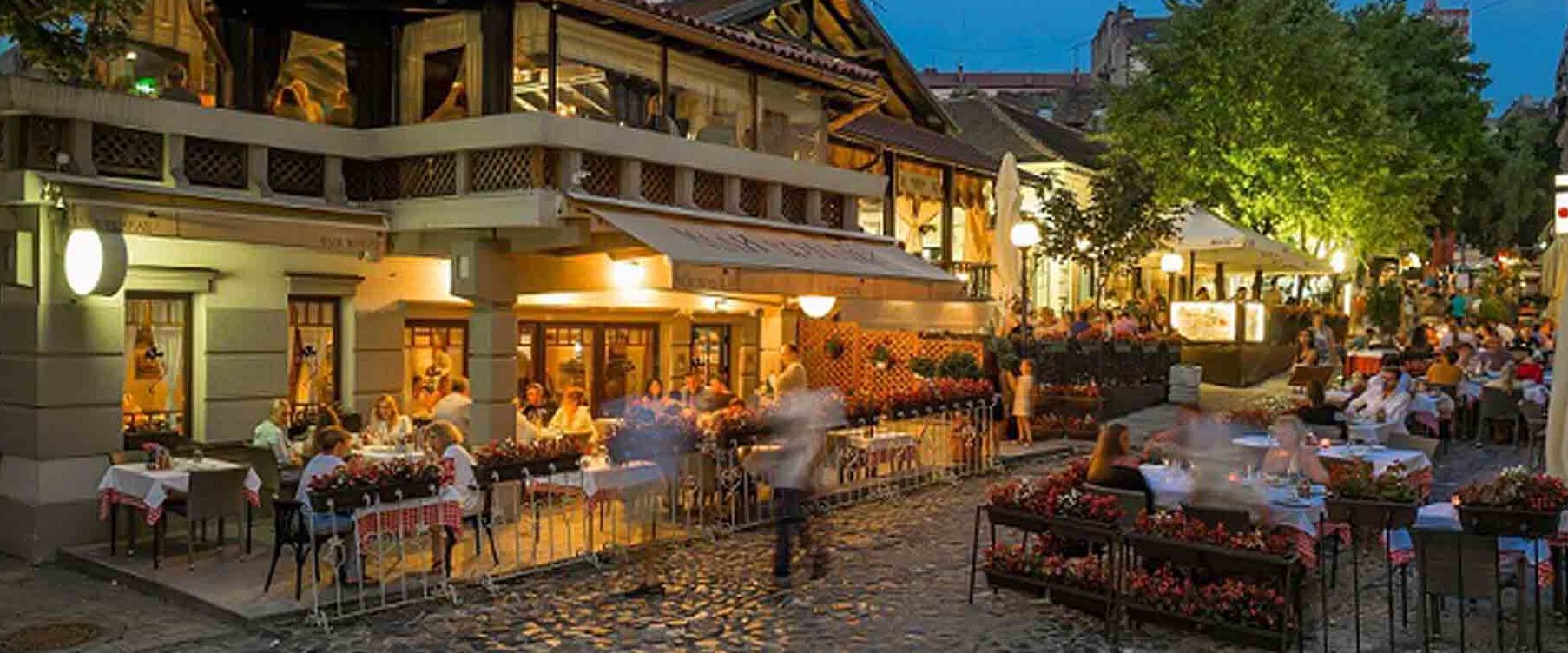

In the heart of Belgrade lies Skadarlija, an enchanting old bohemian quarter that has captivated artists and dreamers alike for over a century. Often likened to the famed Montmartre of Paris, this vibrant street is a living tapestry of history, culture, and artistic expression.
History and Origins
Skadarlija's roots trace back to the late 19th century, a time when Belgrade was emerging from the shadows of Ottoman rule. Originally a humble settlement, it began to flourish as a bohemian enclave for writers, painters, and musicians. The cobblestone street held its first kafana, or tavern, in 1850, quickly becoming a hub for the city’s intellectuals. Dura Jakšić, a celebrated poet and painter, was among the first to call Skadarlija home, and his influence helped shape the area into a cultural hotspot.
The quarter witnessed significant events through the years, including the tumultuous periods of World War I and II, which brought both destruction and a renaissance of creativity. As the city rebuilt itself, Skadarlija remained a testament to Belgrade's artistic spirit, continuing to attract figures like the acclaimed actor Bata Stojković and writer Miloš Crnjanski.
Art and Architecture
Walking through Skadarlija is akin to stepping into an open-air museum. The architecture is a delightful blend of Serbo-Byzantine and Austro-Hungarian styles, characterized by colorful facades, wrought-iron balconies, and intricate detailing. The National Museum of Serbia and the Museum of Contemporary Art are just a stone's throw away, further enriching the artistic landscape.
Notable artworks adorn the walls of many kafanas, where local painters have captured the essence of bohemian life. A particularly striking piece is the mural by Milan Konjović, celebrated for depicting the vibrant atmosphere of Skadarlija's nightlife. The quarter's artistic significance is underscored by numerous galleries showcasing contemporary works alongside traditional crafts.
Local Culture and Traditions
Skadarlija is steeped in local customs that reflect Serbia's rich cultural tapestry. Music is at the heart of the bohemian spirit, with traditional gusle players and folk singers often performing in the street. The annual Skadarlija Festival, celebrated every September, brings together artists, musicians, and food lovers, transforming the quarter into a lively showcase of Serbian culture.
Visitors may also encounter the unique tradition of “kafana culture”, where the act of gathering in taverns transcends mere dining. It is a ritual of storytelling, laughter, and deep conversation, fostering connections among strangers and friends alike.
Gastronomy
No visit to Skadarlija is complete without indulging in its culinary delights. The quarter is famous for its hearty Serbian dishes, including ćevapi (grilled minced meat), sarma (cabbage rolls), and ajvar (pepper spread). Pair your meal with a glass of rakija, a traditional fruit brandy, to truly savor the local flavors.
Kafanas like “Dva Jelena” and “Skadarlijska Dva” are renowned for their authentic atmosphere and mouthwatering menus. The aroma of freshly baked pita wafts through the air, tempting passersby to step inside and join the revelry.
Lesser-Known Curiosities
While Skadarlija is well-trodden, it harbors a few hidden gems that often escape the notice of tourists. One such curiosity is the legend of the “Black Lady”, said to haunt the quarter, believed to be the spirit of a poetess who never received her due recognition. Locals say that if you hear her whispers while wandering the cobblestones, you are destined for artistic greatness.
Another fascinating detail is the “Skadarlija” umbrella, a local invention named after the quarter. These large, decorative umbrellas are often found in outdoor cafés, providing shade while adding a splash of color to the streets.
Practical Visitor Information
The best time to visit Skadarlija is during the spring and early autumn, when the weather is mild and the outdoor cafés are bustling with life. Weekends are particularly lively, filled with music and festivities, so plan your visit accordingly.
When exploring, take your time to wander through the narrow streets, stopping to admire the art and engage with the locals. Be sure to try a traditional meal in one of the many kafanas, and don’t hesitate to strike up a conversation; the people of Skadarlija are known for their warmth and hospitality.
For a unique experience, consider visiting during the Skadarlija Festival, where you can immerse yourself in the vibrant culture, taste local delicacies, and enjoy live performances.
Whether you’re an art lover, a foodie, or simply in search of a magical atmosphere, Skadarlija promises an unforgettable experience that echoes the spirit of Belgrade. To make the most of your visit, the Secret World app can help you craft a personalized itinerary tailored to your interests.


