
← Back

Neapolitan shortbread pastry

Piazza S. Domenico Maggiore, 19, 80134 Napoli NA, Italia ★★★★☆ 245 views
Serena Eve
Napoli
🏆 AI Trip Planner 2026

Get the free app

Discover the best of Napoli with Secret World — the AI trip planner with 1M+ destinations. Get personalized itineraries, hidden gems and local tips. Free on iOS & Android.

🧠 AI Itineraries 🎒 Trip Toolkit 🎮 KnowWhere Game 🎧 Audio Guides 📹 Videos
Download on the App Store Get it on Google Play
Scan to download Scan to download

Typical Dishes · Napoli

Neapolitan shortbread pastry - Napoli | Secret World Trip Planner

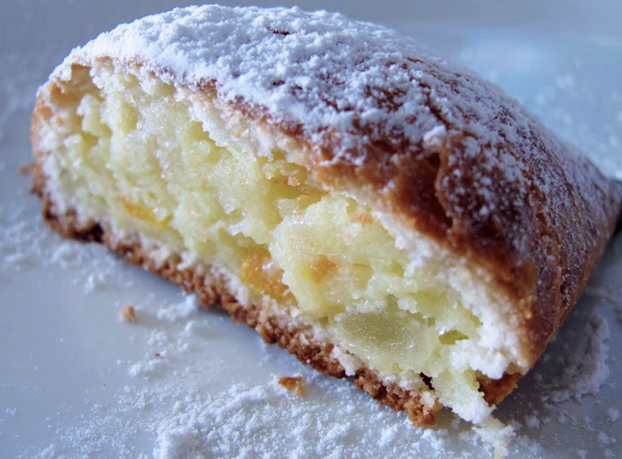
Nestled in the heart of Napoli, Italia, the Neapolitan shortbread pastry stands as a testament to Campania's rich culinary heritage. This delightful treat, known locally as 'pastiera', boasts a crumbly texture and a fragrant filling that intertwines the essence of ricotta, semolina, and candied fruit, all harmonized with a hint of cinnamon and vanilla. To truly appreciate its significance, one must delve into its history and the surrounding culture that has nurtured it through the ages.

### History and Origins The origins of the Neapolitan shortbread pastry can be traced back to the ancient traditions of the Campania region. In medieval times, the use of ricotta and semolina was prevalent, laying the groundwork for the sweet treats we enjoy today. By the 18th century, the recipe began to evolve, adopting local ingredients like candied fruits, which were a testament to the region's fruitful landscape and trade connections with nearby Sicily. The Neapolitan shortbread became a staple during the Easter season, celebrated in homes across the city.

### Art and Architecture The artistry of this pastry is mirrored in Napoli's stunning architecture. The intricate designs of the Duomo di Napoli and the ornate details of the Teatro di San Carlo reflect a similar craftsmanship found in the culinary arts. Just as the Neapolitan shortbread combines layers of flavors, the city's architecture showcases layers of Greek, Roman, and Baroque influences. Notable artworks, such as the 'Flagellation of Christ' by Caravaggio, can be found in the Museo di Capodimonte, further amplifying the artistic significance of the region.

### Local Culture and Traditions In Napoli, food is not merely sustenance; it's a way of life. The Neapolitan shortbread plays a crucial role during various festivals, particularly around Easter, where families gather to prepare and share this beloved pastry. The process of making it is steeped in tradition, often passed down through generations. During La Pasqua, locals partake in a symbolic feast, celebrating renewal and community. Visitors may also encounter spontaneous street performances and the lively atmosphere of local pizzerias, where the aroma of pizza napoletana fills the air.

### Gastronomy Beyond the Neapolitan shortbread, Napoli is known for its diverse gastronomy. The region boasts favorites like sfogliatella, baba, and the famous Neapolitan pizza. Pairing these delights with a glass of local Limoncello or a robust Aglianico wine enhances the culinary experience. The city’s markets, such as the bustling Mercato di Porta Nolana, are perfect for sampling these local delicacies. Here, vendors proudly display their wares, inviting you to taste the essence of Campania.

### Lesser-Known Curiosities While many tourists flock to the popular sites, there are hidden gems within Napoli that showcase the city’s charm. For instance, the San Gregorio Armeno street is renowned for its artisan workshops that create exquisite nativity scenes year-round. Additionally, the Neapolitan shortbread isn’t just a dessert; it symbolizes the region's resilience and creativity. Historically, bakers would often innovate based on available ingredients, leading to unique variations of the pastry that reflect the personal touch of each family.

### Practical Visitor Information The best time to indulge in Neapolitan shortbread is during the Easter season, when it is most commonly made. However, many bakeries offer it year-round, with Pasticceria Scaturchio being a notable spot to try. When visiting, consider exploring the narrow streets of the historic center, a UNESCO World Heritage site, where you can savor the pastry while soaking in the vibrant atmosphere. For an authentic experience, engage with local bakers and learn about their craft.

In conclusion, the Neapolitan shortbread pastry is more than just a dessert; it embodies the rich history, culture, and traditions of Napoli. As you explore this vibrant city, let the enticing aroma of freshly baked pastries guide you through its streets and into its heart. For a personalized journey through Napoli, consider using the Secret World app to craft your unique itinerary.

🗺 AI Trip Planner

Plan your visit to Napoli

Suggested itinerary near Neapolitan shortbread pastry

MAJ+
500.000+ travelers worldwide
  1. 🌅
    Morning
    Neapolitan shortbread pastry
    📍 Napoli
  2. ☀️
    Afternoon
    Easter and the Neapolitan Tortano Napoletano,
    📍 0 km · Napoli
  3. 🌆
    Evening
    Church of Sant'Angelo a Nilo ( Brancaccio Chapel )
    📍 0.1 km · Napoli

Buy Unique Travel Experiences

Powered by Viator

See more on Viator.com

Explore nearby · Napoli

Frequently Asked Questions

Neapolitan shortbread, known locally as 'pastiera', is a traditional pastry from Napoli featuring a crumbly texture and fragrant filling made with ricotta, semolina, and candied fruit, harmonized with hints of cinnamon and vanilla. This beloved treat represents the culinary heritage of the Campania region and has been perfected over centuries.
The best time to experience authentic Neapolitan shortbread is during the Easter season, when this pastry becomes a staple celebration in homes across Napoli and families gather to prepare and share this beloved treat. The Easter festivities showcase the pastry's deep cultural significance in the region.
Neapolitan shortbread traces its origins back to ancient Campania traditions, with medieval foundations using ricotta and semolina as key ingredients. By the 18th century, the recipe evolved to include candied fruits, reflecting the region's fruitful landscape and trade connections with Sicily.
The Museo di Capodimonte houses notable artworks like Caravaggio's 'Flagellation of Christ', while the stunning Duomo di Napoli and ornate Teatro di San Carlo reflect the same craftsmanship and layered influences found in Neapolitan cuisine. These landmarks showcase the city's Greek, Roman, and Baroque architectural heritage that parallels the complexity of traditional pastries.
In Napoli, food is not merely sustenance but a way of life, and the Neapolitan shortbread plays a crucial role during various festivals, particularly around Easter, where it represents family gatherings and shared traditions. The pastry embodies the region's culinary identity and continues to be celebrated as an essential part of Campania's cultural heritage.
