
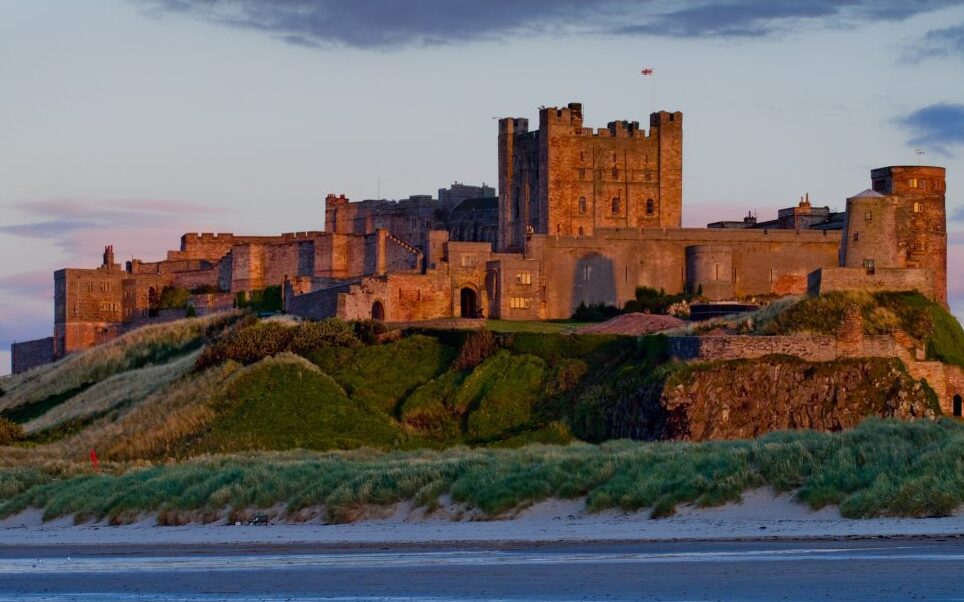

Perched majestically on a volcanic outcrop along the stunning Northumberland coastline, Bamburgh Castle is a testament to centuries of history and architectural grandeur. With its breathtaking views of the North Sea and a rich tapestry of past events, this castle is not just a structure but a monument to the region's heritage.
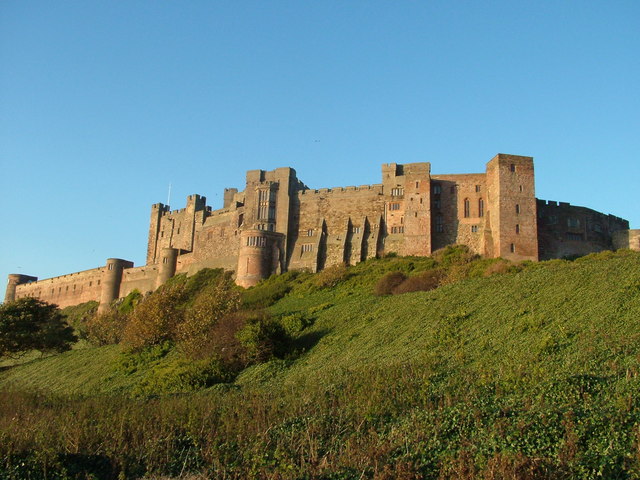
The origins of Bamburgh Castle trace back to the 3rd or 4th century, believed to be the capital of the ancient Briton kingdom of Din Guarie. This early fortification was strategically positioned to oversee important trade routes and defend against invaders. The site has witnessed significant historical events, including the fierce battles between the Saxons and the Scots. By the 11th century, the castle was transformed by the Normans, who constructed the core of the present-day structure. Notably, it was Henry II who commissioned the castle keep, further solidifying its status as a crucial stronghold in England.
The architecture of Bamburgh Castle is a captivating blend of Norman and Gothic styles. The imposing stone walls, towering battlements, and intricate archways reflect the military might of its past. One of the most notable features is the impressive keep, which stands as a symbol of the castle's strategic importance. Inside, visitors can explore rooms adorned with exquisite artifacts, including the Bamburgh Sword, a 7th-century relic discovered during archaeological excavations. Each room tells a story, from the lavish State Rooms to the more intimate Drawing Room, showcasing the craftsmanship and artistic significance of the era.
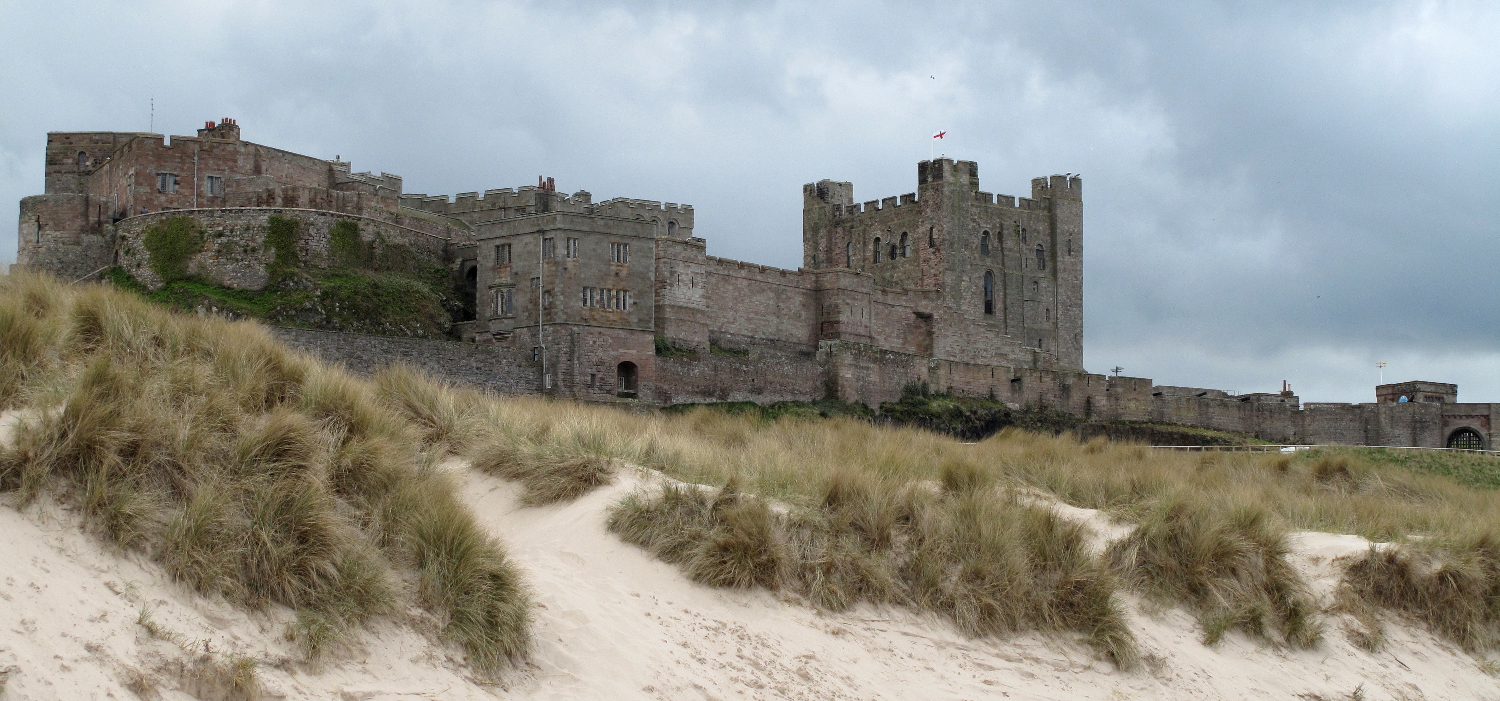
Local culture and traditions around Bamburgh have been shaped by the castle's storied past. The nearby village embraces a strong sense of community, marked by festivals celebrating local heritage. The Bamburgh Castle Fire Festival, typically held in November, showcases traditional music, dance, and the striking sight of bonfires against the castle's silhouette. Additionally, the Bamburgh Sword has become a symbol of pride, with locals often sharing tales of its discovery and the rich history it embodies.
When it comes to gastronomy, Northumberland offers a delightful array of local foods that reflect the region's landscape. Visitors can savor Stottie Cake, a dense bread that pairs perfectly with hearty fillings like ham or pease pudding. For those with a sweet tooth, Cranachan, a traditional Scottish dessert made with oats, cream, and raspberries, is a must-try. Additionally, the local ales, such as Wylam Brewery's creations, are celebrated for their robust flavors, making them perfect companions to any meal enjoyed near the castle.
Beyond its well-documented history, Bamburgh Castle holds lesser-known curiosities that add to its allure. One fascinating detail is the castle's connection to Grace Darling, a Victorian heroine who famously rescued shipwreck survivors from the treacherous waters off Longstone Lighthouse. Her bravery is commemorated in local lore, and visitors can learn more about her story at the nearby Grace Darling Museum. Another intriguing fact is that the castle served as a filming location for various movies and television series, including the popular series "The Last Kingdom," bringing its history to life for new audiences.
For those planning a visit to Bamburgh Castle, the best time to explore is during the late spring to early autumn months when the weather is mild, and the gardens surrounding the castle are in full bloom. To make the most of your experience, consider participating in guided tours that often provide insights into lesser-known stories about the castle and its inhabitants. Be sure to look up at the stunning ceilings in the Great Hall and don’t miss the panoramic views of the coastline from the castle's ramparts.
Whether you are a history enthusiast, a culture buff, or simply someone seeking a picturesque escape, Bamburgh Castle offers a rich experience steeped in the essence of Northumberland. Plan your visit with the Secret World app to craft a personalized itinerary that uncovers the hidden gems of this remarkable destination.


