


The smell of roasted agave hits you even before you enter the palenque. In the valleys surrounding Oaxaca de Juárez, in the Mexican state of Oaxaca, dozens of artisanal distilleries produce mezcal using methods that have remained largely unchanged for centuries. Here, the process begins with the cooking of the piñas — the hearts of the agave — in holes dug in the ground, lined with volcanic stones, where they are smoked for three to five days before being crushed with a stone mill called tahona, traditionally pulled by a horse or a mule.
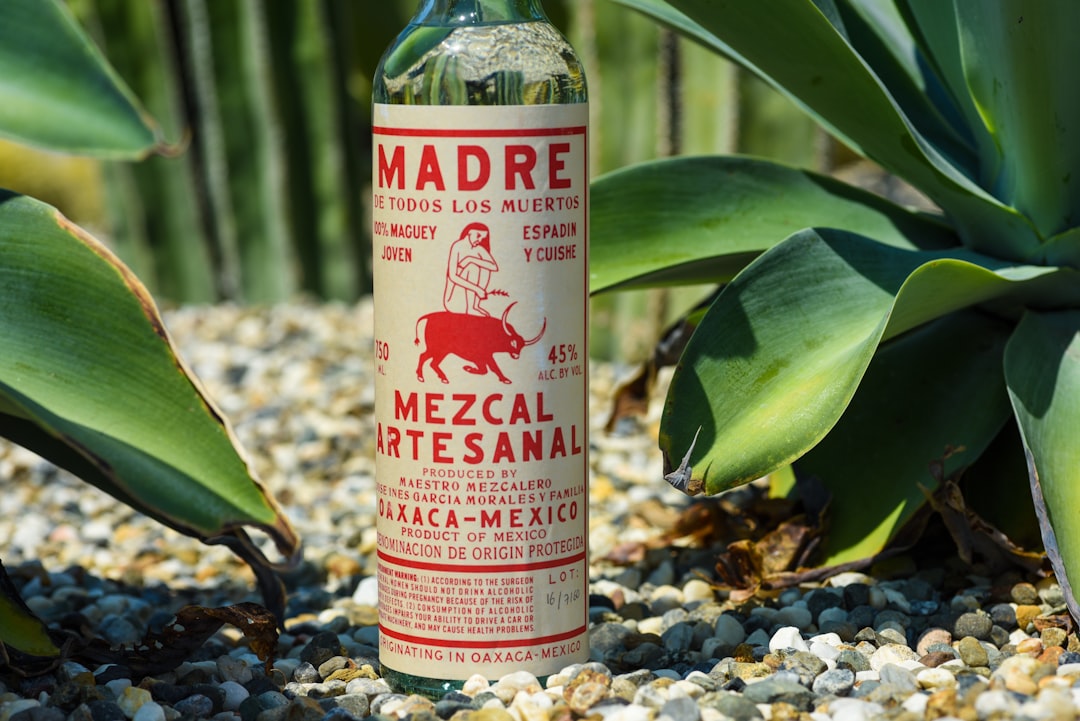
Oaxaca is the most important region for mezcal production in Mexico, with over 70% of the certified national production coming from this state. Unlike tequila, which uses only blue agave, Oaxacan mezcal can be produced from numerous varieties of wild and cultivated agave, each with distinct aromatic characteristics. This makes it, in terms of organoleptic complexity, a distillate comparable — for depth of terroir — to certain natural wines of volcanic origin.
The varieties of agave and the concept of terroir

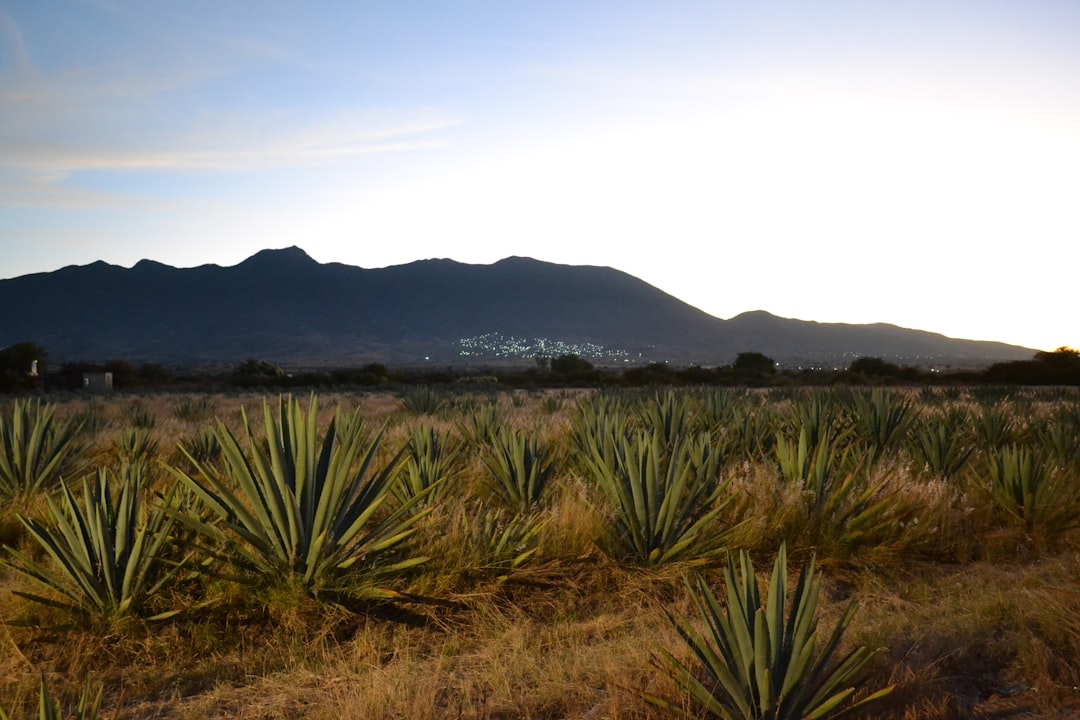
Those who visit the palenques of the Oaxaca valley quickly discover that talking about mezcal as a uniform product is a mistake. The main varieties used include Espadín (Agave angustifolia), the most common and with maturation times of 7-10 years, Tobalá (Agave potatorum), a wild plant that grows at high altitudes and requires up to 15 years to mature, and Tepeztate (Agave marmorata), which can take 25-35 years before being harvested. Each variety produces completely different aromatic profiles: Espadín tends to smoky and vegetal notes, Tobalá offers floral and fruity complexity, while Tepeztate has an herbaceous and almost mineral structure.
The terroir — a concept borrowed directly from the world of wine — plays a decisive role. The altitude of the city of Oaxaca is about 1,550 meters above sea level, but some production areas in the Sierra Juárez exceed 2,000 meters. The composition of the soil, the temperature range, and solar exposure directly influence the concentration of sugars in the plant and, consequently, the final profile of the distillate. Local artisanal producers often own specific plots, just like winemakers, and the geographical origin is an integral part of the product's identity.
The tasting experience in palenques
The tasting in a craft palenque is very different from a visit to a conventional winery. The maestro mezcalero — a figure that in many cases represents the third or fourth generation of the same family — pours the mezcal directly from a clay or wooden container into small glasses called jícaras, made from dried gourds. The ritual involves pouring a few drops onto the palm of the hand, rubbing and smelling to evaluate the warm aromas, then tasting slowly in small sips.

Craft mezcals often have alcohol content between 45 and 55 degrees, higher than commercial spirits, because they are not diluted with water to standardize the alcohol content. On the palate, the smoky notes derived from pit cooking, the herbal components of the agave, and depending on the variety, notes of dried fruit, flowers, bitter chocolate, or resin are clearly distinguishable. Some producers offer comparative tastings between different varieties and vintages, allowing one to appreciate the differences as in a vertical tasting of wines.
How to organize the visit
The most visited palenques are located along the road that connects Oaxaca de Juárez to the villages of Matatlán — which self-proclaims to be the world capital of mezcal — and Miahuatlán, about 45-60 minutes by car from the city. Many organized tours depart from the city of Oaxaca in the morning and include visits to two or three distilleries, with tastings and explanations of the production process. The cost of an organized tour typically ranges from 600 to 1,200 Mexican pesos per person, equivalent to about 30-60 euros, depending on the number of palenques included and the level of customization.
Practical advice: the best time to visit the palenques is in the morning, when the master mezcaleros are often actively working on production and you can observe all stages of the process. Avoid going during the local holiday period in November, when many palenques reduce production. If you prefer to move independently, rent a car in Oaxaca — public transport to the production villages is limited and infrequent. Bring water and light food with you, as some distilleries are located in rural areas without nearby services.
What to bring home
Buying mezcal directly at the palenque often means accessing productions that are not exported and are not found in stores. Prices range from about 300 pesos for a bottle of artisanal Espadín to over 2,000 pesos for rare varieties like Tepeztate or Tobalá. The bottles are often sealed with cork and wax, and the label indicates the name of the master mezcalero, the variety of agave, the production village, and the alcohol content — information that, like in the labeling of natural wines, tells the whole story of the product.
Before purchasing large quantities, check the customs regulations of your country of residence regarding the importation of alcoholic beverages. Generally, for travelers arriving in Italy from outside the European Union, the duty-free limit is one liter of spirits, but it is possible to purchase larger quantities by paying the relevant duties upon arrival.


