

← Back
Art, Theaters and Museums 📍 Bucchianico, Italy 152 views
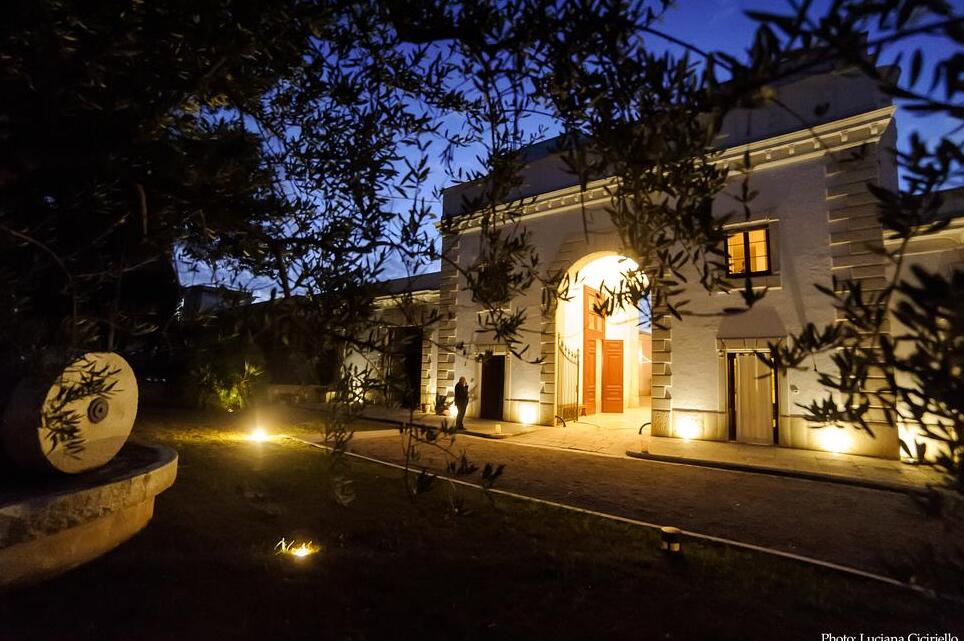
Oil Museum and Historical Oil Mill Terre di Traiano
Nestled in the picturesque region of Bucchianico, the Museo dell'Olio e del Frantoio Storico Terre di Traiano offers a deep dive into the rich history and cultural significance of olive oil production in Italy. The site itself is a testament to the agricultural traditions that ha...
Oil Museum and Historical Oil Mill Terre di Traiano — Bucchianico, Italy.
About Oil Museum and Historical Oil Mill Terre di Traiano
✦ Secret World · suggested day
A perfect day in Bucchianico
Start with Oil Museum and Historical Oil Mill Terre di Traiano, then continue with nearby places selected by Secret World.
-
01MorningOil Museum and Historical Oil Mill Terre di TraianoStart here
-
02Afternoon
-
03Evening
Collect this place
Turn places you discover into stamps in your Secret Passport.
Keep exploring · Bucchianico
Frequently Asked Questions
Experiences nearby · Bucchianico
Powered by Viator
See more on Viator.com


