
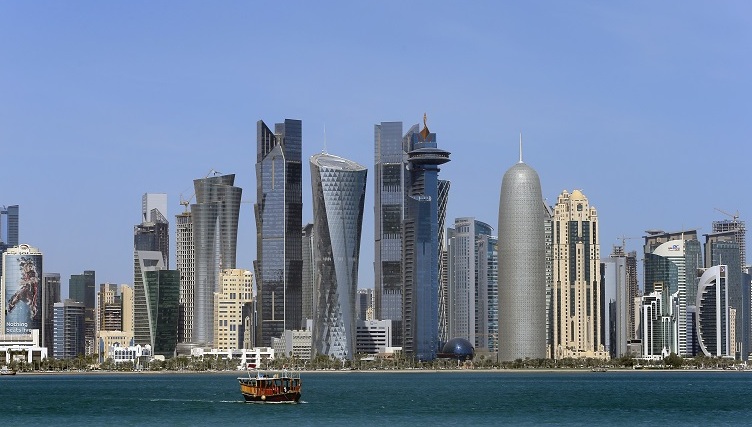

Doha is a city where the future meets the past, creating a mesmerizing tapestry of culture and modernity. Nestled along the coast of the Persian Gulf, Doha, the capital of Qatar, has transformed itself from a modest fishing and pearl diving village into a bustling metropolis, earning its place as one of the New 7 Wonders Cities.
The story of Doha begins long before the gleaming skyscrapers and luxury shopping malls. Its ancient roots can be traced back to the 4th century BC when it was known as Al-Bida. The city truly began to take form in the 18th century when the Al Thani family established their rule, laying the foundation for modern Qatar. The discovery of oil in the 20th century marked a pivotal turning point, catapulting Doha into a new era of prosperity and development. Yet, it is not just oil wealth that defines Doha; it's a city that embraces its past while confidently stepping into the future.
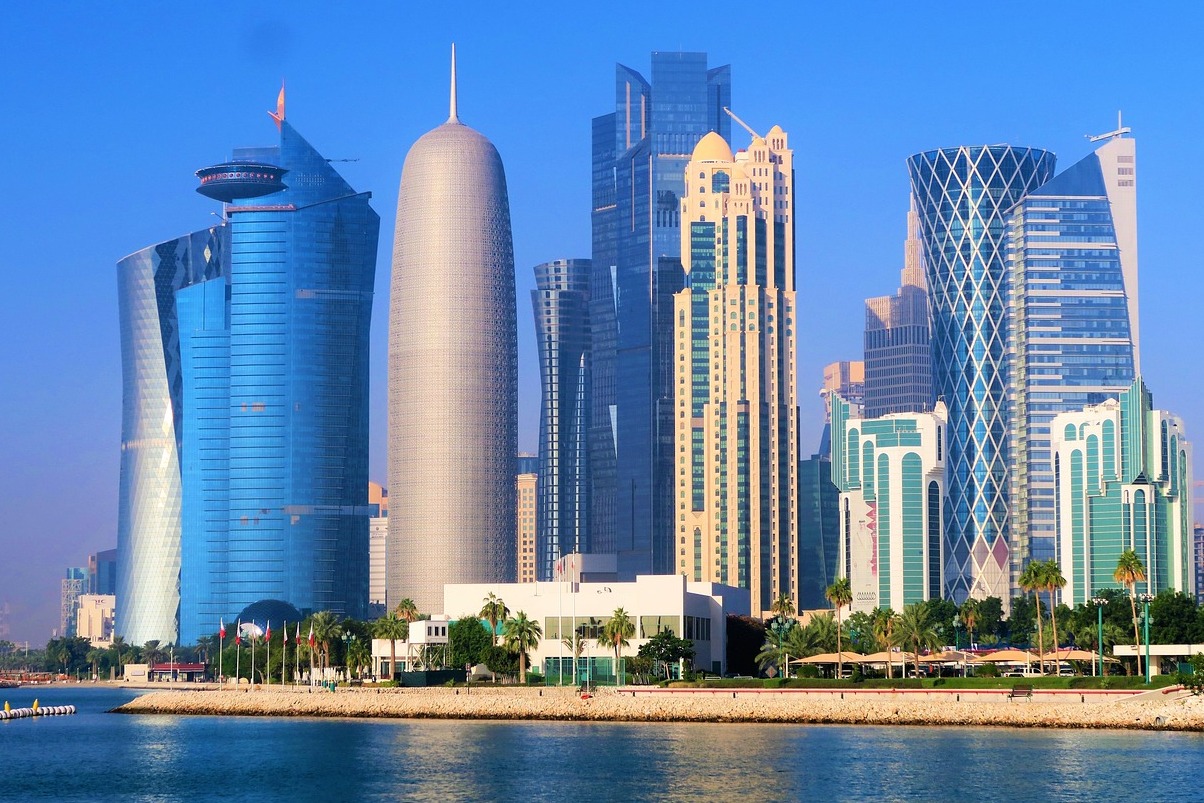
Doha's skyline is a spectacular display of innovative architecture that rivals any global city. The Museum of Islamic Art, designed by the renowned architect I.M. Pei, stands as a testament to Qatar’s commitment to culture and history. Its geometric, fortress-like structure is inspired by traditional Islamic architecture, housing a vast collection of artifacts that span over 1,400 years. Just a short drive away, the Qatar National Library offers a modern counterpart with its futuristic design by Rem Koolhaas, serving as a beacon of knowledge and education.
Art in Doha is not confined to museums; the city itself is a canvas. The Katara Cultural Village is a vibrant hub where traditional and contemporary art collide. Here, visitors can explore art galleries, theaters, and amphitheaters that host performances and exhibitions throughout the year. The colorful Souq Waqif is not just a marketplace; it's a living gallery of local craftsmanship, where artisans create intricate textiles and stunning jewelry.
A visit to Doha offers a deep dive into local culture and traditions. The city’s heart beats in its festivals, such as the Qatar National Day on December 18th, which celebrates the country's unification with parades, fireworks, and cultural displays. The Eid al-Fitr festival, marking the end of Ramadan, is another occasion where the city comes alive with communal prayers and feasting. Traditional sports like camel racing and falconry are still cherished, offering a glimpse into the Bedouin heritage of the region.
When it comes to gastronomy, Doha serves a tantalizing array of flavors that reflect its diverse population. Machboos, a spiced rice dish with meat or fish, is a staple that captures the essence of Qatari cuisine. Another must-try is Harees, a creamy porridge made with wheat and meat, often enjoyed during Ramadan. For those with a sweet tooth, Luqaimat—small, golden doughnuts drizzled with date syrup—are a delightful treat. Doha's culinary scene is an adventure, blending traditional Middle Eastern dishes with international influences.
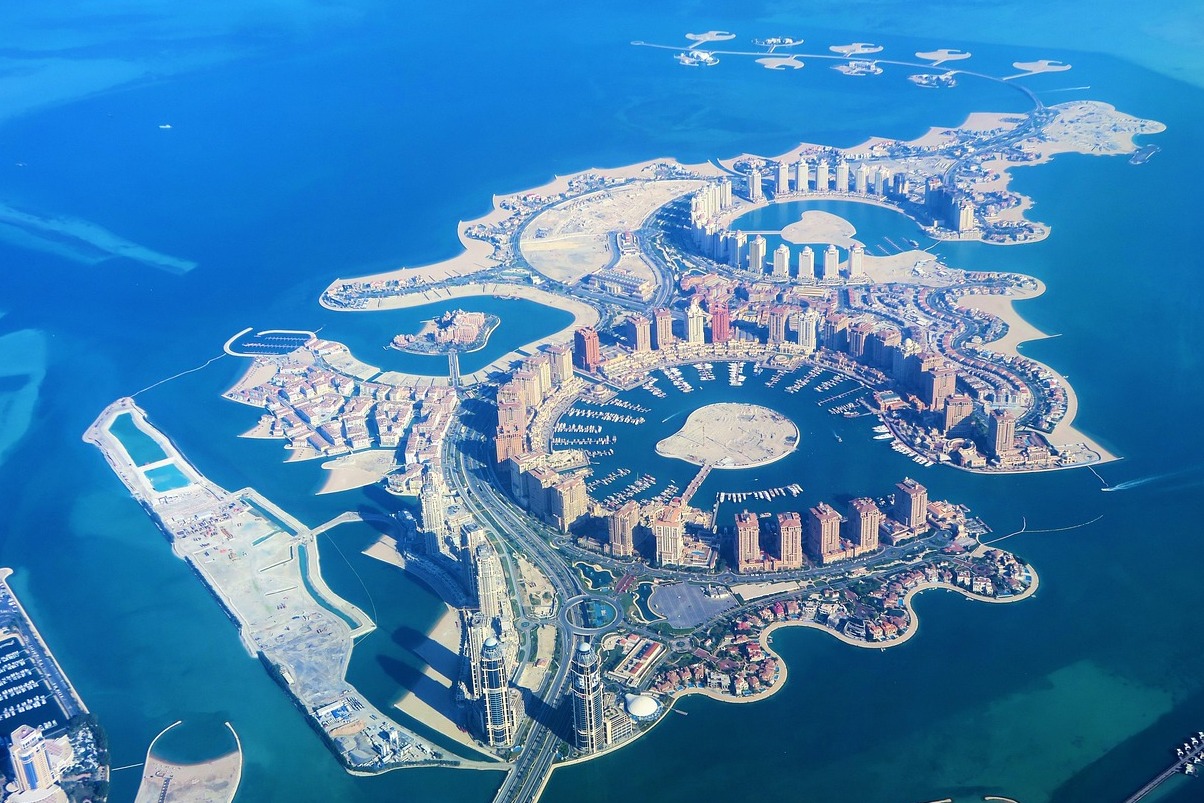
Beyond the well-trodden paths lie lesser-known curiosities that add to Doha's allure. Few tourists know that beneath the desert sands lies the Al Zubarah Archaeological Site, a UNESCO World Heritage site that offers a glimpse into a once-thriving pearl trading town. Meanwhile, the Pearl-Qatar is an artificial island that showcases Doha's ambitious urban planning, with its opulent marinas and residential towers.
For those planning a visit, the best time to explore Doha is between November and March, when the weather is pleasantly cool. To truly experience the city, wander through the labyrinthine alleys of Souq Waqif in the evening, when the market buzzes with life. Visitors should also take the time to enjoy a traditional dhow cruise along the Corniche, offering breathtaking views of the skyline at sunset.
In Doha, every corner invites discovery, from its historic roots to its modern marvels. It's a city that celebrates its past while looking forward to a vibrant future, making it a destination that captivates and inspires.


