

Nestled in the heart of modern Torre Annunziata, the archaeological site of Oplontis unveils a world steeped in history and grandeur. This ancient locality, identified primarily through the Tabula Peutingeriana, connects to the rich tapestry of Roman life between Pompeii and Herculaneum. The site offers a glimpse into the opulence of the Roman elite, most notably through the Villa of Poppea, which draws visitors eager to explore its storied past.
The roots of Oplontis can be traced back to the middle of the 1st century BC. The villa, commonly associated with Poppaea Sabina, the second wife of Emperor Nero, was a symbol of wealth and power. Archaeological excavations have revealed that this luxurious residence was in the midst of restoration when the catastrophic eruption of Mount Vesuvius in AD 79 buried it beneath layers of volcanic ash. This event not only preserved the villa's stunning frescoes and mosaics but also provided a time capsule of Roman domestic life.
Upon entering the Villa of Poppea, visitors are greeted by an architectural marvel showcasing the elegance of Roman design. The villa features a sprawling layout that includes grand reception areas, intricate gardens, and beautifully decorated rooms. The use of opus signinum, a waterproof flooring technique, and vividly painted walls adorned with scenes from mythology reflect the sophistication of the era. Notable artworks include the famous frescoes depicting mythological themes, which reveal the aesthetic ideals and cultural values of the time.
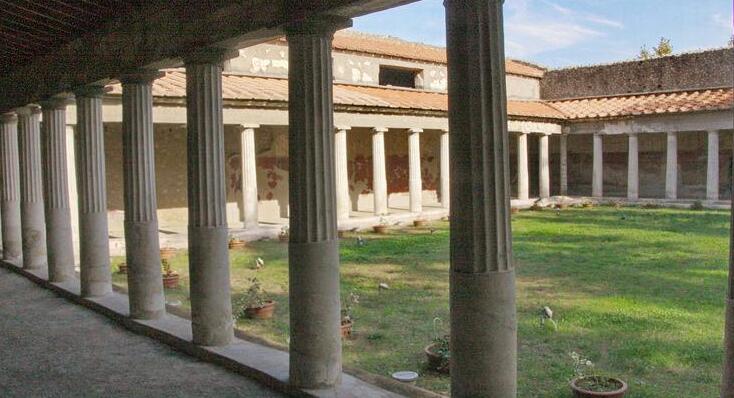
The villa's artistic significance extends beyond its decorative elements; it serves as a testament to the lifestyle of Rome's elite. The careful arrangement of space, light, and color exemplifies the Roman pursuit of beauty and harmony. The peristyle—a columned courtyard—invites visitors to imagine leisurely afternoons spent among nature and art, embodying the essence of Roman leisure.
Beyond its historical and architectural significance, Torre Annunziata is a vibrant town steeped in local culture and tradition. The annual Sagra di San Giuseppe, held in March, is a testament to the town's enduring customs. During this festival, locals prepare traditional dishes in honor of Saint Joseph, showcasing the region's agricultural wealth and culinary heritage. The event fosters a sense of community, as families gather to share food, music, and laughter, preserving their cultural identity.
Speaking of culinary delights, Torre Annunziata is renowned for its exceptional gastronomy. The area is particularly famous for its pizza, which reflects the Neapolitan tradition with a unique twist. Visitors must not miss trying pizza a portafoglio, a folded pizza perfect for enjoying on the go. Additionally, the local seafood is a highlight, especially dishes like spaghetti alle vongole (spaghetti with clams) and frittura di pesce (fried fish), which celebrate the town’s coastal roots.
For those seeking lesser-known curiosities, Oplontis holds many surprises. One intriguing fact is that while the villa is often overshadowed by its more famous neighbors, it offers a more intimate glimpse of Roman life, with fewer crowds. Additionally, the nearby rustic villa linked to L. Crassius Tertius revealed a treasure trove of gold and silver coins, hinting at the wealth that once flowed through this region. The stories of the victims found in these ruins serve as haunting reminders of the eruption's impact on daily life.
When planning a visit to Oplontis, the best time to explore is during the spring and fall months when the weather is mild and conducive to walking. Early mornings or late afternoons are ideal for avoiding crowds and basking in the tranquil atmosphere of the ruins. Visitors should take time to appreciate the intricate details of the frescoes and the layout of the villa, allowing for a deeper understanding of the site’s significance.
To enhance your experience in Torre Annunziata and uncover more hidden gems, consider using the Secret World app to create a personalized itinerary that caters to your interests.


