



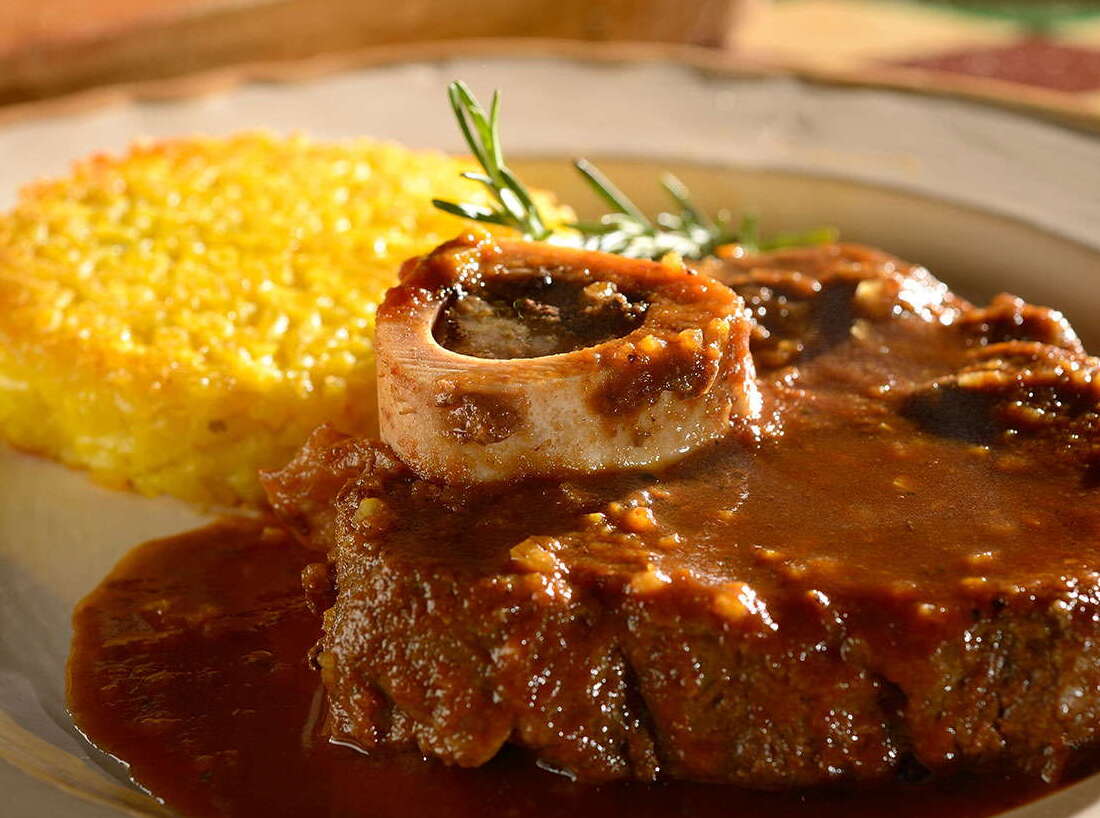
In the heart of Milan, a culinary gem awaits: ossobuco alla milanese. This beloved dish, characterized by its tender meat and rich marrow, offers more than just a meal; it serves as a delicious window into the city's storied past and vibrant culture.
History and Origins
The origins of ossobuco trace back to the 18th century, when it was first prepared for the noble families of Milan. The name itself derives from the Italian words “osso” (bone) and “buco” (hole), referring to the bone marrow that is a highlight of the dish. Historical records suggest that this dish was not merely sustenance but a symbol of affluence and a testament to the culinary artistry of the time.
Milan has always been a crossroads of culture and commerce, and the melding of diverse culinary traditions is a reflection of its rich history. The dish was likely influenced by the Austrian and Spanish cuisines that flowed into northern Italy over the centuries. By the mid-20th century, ossobuco gained popularity beyond Milan, becoming a staple in Italian restaurants worldwide, yet it remains a proud emblem of Milanese culinary tradition.
Art and Architecture
Milan is not only renowned for its food but also for its stunning architecture and art. The Duomo di Milano, a gothic masterpiece, towers over the city and reflects the artistic fervor of the 14th century. As you stroll through the Galleria Vittorio Emanuele II, a stunning glass-covered shopping arcade, the artistry is palpable, echoing the craftsmanship found in the preparation of ossobuco itself.
Art extends beyond buildings; the city is home to works by legendary artists like Leonardo da Vinci and Caravaggio. In the Santa Maria delle Grazie, you can find Da Vinci’s iconic mural, The Last Supper, which serves not only as a cultural treasure but also as a reminder of the deep connection between Milanese cuisine and community gatherings, where dishes like ossobuco are often shared.
Local Culture and Traditions
Milanese culture is steeped in traditions that celebrate food and family. Festivals such as Festa di San Giovanni in June showcase the city’s vibrant spirit, where locals gather to enjoy traditional music, dance, and, of course, food. The annual Milano Food Week is a gastronomic celebration, offering tastings, workshops, and the opportunity to explore Milan’s culinary landscape, with ossobuco often taking center stage.
In daily life, the aperitivo tradition is a cherished custom. As the sun sets, locals gather in bars and restaurants to enjoy a drink along with small plates. This convivial spirit mirrors the communal joy found in enjoying a hearty plate of ossobuco, often served alongside risotto alla milanese—another local classic featuring saffron.
Gastronomy
Ossobuco is best enjoyed as a main course, typically made with veal shanks that are braised with onions, carrots, and white wine. This slow-cooking method allows the flavors to meld beautifully, resulting in a dish that is both hearty and comforting. The marrow, a delicacy in its own right, adds a rich, unctuous texture that elevates the dish.
While the classic accompaniment is a creamy mashed potato or simply boiled potatoes drizzled with vinaigrette, the pairing with risotto alla milanese creates a culinary experience that is nothing short of spectacular. The bright yellow hue of the saffron-infused risotto contrasts delightfully with the rich flavors of the ossobuco, making it a feast for both the eyes and the palate.
Lesser-known Curiosities
Despite its popularity, ossobuco has some lesser-known stories. For instance, there are regional variations across Italy, with some opting for a tomato-based sauce or adding gremolata—a mixture of lemon, garlic, and parsley—on top for a fresh zing. Moreover, the dish is often associated with family gatherings and Sunday dinners, where recipes are passed down through generations, each adding a personal touch.
Interestingly, the tradition of using veal shanks is deeply rooted in the region’s pastoral heritage. The Lombardy region, where Milan is located, has a long history of cattle farming, making veal not just a culinary choice but a sustainable one rooted in local agriculture.
Practical Visitor Information
The best time to visit Milan for culinary adventures is during the fall, when the harvest season brings fresh ingredients to the table. Be sure to book a table at a traditional trattoria, where you can savor ossobuco prepared in time-honored fashion. Look for eateries that emphasize local ingredients and traditional recipes.
To truly appreciate the dish, consider taking a cooking class that focuses on Milanese cuisine; many local chefs are eager to share their secrets. Additionally, visiting during one of the food festivals can provide insight into the culinary landscape of Milan, where you can sample various interpretations of ossobuco and other local specialties.
As you explore Milan’s culinary delights, remember that each bite of ossobuco connects you to the city’s rich history and vibrant culture. For a tailor-made experience, consider using the Secret World app to plan your personalized itinerary while visiting Milano.
