
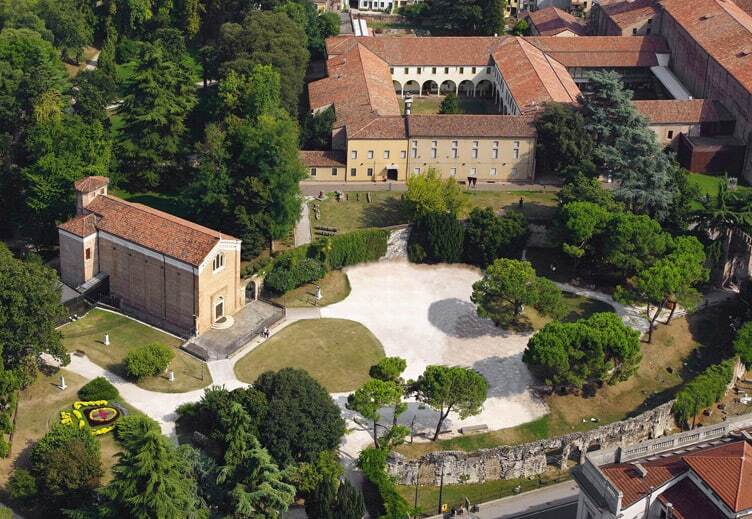

Nestled in the heart of Padua, the Public Gardens of the Arena serve as a vibrant oasis that seamlessly intertwines nature, history, and culture. With their lush greenery and historic significance, these gardens are an essential stop for anyone exploring this enchanting Italian city.
The origins of the Gardens can be traced back to the Roman era, with the Arena, an ancient Roman theatre, dating back to around 70 A.D. This remarkable structure is one of the few remnants of Padua’s illustrious past and stands as a testament to the city's rich historical fabric. The Arena is often overshadowed by its more famous counterparts in other Italian cities, but it offers an intriguing glimpse into the life of ancient Romans who gathered for performances and events here.
As you stroll through the Gardens, the architectural marvels come alive. The Bastione dell'Arena, which forms part of the ancient city walls, provides a stunning backdrop. Constructed during the late 15th century, this bastion is an excellent example of military architecture designed to fortify the city against invaders. Visitors can also glimpse the old Gasometer, a relic of industrial Padua, alongside the navigable Bacchiglione river, which has historically facilitated trade and transport.
Art and architecture are deeply woven into the fabric of the Gardens. Just a stone’s throw away lies the Scrovegni Chapel, built between 1303 and 1305. This chapel is renowned for its breathtaking frescoes painted by Giotto, a pivotal figure in the transition from Byzantine to Renaissance art. The vivid colors and intricate details tell biblical stories, inviting art lovers and casual visitors alike to immerse themselves in the narratives depicted on the walls.
The Eremitani complex further enriches the cultural tapestry of this area. Home to the Eremitani Museum, the former convent showcases an impressive collection of works, including pieces by local masters and important contributions to the Italian Renaissance. The adjacent Church of the Eremitani, dedicated to Saints Philip and James, is a serene spot that complements the artistic and historical richness of the Gardens.
Local culture in Padua thrives in and around the Gardens. The park is a popular gathering place, where locals and visitors enjoy leisurely strolls, picnics, and casual conversations. Festivals often take place here, celebrating everything from the changing of the seasons to traditional Paduan events. The Festa della Madonna in September is particularly notable, drawing crowds who come to honor the city’s patroness with music, food, and vibrant processions.
When it comes to gastronomy, Padua does not disappoint. The local cuisine is a delightful blend of flavors, heavily influenced by the region's agricultural bounty. As you explore the area, be sure to try bigoli, a thick spaghetti-like pasta often served with duck sauce, and risotto al tastasal, a savory rice dish made with seasoned pork. Don’t miss out on regional wines like Prosecco or the robust Bardolino, which pair beautifully with local dishes. For a sweet treat, indulge in a slice of torta di riso, a rice cake that embodies the flavors of Padua.
While many visitors flock to the more famous attractions, the Public Gardens of the Arena hold lesser-known secrets waiting to be uncovered. For instance, the gardens are home to a variety of plant species, some of which are native only to this region. Additionally, the tranquil pathways are often less crowded, providing a peaceful retreat from the bustling city life. If you are lucky, you might stumble upon a local artist capturing the beauty of the gardens on canvas or enjoy impromptu performances by musicians who frequent the area.
The best time to visit the Public Gardens of the Arena is during the spring and early autumn months when the weather is mild, and the flora is in full bloom. Early mornings are particularly lovely, with the soft light filtering through the trees and the cool air inviting leisurely explorations.
For a fulfilling experience, take note of the key sites within the Gardens: the Arena, the Scrovegni Chapel, and the Eremitani complex are must-sees. Bring along a camera to capture the stunning architecture and vibrant scenes, but also take the time to simply sit on a bench and soak in the atmosphere.
Incorporating these elements into your visit will ensure a rich experience steeped in history, art, and local culture. For a tailored itinerary that captures the essence of Padua, consider using the Secret World app to plan your adventure in this remarkable city.


