
← Back

The Old University of Padua

Via 8 Febbraio 1848, 2, 35122 Padova PD, Italia ★★★★☆ 872 views
Lea Sigman
Padova
🏆 AI Trip Planner 2026

Get the free app

Discover the best of Padova with Secret World — the AI trip planner with 1M+ destinations. Get personalized itineraries, hidden gems and local tips. Free on iOS & Android.

🧠 AI Itineraries 🎒 Trip Toolkit 🎮 KnowWhere Game 🎧 Audio Guides 📹 Videos
Download on the App Store Get it on Google Play
Scan to download Scan to download
The Old University of Padua - Padova | Secret World Trip Planner

Nestled in the heart of Padova, the Old University of Padua stands as a testament to centuries of academic excellence and cultural evolution. Founded in 1222, it is the second-oldest university in Italy and the fifth-oldest surviving university in the world, steeped in rich traditions and remarkable historical significance.

The Old University of Padua - Padova | Secret World Trip Planner

### History and Origins The University of Padua was established by scholars who had left the nearby University of Bologna, seeking greater academic freedom. Its founding marked a pivotal moment in the development of higher education in Europe, especially in the fields of law, philosophy, and later, the natural sciences. Over the centuries, the university attracted notable scholars and thinkers, including the famous astronomer Galileo Galilei, who taught here from 1592 to 1610. His revolutionary ideas on heliocentrism shaped the course of scientific inquiry and challenged the established norms of the time.

Key historical events, such as the establishment of the Anatomical Theatre in 1595, further cemented the university's reputation. This theatre became a hub for anatomical study, allowing artists and scientists to observe public dissections, a practice that greatly influenced medical education across Europe.

The Old University of Padua - Padova | Secret World Trip Planner

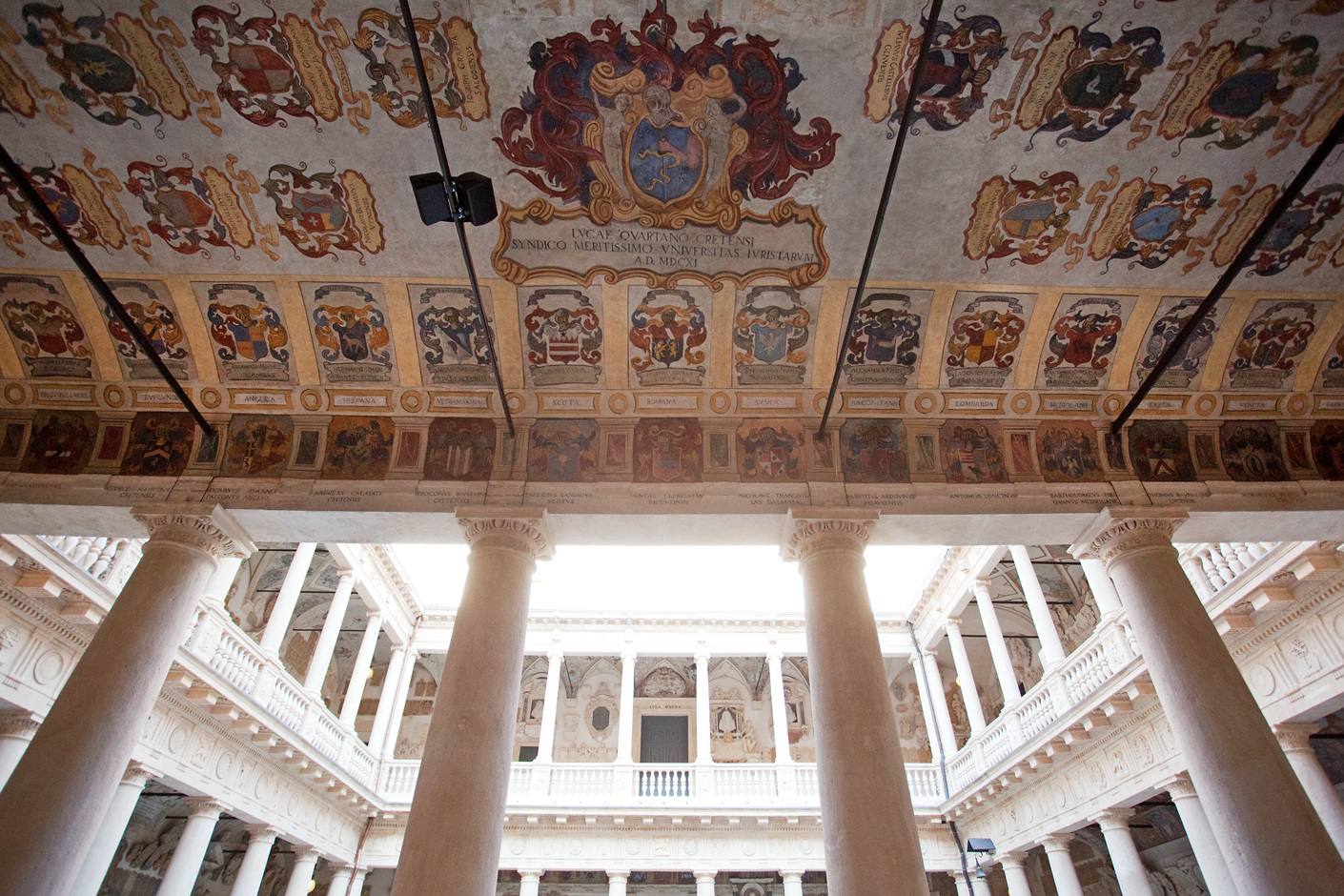
### Art and Architecture The architectural style of the university reflects its long history, featuring a blend of Gothic, Renaissance, and Baroque elements. The Anatomical Theatre, designed by Giovanni Maria Falconetto, is a stunning example of Renaissance architecture. Its wooden interior, adorned with intricate carvings, creates a dramatic setting for dissection demonstrations.

Inside, the Palazzo Bo, the main building of the university, showcases remarkable artworks, including paintings by Giovanni Battista Tiepolo. The grand Great Hall is particularly noteworthy, with its ceiling adorned with allegorical frescoes celebrating the pursuit of knowledge. This fusion of art and education underscores the university's cultural significance.

### Local Culture and Traditions The culture of Padova vibrates with a rich tapestry of traditions, many of which are intertwined with the university's legacy. The annual Festa di Sant'Antonio, celebrated in June, attracts thousands of visitors to honor the city's patron saint. The event features a lively procession, music, and culinary delights, showcasing the warm spirit of the local community.

Moreover, the university's vibrant student life contributes to the city’s cultural scene. Students from diverse backgrounds engage in various activities, from theatre performances to art exhibitions, enriching the local culture and fostering international connections.

### Gastronomy A visit to Padova would be incomplete without indulging in its culinary delights. The region is known for its rich gastronomy, particularly the famous Pasta e Fagioli, a hearty bean and pasta stew that reflects the local agricultural heritage. Another local specialty is Baccalà alla Vicentina, a salted cod dish that showcases the Venetian influence on Padovan cuisine.

For dessert, try the sweet Torta di Mele, a traditional apple pie that perfectly encapsulates the flavors of the region. Pair these delights with a glass of Prosecco, a sparkling wine that hails from nearby Veneto, for a truly immersive experience.

### Lesser-Known Curiosities While many visitors flock to the well-trodden paths of the university, few know about the Botanical Garden of Padua, established in 1545 and recognized as a UNESCO World Heritage site. This garden is one of the oldest in Europe and plays a vital role in the study of plant species.

Another hidden gem is the Caffè Pedrocchi, a historic café frequented by intellectuals, artists, and students alike. Its unique design and vibrant atmosphere make it an excellent spot for a coffee break while soaking in the intellectual ambiance of the city.

### Practical Visitor Information The best time to visit Padova is during the spring (April to June) and fall (September to October) when the weather is mild, and the city's vibrant festivals are in full swing. To maximize your experience, consider visiting during the academic year when the university is alive with student activities.

When exploring the university, prioritize the Anatomical Theatre and the Palazzo Bo, but also take time to wander the nearby streets, where you'll find charming cafes and local artisan shops. Don’t forget to dive into the university's library, home to centuries-old manuscripts and an impressive collection of rare texts.

In a city where every corner tells a story, the Old University of Padua is a cornerstone of cultural and intellectual history, inviting visitors to explore its treasures and experience the legacy of knowledge it continues to cultivate.

For a personalized adventure through Padova’s rich offerings, consider using the Secret World app to plan your itinerary.

🗺 AI Trip Planner

Plan your visit to Padova

Suggested itinerary near The Old University of Padua

MAJ+
500.000+ travelers worldwide
  1. 🌅
    Morning
    The Old University of Padua
    📍 Padova
  2. ☀️
    Afternoon
    Pedrocchi Coffee
    📍 0 km da Padova
  3. 🌆
    Evening
    Best Trip Planner Padova 2026: Guide to Visiting the City
    📍 0.1 km da Padova

Buy Unique Travel Experiences

Powered by Viator

See more on Viator.com

Explore nearby · Padova
