


Nestled in the heart of Porto, the Palácio da Bolsa stands as a testament to the city’s rich economic and cultural heritage. This grand building was constructed in the 19th century, following the Siege of Porto in 1832 which devastated the original Church of São Francisco. The decision to erect a new stock exchange was pivotal, symbolizing the city’s resilience and ambition for economic revival. The exterior, completed by 1850, showcases a stunning Neoclassical design that captures the eye of every passerby, yet it is the interior that truly captivates visitors. As you step inside, you are enveloped in a world of intricate sculptures, decorative carvings, and frescoes that tell tales of Porto's storied past, crafted by some of the era's most skilled artisans.
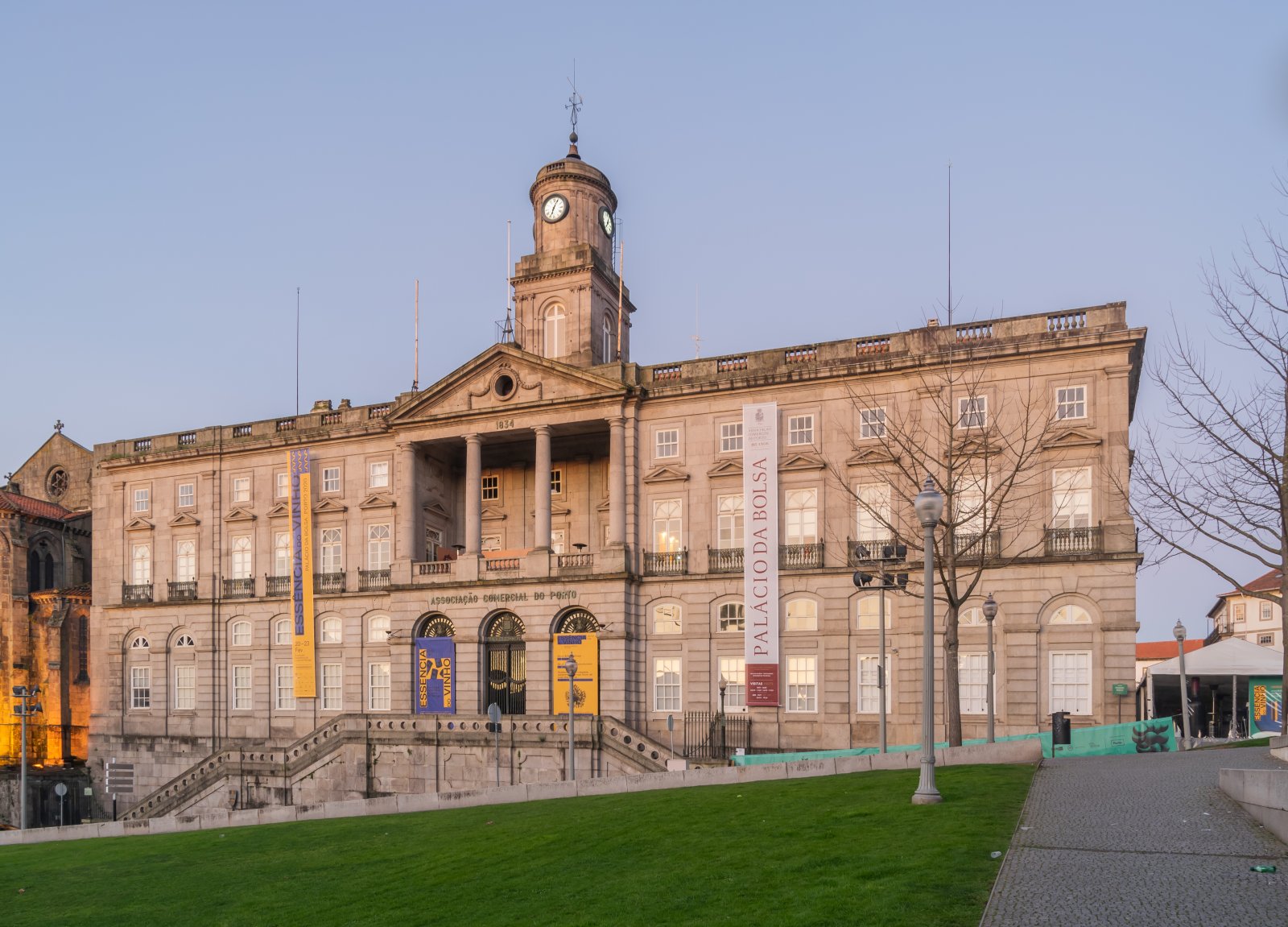
The architecture of Palácio da Bolsa is a blend of styles, reflecting the eclectic tastes of its time. Designed by José da Costa e Silva, the building features a grand entrance with majestic columns and an impressive staircase leading to the Hall of Nations, often regarded as the pièce de résistance. The Hall is adorned with chandeliers, tiles, and murals that celebrate the city’s maritime heritage and trade history. One of the notable artworks is the magnificent Arab Room, with its Moorish-inspired decorations, providing a glimpse into the cultural exchanges that shaped Porto.
Local customs and traditions are deeply interwoven with the fabric of Palácio da Bolsa. It is not just an architectural marvel; it also serves as a venue for various cultural events and festivals, including the Festa de São João, celebrated every June. This vibrant festival fills the streets of Porto with music, fireworks, and the joyous clang of hammers as locals hit each other with soft plastic hammers in a playful tradition. Such events highlight the importance of community and the enduring spirit of Porto’s residents.
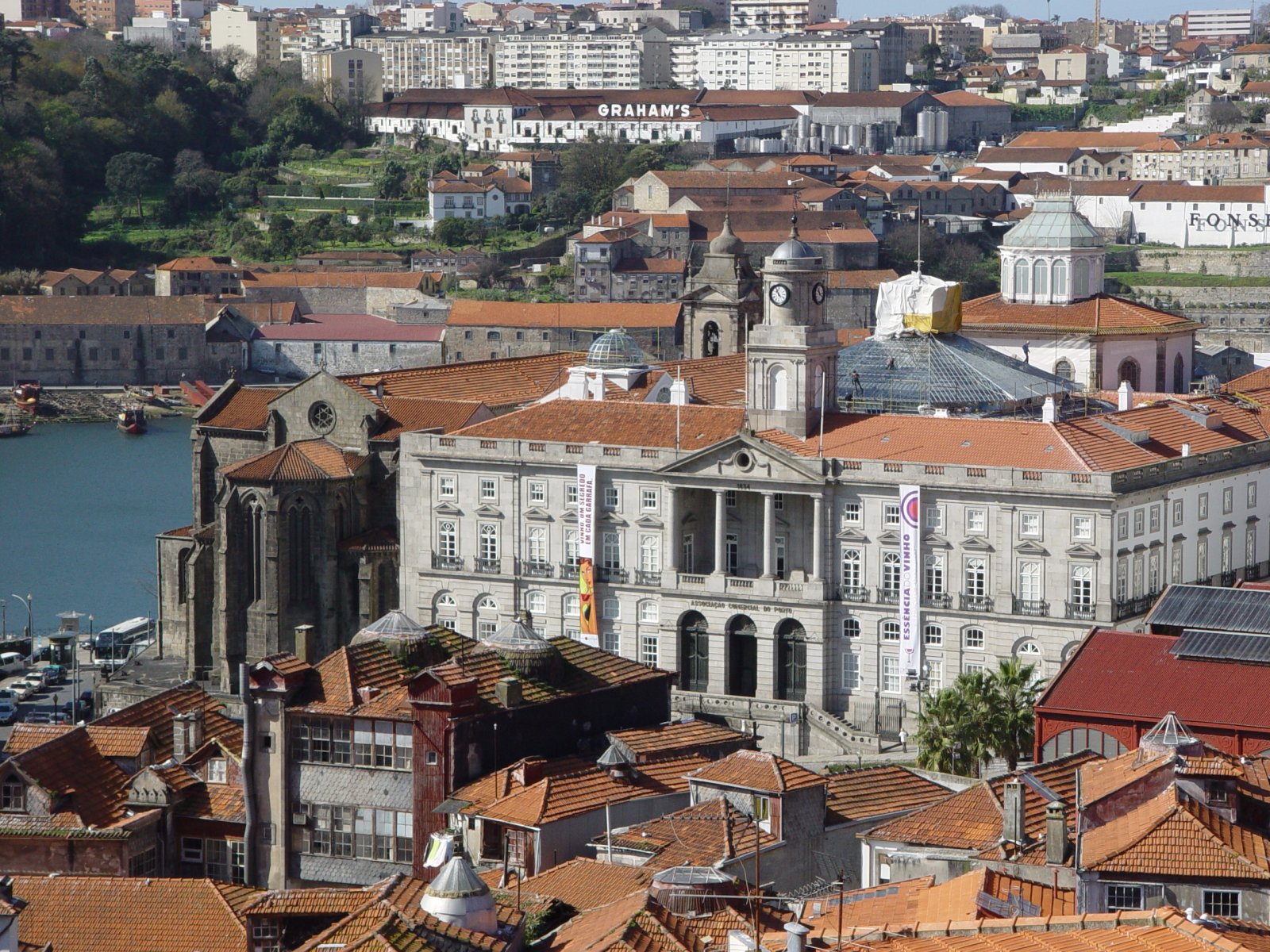
No visit to Palácio da Bolsa is complete without indulging in the local gastronomy. The building itself is surrounded by a myriad of restaurants and cafes where you can savor Francesinha, a hearty sandwich layered with meats and covered in a spicy tomato beer sauce, or sample Port wine, the city’s signature drink. Pair your meal with Pastéis de Nata, a custard tart that offers a sweet contrast to the savory flavors of the region. These culinary delights not only satisfy the palate but also connect visitors to the rich traditions of Porto.
For those who think they know everything about Palácio da Bolsa, there are hidden curiosities waiting to be uncovered. The meticulously crafted Arab Room was inspired by the Iberian Peninsula's Islamic architecture, reflecting the historical influences that permeated Porto during the Age of Discovery. Additionally, the building once housed the Portuguese Stock Exchange and has been a site for significant economic negotiations. One lesser-known fact is that the light fixtures in the hall are made of Murano glass, a nod to the city’s connections with Italy through trade.
To fully appreciate the magnificence of Palácio da Bolsa, the best time to visit is during the spring or fall when the weather is temperate, and the crowds are manageable. Guided tours are available, offering insights into the building's history and architectural features. Pay special attention to the details in the Arab Room and the stunning Hall of Nations, where the echoes of history resonate in every corner.
In summary, Palácio da Bolsa is more than just a historical building; it is a vibrant representation of Porto’s economic and cultural journey. A visit here is not just about viewing architecture but experiencing the essence of a city that has thrived through adversity, celebrated its traditions, and continued to embrace its unique identity.
For a more personalized experience in Porto, consider using the Secret World app to craft your own itinerary!


