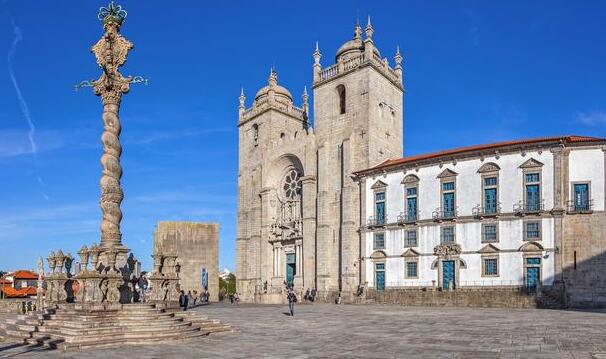

Perched majestically on a hill overlooking the vibrant city of Porto, the Porto Cathedral (Sé do Porto) is not just an architectural marvel but a profound testament to the city’s rich heritage. This 12th-century edifice, a harmonious blend of Romanesque, Gothic, and Baroque styles, stands as one of the most important tourist sights in Porto, drawing visitors with its historical significance and artistic depth.
### History and Origins The roots of the Porto Cathedral trace back to the 12th century, when it was initially constructed under the auspices of Count Henry of Portugal and his wife, Countess Teresa. As the site of the city’s first bishopric, it played a pivotal role in establishing Christianity in northern Portugal. Over the centuries, the cathedral has witnessed numerous key historical events, including the Reconquista and various conflicts that shaped the nation’s destiny. Its strategic location made it a crucial point for both defense and worship, symbolizing the resilience of the Porto community.
### Art and Architecture The architectural style of the Porto Cathedral is primarily Romanesque, characterized by its sturdy structure, thick walls, and semi-circular arches. However, various renovations over the centuries have introduced elements of the Gothic and Baroque styles, creating a fascinating amalgamation. The cathedral’s rose window, a stunning display of stained glass, and its intricately carved chapels serve as a testament to the artistic endeavors of different eras.
Inside, visitors can marvel at the altarpiece by Nuno Gonçalves, a significant piece representing the Portuguese Renaissance, which adds to the cathedral’s artistic significance. The cloister, adorned with beautiful tiles (azulejos), narrates biblical stories and offers a serene escape from the bustling city outside.
### Local Culture and Traditions The cultural importance of the Porto Cathedral is evident in the local customs and festivals that revolve around it. The Feast of São João, celebrated on June 23rd, brings the streets of Porto to life with vibrant music, dancing, and fireworks, culminating in a massive celebration at the cathedral. Locals often bring grilled sardines and other traditional dishes to share, emphasizing the communal spirit of the event.
Additionally, the cathedral is a key site for weddings and other religious ceremonies, reinforcing its role as a cornerstone of local life. The procession of the Holy Spirit is another significant event that draws crowds, showcasing the intertwining of faith and community.
### Gastronomy No visit to Porto is complete without indulging in its rich gastronomy, and the proximity of the Porto Cathedral to local eateries makes it an ideal starting point. Francesinha, a hearty sandwich filled with various meats and smothered in a spicy sauce, is a must-try dish. Pair it with a glass of Port wine, a local specialty that reflects the city’s winemaking heritage.
For a lighter option, try the bacalhau à brás, a delicious codfish dish prepared with onions, eggs, and fried potatoes, often found in nearby taverns. Don’t miss out on tasting pastéis de nata, the iconic Portuguese custard tart, perfect for a sweet ending to your culinary adventure.
### Lesser-Known Curiosities While the iconic façade and towering spires of the Porto Cathedral attract numerous visitors, some hidden gems may be overlooked. For instance, the cathedral’s bell tower, known as the Torre da Sé, offers one of the best panoramic views of Porto. Climbing its winding staircase rewards you with breathtaking vistas of the Douro River and the city’s colorful rooftops.
Additionally, the cathedral’s interior houses a crypt that is often less frequented by tourists. Here, you can discover the ancient history of the site through Roman relics and artifacts that speak to its long-standing significance.
### Practical Visitor Information The best time to visit the Porto Cathedral is during the spring (April to June) or fall (September to October) when the weather is mild, making it perfect for exploration. Aim to arrive early in the morning or late afternoon to avoid crowds and capture the stunning light illuminating the cathedral’s façade.
When visiting, take a moment to appreciate the intricate details in the architecture, the stunning artwork, and the tranquil surroundings of the cloister. Don’t forget your camera; the Porto Cathedral is an Instagram-worthy destination!
In conclusion, the Porto Cathedral is not just a sight to behold; it is a gateway into the rich tapestry of Porto’s history, art, and culture. To maximize your experience in this enchanting city, consider using the Secret World app to create a personalized itinerary tailored to your interests.
