
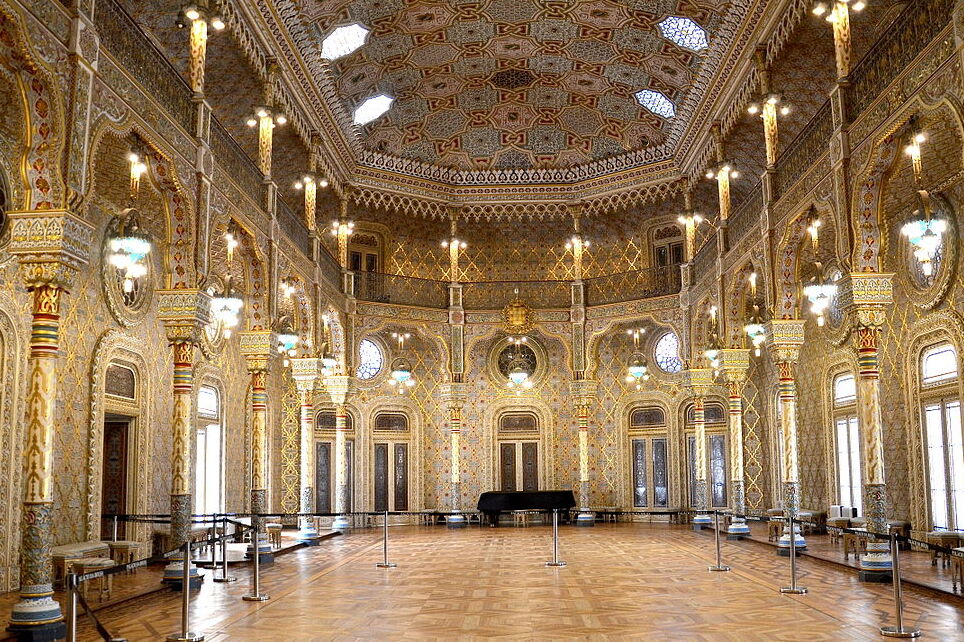

Porto, a city renowned for its rich history and stunning architecture, holds within its heart the magnificent Stock Exchange Palace (Palácio da Bolsa). This architectural marvel is not only a testament to the city’s economic ambitions of the 19th century but also a vibrant cultural hub that pulsates with the stories of the past.
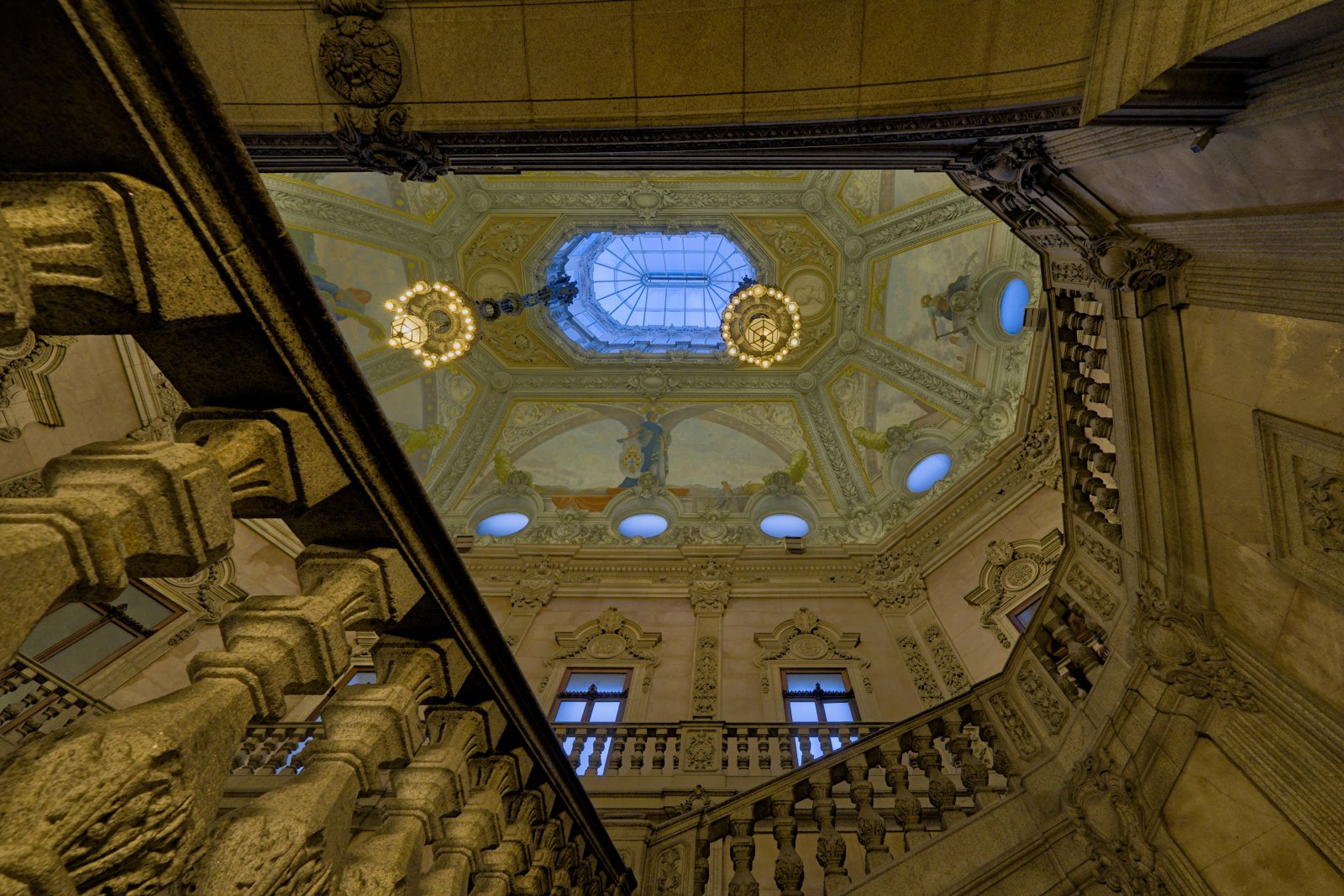
The origins of the Palácio da Bolsa date back to 1842, when the Commercial Association of Porto sought to create a venue that would symbolize the city’s economic prowess. At that time, Porto was experiencing a surge in trade, and the need for a grand structure to attract European businessmen was paramount. Completed in 1891, the palace was built on the site of an old convent, and its construction showcased the city’s aspirations to become a central player in international commerce. In 1996, the palace was declared a national monument and listed as a UNESCO World Heritage Site, reinforcing its significance in Portugal’s cultural narrative.
Architecturally, the Palácio da Bolsa is a stunning blend of neoclassical and Moorish influences, which is evident in its intricate details and grandiose design. The grand entrance features a magnificent neoclassical façade, while the interior boasts elaborate Arabesque motifs, reflecting the influence of Islamic design. One of the most breathtaking spaces within the palace is the Hall of Nations (Salão Árabe), adorned with dazzling stained glass and ornate plasterwork, reminiscent of the splendor of the Moorish era. Here, visitors can marvel at the delicate craftsmanship that has stood the test of time.
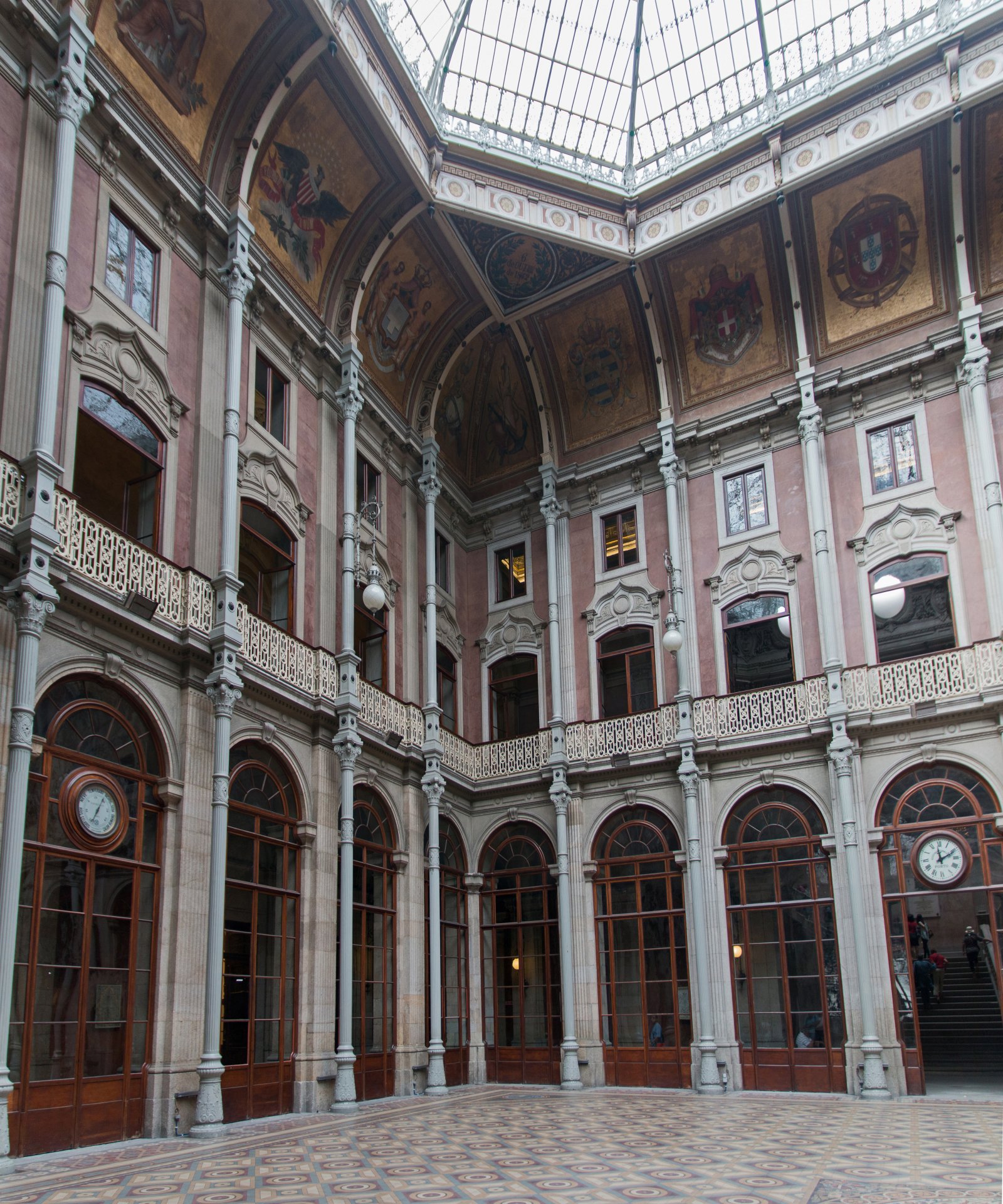
Art plays a crucial role in the palace’s identity. Among its notable artworks is the “The Allegory of the Commerce” mural by José de Brito, which captures the spirit of trade and prosperity. The palace also houses various works that celebrate the city’s maritime history, emphasizing Porto’s longstanding connection with the sea. Art enthusiasts will find the mix of historical art and architectural beauty captivating, as it provides insight into the cultural ethos of the region.
The local culture surrounding the Palácio da Bolsa is vibrant and steeped in tradition. Porto is famous for its São João Festival, celebrated every June, where locals and tourists alike participate in a night of revelry, fireworks, and street parties. The palace often serves as a backdrop for various cultural events, including concerts and exhibitions that highlight the rich artistic heritage of the area. The fusion of modern and traditional Portuguese customs is palpable in the streets surrounding the palace, where one can often find local artisans showcasing their crafts.
When visiting Porto, the culinary scene is not to be missed. The city is renowned for its francesinha, a hearty sandwich layered with various meats, covered in a rich tomato and beer sauce, often served with a side of fries. Pair this with a glass of Port wine, the region’s most famous export, to truly savor the local flavors. Many restaurants near the Palácio da Bolsa offer traditional Portuguese dishes, allowing visitors to indulge in the gastronomic delights of the region.
Beyond its architectural majesty, the Palácio da Bolsa is filled with lesser-known curiosities. For instance, the Hall of Nations was used for the first ever meeting of the Portuguese Republic in 1910, marking a pivotal moment in the nation’s history. Additionally, the palace’s impressive iron gates were crafted by the same artisans who built the Iron Bridge in Porto, showcasing the city's exceptional craftsmanship. Another fascinating detail is the thrilling ghost stories that surround the building, adding an air of mystery to its already rich history.
The best time to visit the Palácio da Bolsa is during the spring and early autumn months, when the weather is mild, and Porto’s outdoor ambiance is at its finest. It’s advisable to book guided tours in advance to fully appreciate the historical context and architectural details. Be sure to look up at the stunning ceiling of the Hall of Nations and take a moment to appreciate the intricate carvings that adorn the walls, which tell stories of Porto’s past.
In conclusion, the Palácio da Bolsa stands not only as a symbol of Porto’s economic ambitions but also as a vibrant part of its cultural landscape. This architectural masterpiece invites visitors to explore its rich history, artistic significance, and local traditions. To make the most of your experience in Porto, consider using the Secret World app to create a personalized itinerary that captures the essence of this beautiful city.


