
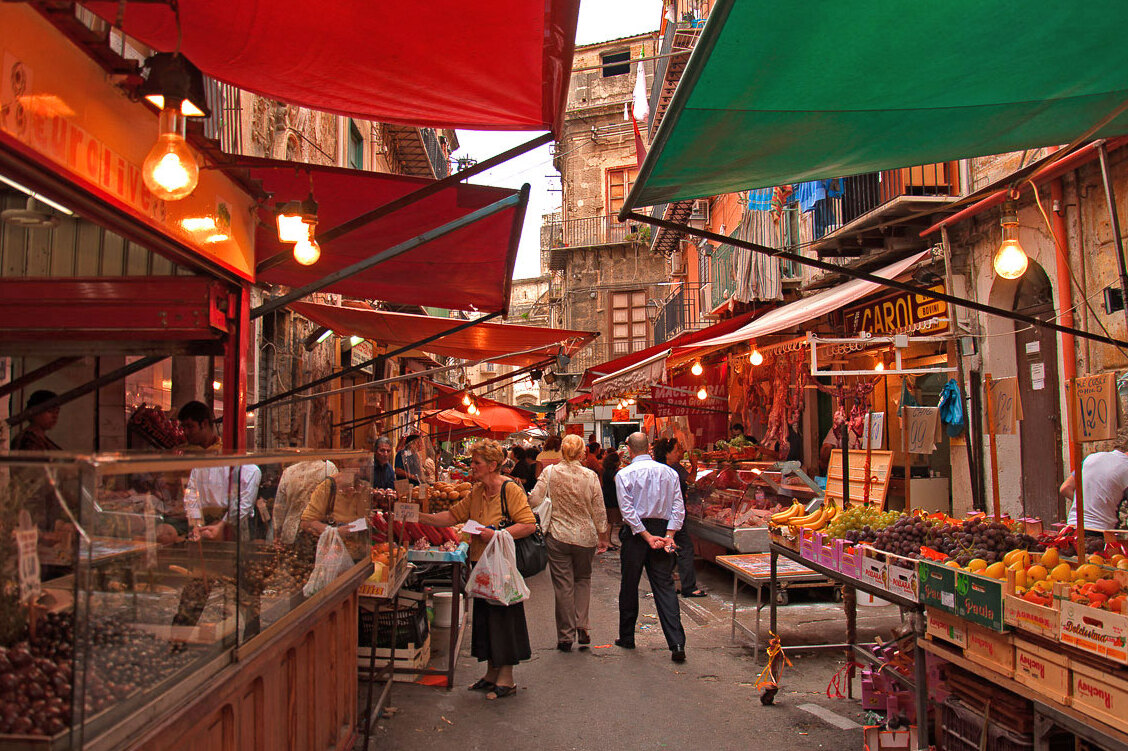

In the heart of Palermo, where the air is perfumed with the scent of sizzling street food and the hum of bartering voices, lies the vibrant Ballarò Market. This bustling marketplace, with its roots stretching back to the Arab rule in Sicily, offers a sensory overload that is as rich in history as it is in flavors. It's not merely a market but a living testament to Palermo’s multicultural heritage and dynamic spirit.
The origins of Ballarò can be traced to the 10th century during the Arab occupation of Sicily. Historically, it served as a trading hub for merchants who brought exotic spices, silk, and goods from across the Mediterranean. Over centuries, the market has evolved, yet it retains its authentic charm, reflecting the island's confluence of cultures. The very name "Ballarò" is believed to derive from the Arab word "Balhara," referring to a village in India, which hints at its far-reaching trade connections.
Wandering through the market's narrow lanes, visitors are greeted by an architectural medley that speaks to Palermo's layered past. The market sprawls around Piazza Carmine, where the majestic Church of the Carmine Maggiore stands. This church, with its stunning Baroque facade and vibrant dome adorned with intricate frescoes, is a visual delight. The architectural style of the market’s surrounding buildings ranges from Norman to Gothic and Baroque, each telling a story of conquest and cultural amalgamation.
Ballarò is not just a place to shop but a microcosm of Sicilian life. Here, the tradition of abbanniata—the lively shouting of vendors to attract customers—adds to the market's vibrant atmosphere. This custom is more than a sales tactic; it is a performance art, with vendors showcasing their vocal prowess as part of the daily market theater. The market also pulses with the rhythms of local festivals like Festa di Santa Rosalia, where the streets come alive with processions and music, honoring the patron saint of Palermo.
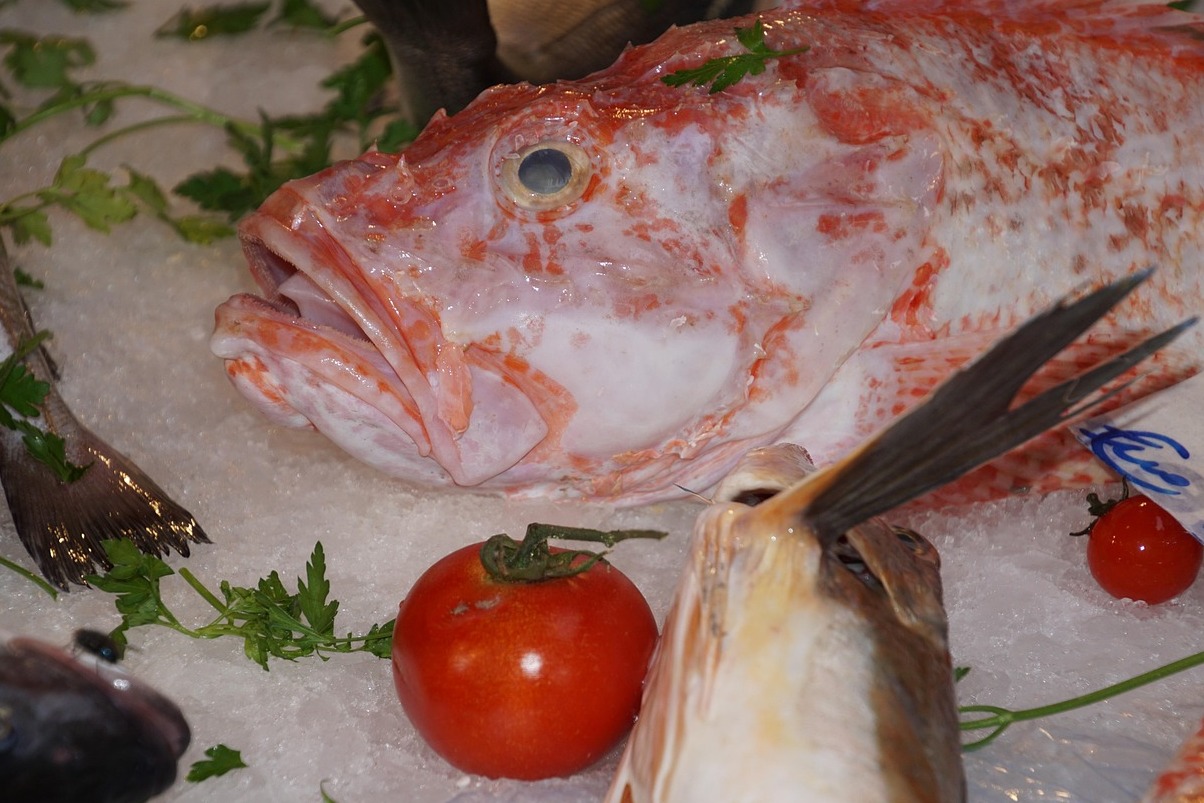
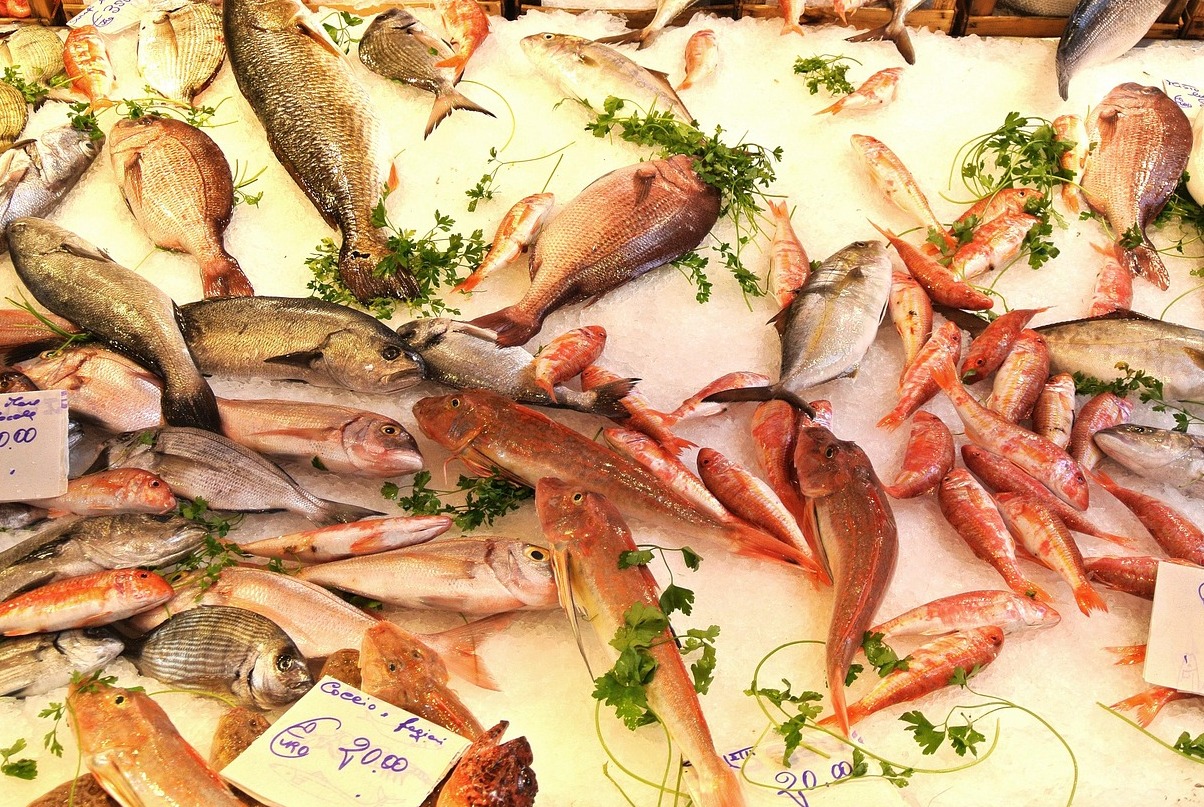
The culinary offerings of Ballarò are a gastronomic journey through Sicily's diverse palate. Street food is king here, with staples like arancini (fried rice balls), panelle (chickpea fritters), and sfincione (a local pizza variant with anchovies and onions) available at every turn. The market is also known for its fresh produce, seafood, and an array of cheeses that showcase the island’s agricultural bounty. For those with a sweet tooth, cannoli and cassata are must-tries, embodying the sweet Sicilian tradition.
Beyond the bustling stalls, Ballarò holds secrets that often elude the casual visitor. Tucked away are hidden gems like the Oratorio del Rosario di Santa Cita, a chapel known for its exquisite stucco work by Giacomo Serpotta, one of Sicily’s finest Baroque sculptors. There’s also the lesser-known Palazzo Conte Federico, a historic residence that offers a glimpse into the aristocratic life of Palermo, complete with medieval towers and lavish interiors.
For those planning a visit, the best time to experience Ballarò is in the early morning when the market begins to stir with activity, and the freshest produce is on display. Weekdays are ideal for a more relaxed exploration, while weekends offer a more vibrant, albeit crowded, experience. It’s advisable to wear comfortable shoes, as the cobbled streets can be uneven, and to come with an appetite, ready to sample the array of street foods on offer.
Navigating Ballarò can be overwhelming, but the key is to embrace the chaos and let the market guide you. Look out for the ‘u pani ca meusa’ (spleen sandwich) stall, a true Palermitan delicacy that might challenge the uninitiated but promises a unique taste of local culture. Also, keep an eye out for the vintaged clothing stalls, where fashion from bygone eras offers a treasure trove for bargain hunters and style enthusiasts alike.
In the end, a visit to Ballarò Market is not just about shopping or eating; it's about immersing oneself in a lively tapestry of sounds, sights, and scents that capture the essence of Palermo. It’s a place where the past and present converge, creating a uniquely Sicilian experience that lingers long after the visit ends.


