
← Back

Count Frederick Palace

Piazza Conte Federico, 2, 90134 Palermo PA, Italia ★★★★☆ 520 views
Clara Illy
Palermo
🏆 AI Trip Planner 2026

Get the free app

Discover the best of Palermo with Secret World — the AI trip planner with 1M+ destinations. Get personalized itineraries, hidden gems and local tips. Free on iOS & Android.

🧠 AI Itineraries 🎒 Trip Toolkit 🎮 KnowWhere Game 🎧 Audio Guides 📹 Videos
Download on the App Store Get it on Google Play
Scan to download Scan to download

Palaces, Villas and Castles · Palermo

Count Frederick Palace - Palermo | Secret World Trip Planner

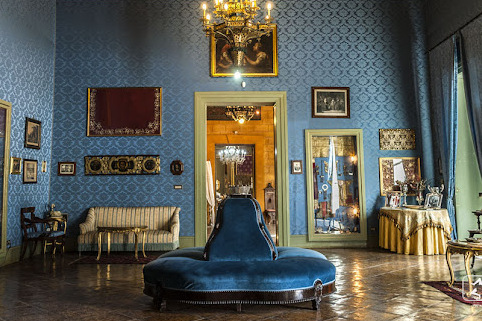
Palazzo Conte Federico is one of the oldest and most prestigious buildings in Palermo. Located between Via dei Biscottari and Piazza Conte Federico within the primitive walls of the Punic city, it is a short walk from the Royal Palace, the Palatine Chapel and the Cathedral. It incorporates an ancient gateway to the city, Porta Busuemi (from the Arabic "Bab el Soudan" Porta dei Negri). The oldest part of the palace is a twelfth-century Arab-Norman tower. Called the "Torre di Scrigno", it was located above the city walls to defend the city and was also the entrance to the city through the Busuemi Gate, which lapped one of the arms of the sea then entering the city. Today in the tower it is possible to admire two beautiful mullioned windows, one Norman and one Aragonese, where we find the authentic coats of arms of the City of Palermo, the Swabians and the Aragonese who governed it. From the inner courtyard, finely decorated in stone carving by the great baroque architect Venanzio Marvuglia, and through the large red marble staircase you can access the main floor with its many rooms that reflect the various eras through which the history of this building has passed. Inside the halls, furnished with original furniture and paintings by distinguished artists of the time (a valuable Madonna of the 15th century of the Sienese school), you can admire the painted wooden ceilings of the 15th century, the 18th century frescoes of Vito D'Anna and Gaspare Serenario, gilded doors in pure gold and the various collections of weapons (swords, halberds, rifles and pistols of the period, tell of the wars that took place in Palermo) and antique ceramics. Among the various areas of the palace: the 'Dance Gallery' containing a grand piano that Wagner played in 1882 while staying in Palermo. The palace is still inhabited today by Count Alessandro Federico and his family who trace their origins to Federico d'Antiochia, one of the sons of the great Emperor Frederick II. Organized guided tours of the Palace and the Arab-Normann Tower are permitted.

🗺 AI Trip Planner

Plan your visit to Palermo

Suggested itinerary near Count Frederick Palace

MAJ+
500.000+ travelers worldwide
  1. 🌅
    Morning
    Count Frederick Palace
    📍 Palermo
  2. ☀️
    Afternoon
    Palermo | The Ballarò Market
    📍 0.1 km · Palermo
  3. 🌆
    Evening
    Old Candy Factory Terranova
    📍 0.2 km · Palermo

Buy Unique Travel Experiences

Powered by Viator

See more on Viator.com

Explore nearby · Palermo

Frequently Asked Questions

The oldest part of the palace is the twelfth-century Arab-Norman tower called the 'Torre di Scrigno,' which was originally built above the city walls to defend Palermo and served as an entrance through the Busuemi Gate. The tower features two beautiful mullioned windows—one Norman and one Aragonese—displaying the authentic coats of arms of Palermo, the Swabians, and the Aragonese rulers.
The palace is located between Via dei Biscottari and Piazza Conte Federico within the ancient Punic city walls, making it conveniently positioned for visitors. It's just a short walk from major Palermo landmarks including the Royal Palace, the Palatine Chapel, and the Cathedral.
Inside the palace, you'll find 15th-century painted wooden ceilings, 18th-century frescoes by Vito D'Anna and Gaspare Serenario, gilded doors in pure gold, and a valuable 15th-century Madonna painting from the Sienese school. The palace also houses collections of period weapons and antique ceramics, and features the 'Dance Gallery' containing a grand piano that Richard Wagner played in 1882.
The palace is still inhabited today by Count Alessandro Federico and his family, who trace their lineage back to Federico d'Antiochia, a son of Emperor Frederick II. The property is open to the public through organized guided tours, allowing visitors to experience this lived-in palace while respecting the privacy of its residents.
The inner courtyard is finely decorated with stone carvings by renowned baroque architect Venanzio Marvuglia, and visitors can access the main floor through a striking large red marble staircase. The main floor features multiple rooms reflecting different historical periods, each showcasing furnishings, paintings, and decorative elements that tell the story of the palace's evolution through time.
