
← Back

Pancakes, from the Greeks to the U.S.

Roma, Italia ★★★★☆ 26,404 views
Maya Wilde
Roma
🏆 AI Trip Planner 2026

Get the free app

Discover the best of Roma with Secret World — the AI trip planner with 1M+ destinations. Get personalized itineraries, hidden gems and local tips. Free on iOS & Android.

🧠 AI Itineraries 🎒 Trip Toolkit 🎮 KnowWhere Game 🎧 Audio Guides 📹 Videos
Scan to download iOS / Android
Scan for AppGallery Huawei users

About Pancakes, from the Greeks to the U.S.

Pancakes, from the Greeks to the U.S. - Roma | Secret World Trip Planner

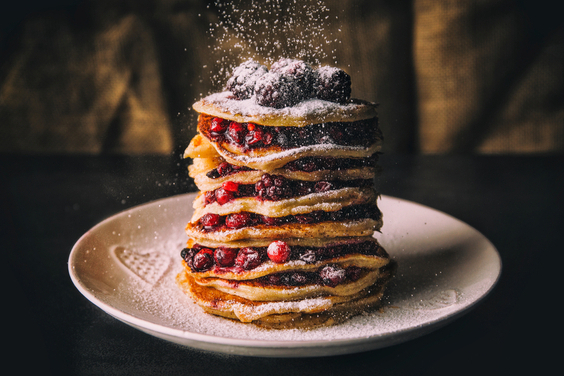
The pancake recipe has made a long journey, crossing continents and entire centuries to our tables, directly from the United States, but the delicious pancakes stuffed with maple syrup, jam, honey or dried fruit were not prepared there for the first time. In 500 B.C., in fact, Cratino and Magnete, two fellow playwrights of the more famous Aristophanes, mention a cake made with water, olive oil and flour, cooked and round, served with honey at breakfast. The Greeks called it teganites or tagenites, referring to the type of pan in which they were prepared, but we can to all intents and purposes say (if only we could taste it!) that it is the ancestor of pancakes, although without yeast.as it often happened, many Greek traditions and recipes have been assimilated by the Romans. In fact, it is documented that the patricians loved the Alica Dolcia, a version enriched with the spices of Greek teganites. We will also have to wait many years for a leavening agent to be introduced into the recipe, but this has not prevented pancakes from spreading throughout Europe and Russia in a form very similar to crepes. Each country, starting in the Middle Ages, prepared its own variation, some of which have survived to this day, such as the German Kaiserschmarrn, which is cut into small pieces and served with dried fruit and icing sugar. The success of this simple and versatile dessert also reached the British Isles, where the name "pancake" was coined. In fact, we have traces of it, for the first time, in an official document of the fifteenth century. But, although the name is an English inheritance, the merit of having refined the preparation of the cake to the point of making it look like the pancakes we eat today is all Dutch. In Holland, the pannekoek and poffertjes, pancakes baked in a specially shaped pan, are typical desserts served one on top of the other.

🗺 AI Trip Planner 2026

Plan your visit to Roma

Suggested itinerary near Pancakes, from the Greeks to the U.S.

MAJ+
500.000+ travelers worldwide
  1. 🌅
    Morning
    Pancakes, from the Greeks to the U.S.
    📍 Roma
  2. ☀️
    Afternoon
    Rome | The eternal city
    📍 0 km · Roma
  3. 🌆
    Evening
    The Doors of Igor Mitoraj
    📍 0.1 km · Roma

Buy Unique Travel Experiences

Powered by Viator

See more on Viator.com

Explore nearby · Roma

Frequently Asked Questions

Pancakes have their roots in ancient Greece around 500 B.C., where playwrights Cratino and Magnete described a round cake made with water, olive oil, and flour called teganites, served with honey at breakfast. This Greek creation is considered the true ancestor of modern pancakes, even though it was prepared without yeast, and later spread throughout Europe and beyond after being adopted and refined by the Romans.
The ancient Greek teganites was a simple unleavened cake made from water, olive oil, and flour, cooked in a special pan and served with honey, lacking the leavening agent used in modern pancakes. It wasn't until centuries later that a leavening agent was introduced to the recipe, transforming the dish into the fluffy pancakes we know today.
The term 'pancake' was coined in England, with the first official documented reference appearing in a fifteenth-century English document. Although the British Isles gave us the name we use today, it was actually the Dutch who deserve credit for refining the preparation technique that made pancakes resemble what we eat in modern times.
In Holland, pannekoek and poffertjes are the traditional pancake varieties, with poffertjes being specially baked in a uniquely shaped pan and typically served stacked one on top of the other. These Dutch versions represent the refined preparation methods that influenced the modern pancakes enjoyed worldwide today.
Kaiserschmarrn is a German variation of pancakes that emerged during the Middle Ages and remains popular today, characterized by being cut into small pieces and served with dried fruit and icing sugar. This regional specialty showcases how each European country developed its own unique pancake variation that has survived to the present day.
