



In the bustling heart of Mumbai, amid the cacophony of honking rickshaws and the vibrant swirl of sari-clad pedestrians, lies a culinary treasure that epitomizes the spirit of this metropolis: pao bhaji. This humble yet hearty dish has a story as rich as its butter-laden flavors, connecting the city's past with its cosmopolitan present.
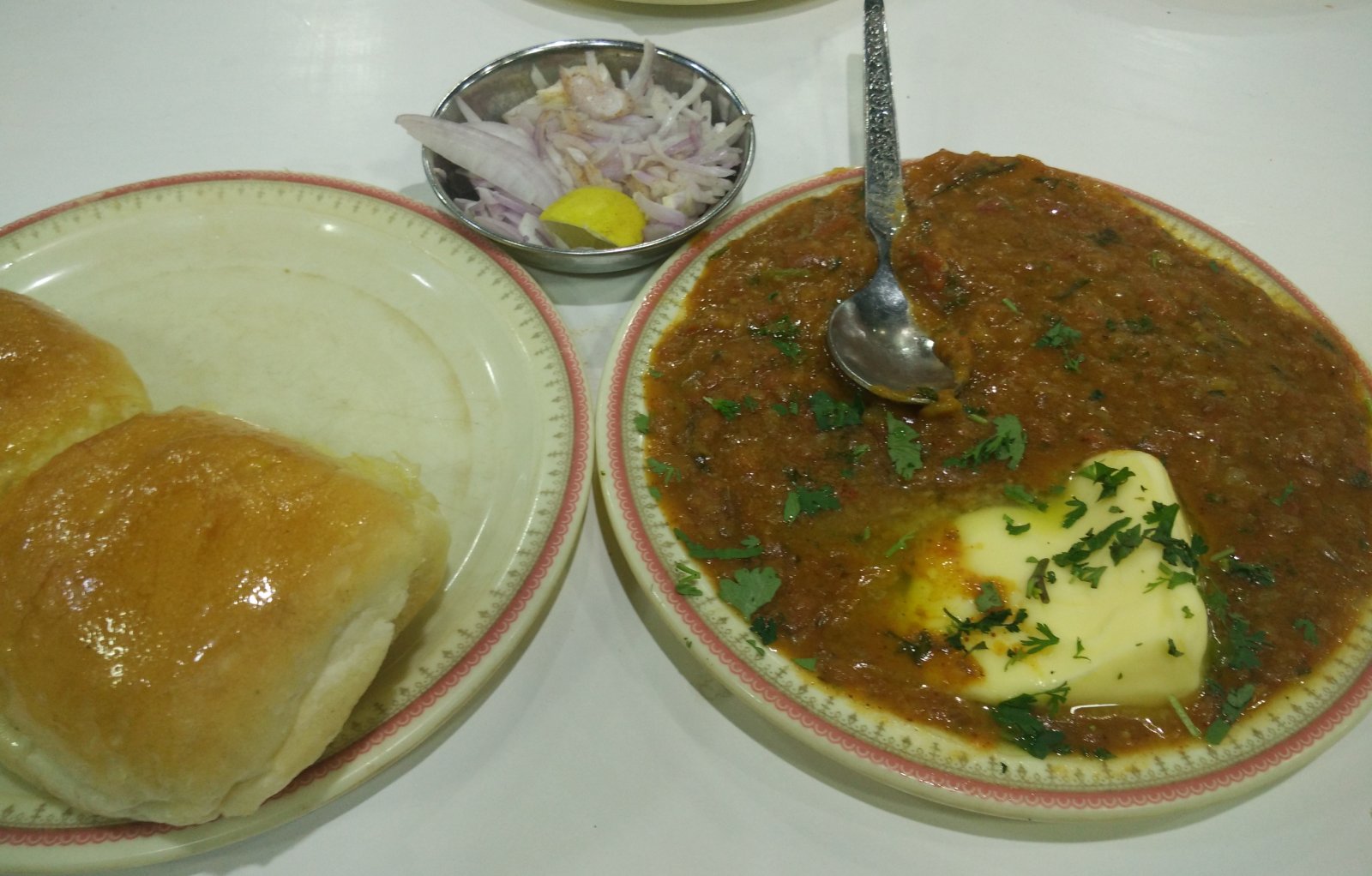
Pao bhaji traces its origins back to the 1850s, during the height of India's industrial boom when Mumbai, then Bombay, was a burgeoning port city. The dish was born out of necessity in the cotton trading district, where mill workers needed a quick, nourishing meal that could sustain them through long hours. Street vendors answered the call, creating a spicy, mashed vegetable concoction served with buttered bread—a meal that was inexpensive yet filling. Over the decades, pao bhaji moved beyond the working-class crowd, capturing the taste buds of every Mumbaikar and becoming a staple in both street-side stalls and upscale restaurants.
Architecturally, Mumbai is a city of contrasts, and while pao bhaji isn't linked to any specific building, it is deeply ingrained in the city's street food culture, which unfolds against a backdrop of Gothic, Victorian, and modernist structures. From the majestic Chhatrapati Shivaji Terminus to the elegant arches of the Gateway of India, these landmarks form a picturesque setting for the vibrant street food scene. The juxtaposition of colonial-era buildings with bustling food stalls paints a vivid picture of Mumbai’s unique blend of the old and the new.
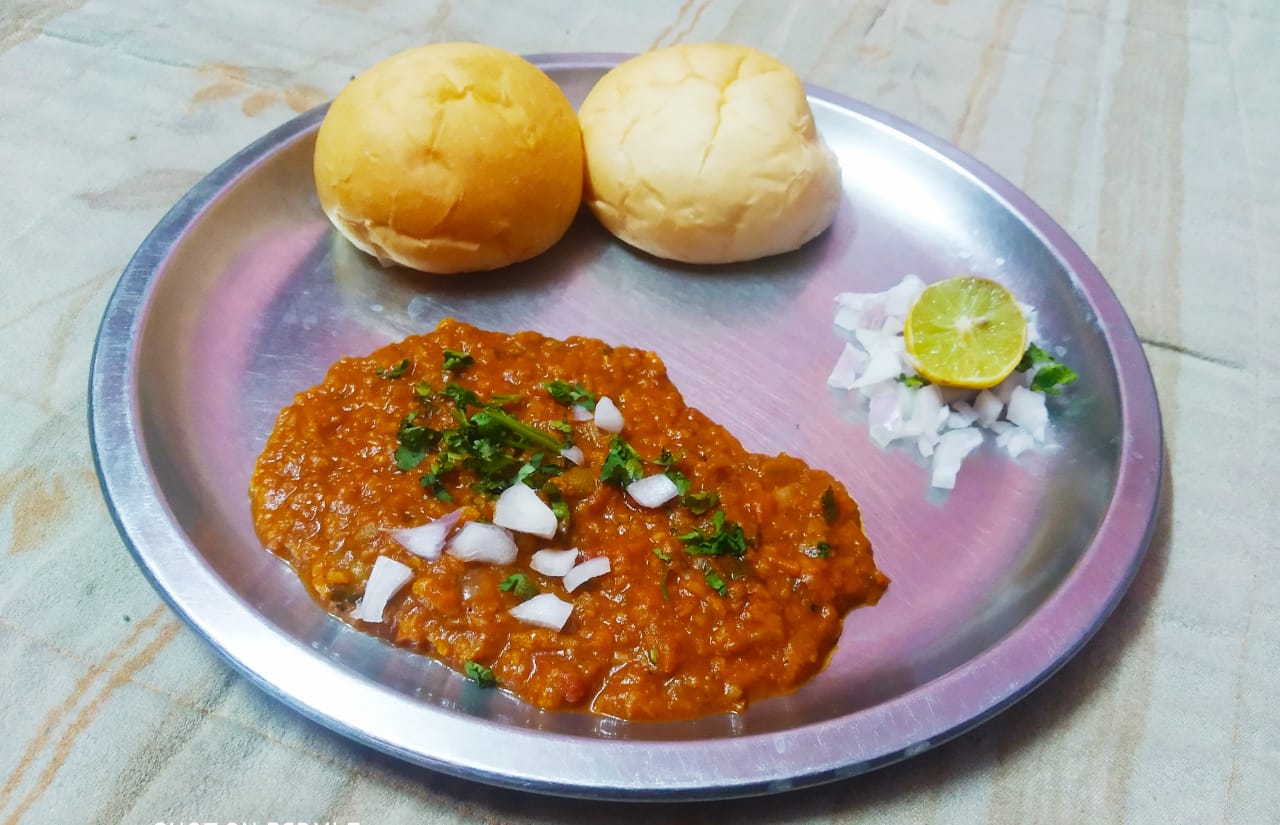
Mumbai's local culture is a melting pot of traditions, where diverse communities celebrate a myriad of festivals such as Ganesh Chaturthi, Diwali, and Eid. Pao bhaji is a common find at these festivals, where it is enjoyed as a symbol of communal harmony. The dish, with its eclectic mix of vegetables and spices, mirrors the city's multicultural ethos. It’s often served during bustling nighttime gatherings, where it’s savored with friends and family amidst laughter and conversation—a true testament to Mumbai’s lively spirit.
Gastronomically, Mumbai offers an array of flavors, but pao bhaji holds a special place in the city's culinary heart. Alongside this iconic dish, one can indulge in other local favorites like vada pav, bhel puri, and pani puri. For beverages, a glass of refreshing masala chai or the local sugarcane juice complements the spicy and buttery notes of pao bhaji perfectly. Each bite and sip tells a story of the city’s enduring love affair with food, where every meal is an experience to be savored.
Digging deeper into the lesser-known curiosities of pao bhaji, one discovers fascinating variations. Some vendors add cheese for a creamy twist, while others experiment with exotic spices to create their unique version of this classic dish. The bread, or pao, has its own intriguing tale—it was introduced by the Portuguese in the 16th century and has since become an integral part of Mumbai’s culinary tapestry. Many tourists are unaware that the best pao bhaji is often found in unassuming street stalls, where recipes have been refined over generations.
For those planning to visit Mumbai and experience pao bhaji at its finest, timing is key. The best time to visit is during the cooler months from November to February when the weather is pleasant, allowing for leisurely exploration of the city’s vibrant street markets. As you wander through the alleys of areas like Chowpatty Beach or Juhu Beach, look for stalls with a crowd of locals—a sure sign of authentic and delicious offerings. Remember to be adventurous with your taste, and don't shy away from trying different vendors to truly appreciate the diversity of flavors.
In conclusion, pao bhaji is more than just a dish; it’s a living, evolving part of Mumbai’s cultural and historical landscape. It embodies the city's resilience, diversity, and unyielding zest for life. Whether you're a first-time visitor or a seasoned traveler, indulging in pao bhaji is an essential rite of passage into the heart of Mumbai—a flavorful journey that promises to linger in your memory long after the last bite.
