
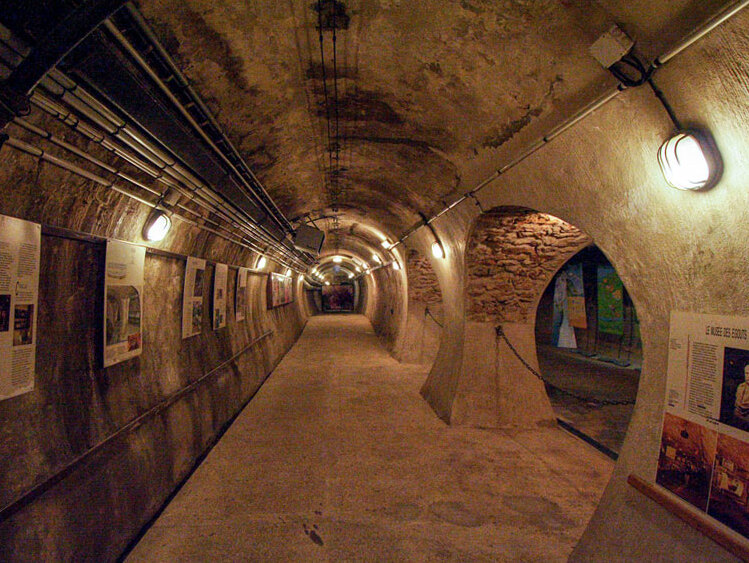

A stroll through the Paris Sewer Museum offers a captivating glimpse into the hidden life of the French capital, where history, engineering, and culture converge beneath the bustling streets. Entering through a manhole near the Pont de l'Alma, visitors embark on a journey that reveals an extraordinary underground world, steeped in centuries of history.
The origins of Paris’s sewer system can be traced back to the Middle Ages. Before the establishment of a proper sewer system, the Seine River was the city's primary water source. Residents would use this water for drinking and washing, only to dispose of the waste by throwing it into the streets or back into the river. This rudimentary approach to waste management posed serious health risks, leading to a significant public health crisis.
It wasn't until around 1200 AD that the first plans for paving and sewer construction began to take shape. By 1370, Paris saw the completion of its first covered sewer, which channeled waste into a brook. The evolution of these systems gained momentum under the reign of Napoleon I in the early 19th century. He initiated the construction of a comprehensive sewer network that spanned over 30 kilometers, revolutionizing urban sanitation. The crowning achievement came in 1878 when the double water distribution network was established, extending the sewer system to cover more than 600 kilometers.
As you traverse the dimly lit tunnels of the museum, you’ll encounter remarkable engineering feats. The architecture is a blend of utilitarian design and historical significance. The tunnels are bricked in a manner reminiscent of Gothic architecture, where the curves and archways create a unique atmosphere. Notably, the sewer system features numerous artworks and installations that highlight its cultural significance. Artists have embraced this underground realm, using it as a canvas to express the interplay between urban life and nature, transforming an otherwise overlooked space into a gallery of human creativity.
Beyond the engineering marvels, the Paris Sewer Museum embodies the spirit of local culture and traditions. The museum is often associated with the city's commitment to innovation and cleanliness. In France, sanitation has been a topic of cultural pride, and the evolution of the sewer system reflects the broader societal values of public health and urban planning. The French have a long history of celebrating sanitation workers, known as the "Pêcheurs de la Seine," who play a vital role in maintaining the city's cleanliness. This respect for those who keep the city running smoothly is echoed in local customs and traditions.
As you explore this underground labyrinth, you might also find yourself pondering the unique culinary traditions of Paris that are intrinsically linked to its waterways. While the museum itself doesn’t offer dining options, the nearby neighborhoods are rich with gastronomic delights. Baguettes, croissants, and cheeses are staples of the Parisian diet, often enjoyed with a glass of Chablis or Bordeaux. The historical connection to the Seine extends to many traditional dishes that utilize fresh fish caught from the river, emphasizing the importance of waterways in shaping local cuisine.
For those intrigued by lesser-known curiosities, the Paris Sewer Museum does not disappoint. One surprising fact is that the museum houses sections of the sewer system that date back to the 14th century, showcasing how engineering has adapted over the ages. Additionally, the museum features models and exhibits on the rat population of Paris, which plays a curious role in the sewer ecosystem, contributing to the city’s historical narrative.
When planning your visit, consider the best time to explore the museum. While it is open year-round, the spring and autumn months offer milder weather, making it more pleasant to embark on your underground adventure. The museum is often less crowded during weekdays, allowing for a more intimate experience. Be sure to look for the interactive displays and informative panels that provide insights into the system's operation and history, enhancing your understanding of this remarkable feat of engineering.
In conclusion, the Paris Sewer Museum is a unique destination that invites visitors to delve into the unseen history and culture of one of the world’s most iconic cities. With its blend of history, art, and engineering, it provides a fascinating perspective on urban life in Paris. For a truly personalized experience, consider using the Secret World app to craft your own itinerary for exploring this captivating city.


