
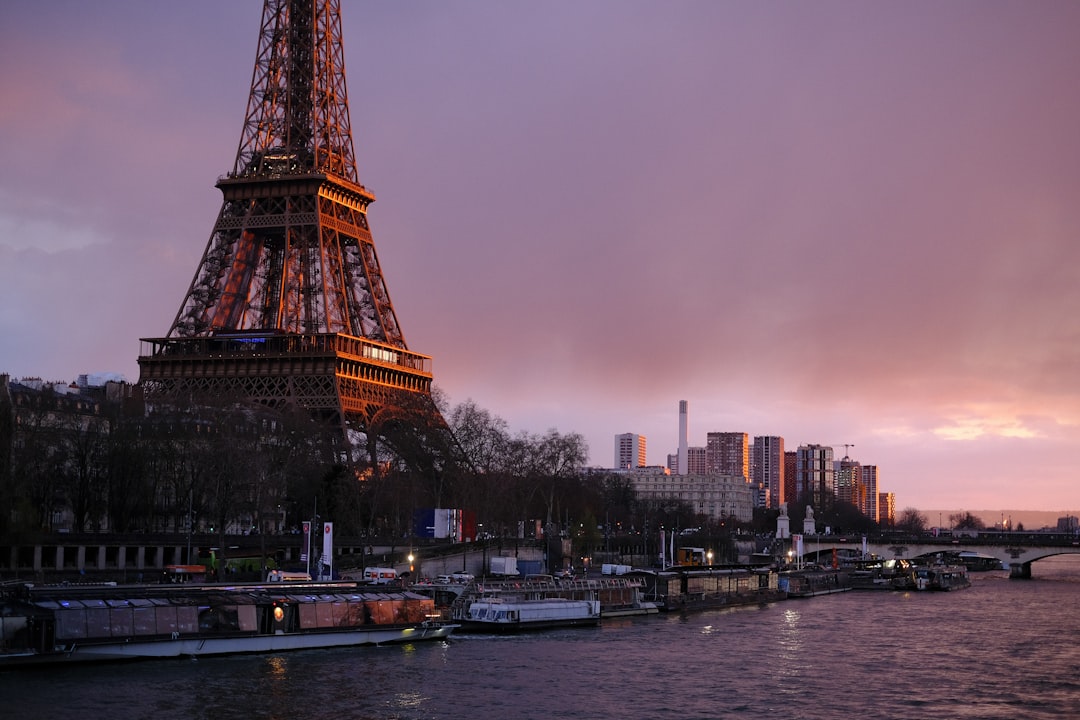

The Eiffel Tower, locally known as "La dame de fer", is one of the most iconic monuments in the world, located in the heart of Paris, on the Champ de Mars. Inaugurated in 1889, it was designed by engineer Gustave Eiffel and represents a masterpiece of engineering and design. With its height of 330 meters, it is the tallest structure in Paris and offers breathtaking views of the French capital and beyond.
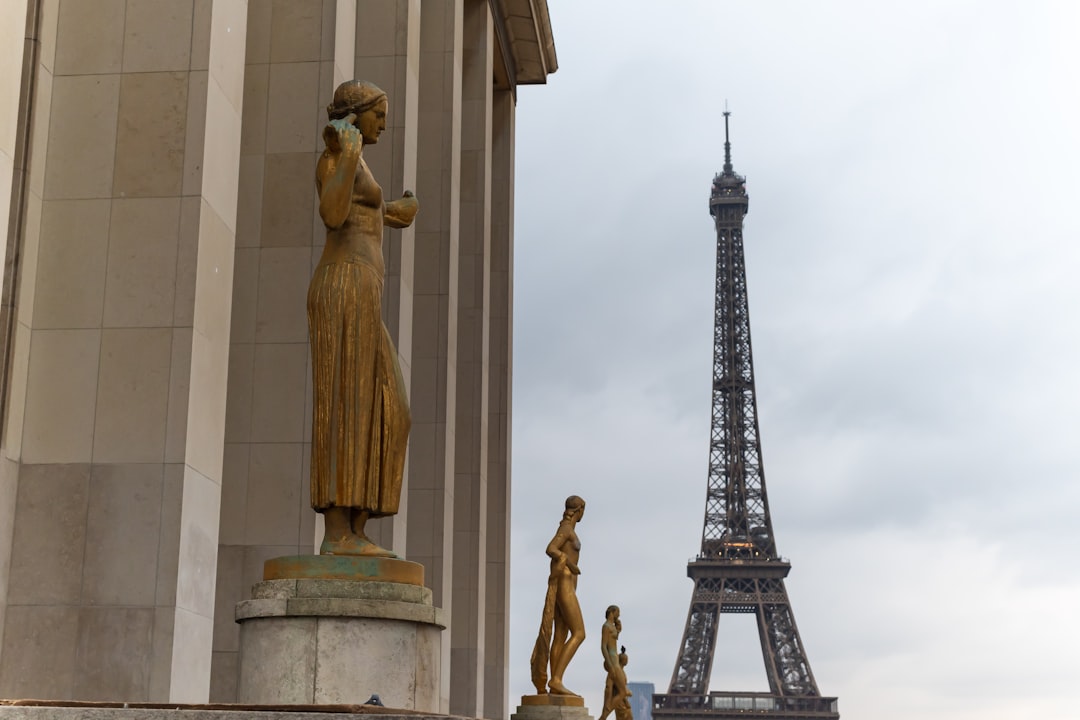
The Eiffel Tower is not only a symbol of the city but also a globally recognized landmark. Every year, millions of visitors flock to admire its unique architecture and discover the fascinating history behind its construction.
History and Origins

The construction of the Eiffel Tower began in 1887 and was completed in 1889, in time for that year's World Exposition, which celebrated the centenary of the French Revolution. Despite initial criticism from artists and intellectuals, who considered it an architectural monstrosity, the tower quickly established itself as a national symbol and an icon of innovation and modernity.
Over the years, the Eiffel Tower has undergone various modifications and restorations but has maintained its original charm. In 1964, it was declared a historical monument, and in 1991 it became part of the UNESCO World Heritage, along with the banks of the Seine. This recognition further elevated its status, making it a must-see for every visitor to Paris.
Elements to Observe
A visit to the Eiffel Tower offers the opportunity to admire not only its imposing structure but also the architectural details that make it unique. The square base of the tower measures 125 meters on each side and features four pillars that rise towards the sky, creating an extraordinary visual effect. Ascending to the various levels, visitors can explore different areas, including restaurants and exhibition spaces, which provide an in-depth view of the tower's history and construction.
From the second floor, the panoramic view of Paris is simply unforgettable. Famous landmarks such as the Louvre, Notre-Dame Cathedral, and Sacré-Cœur can be seen, all framed by the beauty of the city. In the evening, the tower lights up with a play of lights that makes it even more magical, attracting the attention of anyone nearby.
Why It Is Interesting Today
Today, the Eiffel Tower is not just a tourist attraction but a symbol of resilience and innovation. With over 6 million visitors a year, it is the most visited paid monument in the world, representing not only architectural beauty but also French culture and history. Special events, exhibitions, and celebrations are regularly held, making the tower a dynamic and ever-evolving place.
Moreover, the Eiffel Tower is a landmark for sustainability, with initiatives aimed at reducing environmental impact and promoting eco-friendly practices. This modern approach, combined with its historical significance, makes it a place of interest not only for tourists but also for those who are mindful of environmental issues.
Practical Information for Visitors
To visit the Eiffel Tower, it is advisable to book tickets in advance, especially during the peak tourist season, to avoid long waits. Entrance is available at different levels and offers options for guided tours that enrich the experience with historical and curious information.
The tower is easily accessible by public transport, with many bus and metro lines stopping nearby. Once there, the surrounding green spaces offer the opportunity to relax and enjoy the view. Don't forget to download the Secret World app to discover more details and curiosities about this extraordinary monument.


