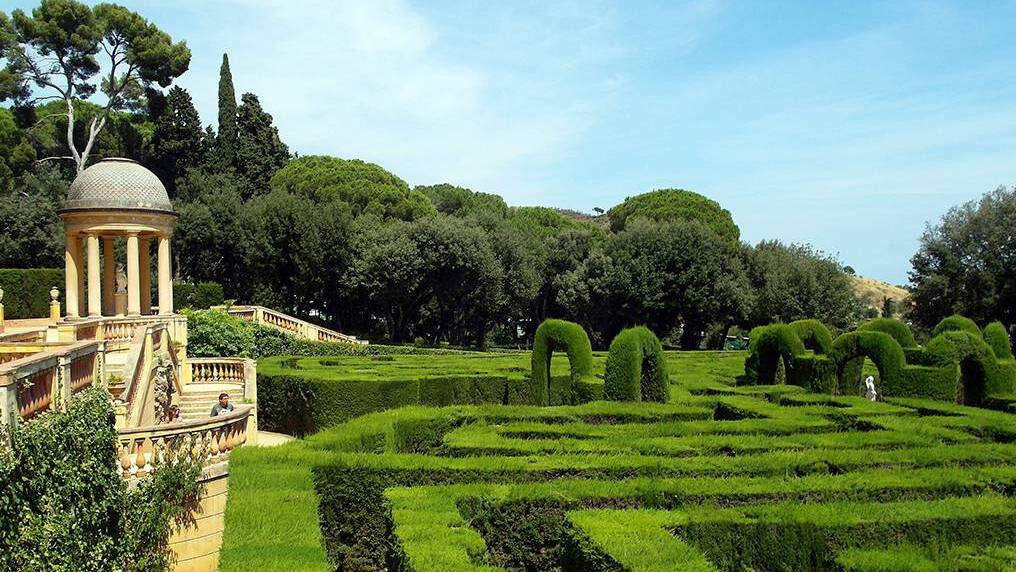

Nestled away from the bustling heart of Barcelona, the Park of the Labyrinth of Horta (Parc del Laberint d'Horta) offers a serene escape into nature and history. As the city's oldest park still in operation, it is a treasure trove for anyone seeking a moment of tranquility amid the urban chaos.
### History and Origins
The origins of the park date back to the end of the 18th century, when it was commissioned by the Desvalls family, a wealthy lineage who inhabited the adjoining mansion. Designed by Italian architect Domenico Bagutti, the park was officially inaugurated in 1792, featuring a stunning cypress labyrinth that would come to define its essence. The labyrinth, with a statue of Eros at its center, was originally a symbol of romanticism, reflecting the prevailing artistic ideals of the time.
Interestingly, the park was once part of the independent municipality of Sant Joan d'Horta, which was annexed to Barcelona in 1904. It wasn't until the early 1970s that the park became public property, opening its gates to locals and tourists alike. Since then, it has remained a cherished green space, celebrating its historical roots while serving the modern city.
### Art and Architecture
The architectural style of the Park of the Labyrinth of Horta is a delightful blend of neoclassical and romantic elements. As you stroll through its 9 hectares, you will encounter meticulously designed gardens, with the labyrinth being the centerpiece of this enchanting landscape.
Beyond the labyrinth, visitors can explore a waterfall that creates a soothing ambiance, a moss garden filled with lush greenery, and two elegant Italian temples adorned with sculptures of Danae and Artemis. The harmony of nature and art is palpable, making the park a significant site for artistic expression and appreciation.
### Local Culture and Traditions
The park is not just a place of beauty; it also serves as a canvas for local culture and traditions. It is a favored spot for residents to gather, especially during festivals and community events. The Festa Major of Horta, celebrated in late summer, often spills into the park, filling it with music, dance, and laughter.
Visitors may also encounter various cultural activities, such as open-air concerts and art exhibitions, which are organized throughout the year. These events highlight the park’s role as a cultural hub, bringing together artists and musicians in a celebration of local talent.
### Gastronomy
While the park itself does not house restaurants, its proximity to the neighborhood of Horta-Guinardó opens up a world of culinary delights. Traditional Catalan cuisine is rich and varied, with dishes like escalivada (grilled vegetables) and xató (a salad with romesco sauce) being local favorites.
For a sweet treat, try the canelons filled with béchamel sauce, often enjoyed on special occasions. Be sure to pair your meal with a glass of cava, the region's signature sparkling wine, to truly savor the flavors of Catalonia.
### Lesser-Known Curiosities
As you wander through the park, keep an eye out for hidden gems that many tourists overlook. One such curiosity is the “Cova de l’Escorpí,” a small cave that adds an air of mystery to the gardens. Additionally, the labyrinth itself is not just a maze; it is a metaphor for the journey of life, inviting visitors to reflect on their own paths as they navigate its twists and turns.
Another intriguing feature is the “Jardí de les Roselles,” a secluded area filled with beautiful roses, often missed by visitors rushing to the more prominent attractions. It is a perfect spot for a quiet moment of contemplation or a romantic picnic.
### Practical Visitor Information
The best time to visit the Park of the Labyrinth of Horta is during the spring and autumn months when the weather is mild and the gardens are in full bloom. Weekdays are ideal for those seeking solitude, while weekends may attract families and locals, adding a lively atmosphere.
When visiting, be sure to wear comfortable shoes, as the park’s paths can be winding and uneven. Don't forget your camera, as the park offers picturesque views and unique photo opportunities, especially around the labyrinth and the temples.
For a truly enriching experience, consider engaging with a local guide who can provide insights into the park’s history and significance.
Whether you are a history buff, an art lover, or simply in search of a peaceful retreat, the Park of the Labyrinth of Horta invites you to explore its enchanting landscapes.
To make the most of your visit to Barcelona, consider using the Secret World app for a personalized AI itinerary that uncovers the city’s hidden gems.
