
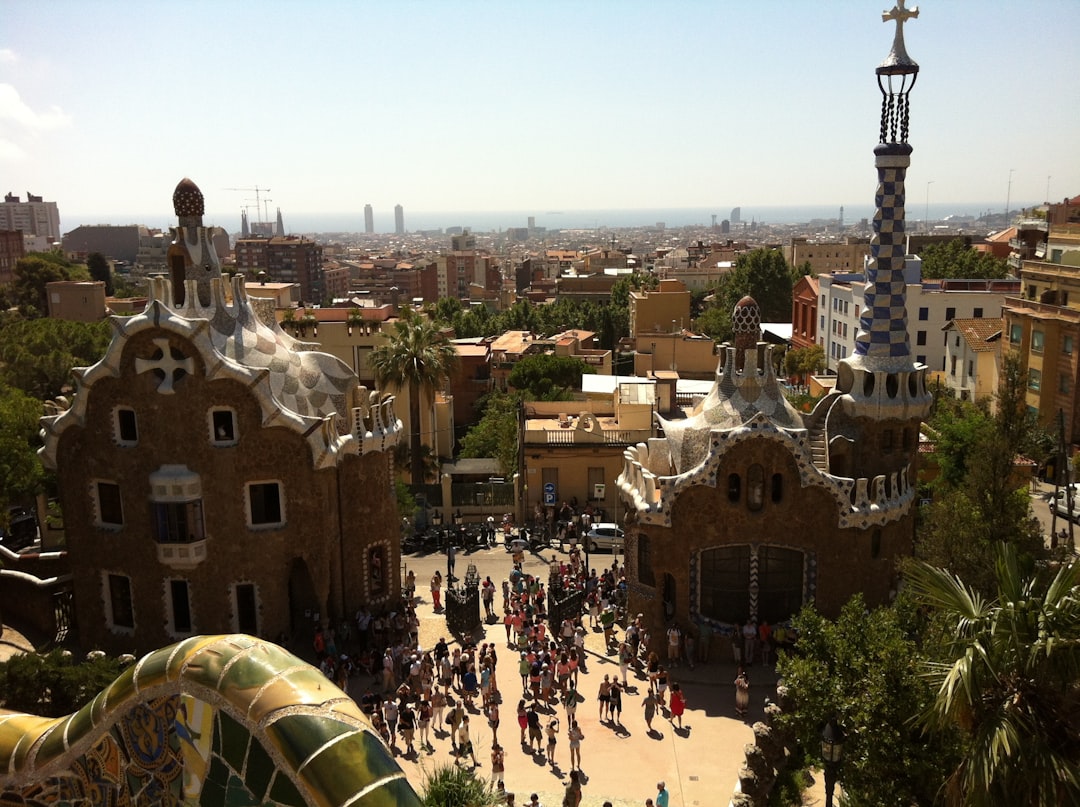

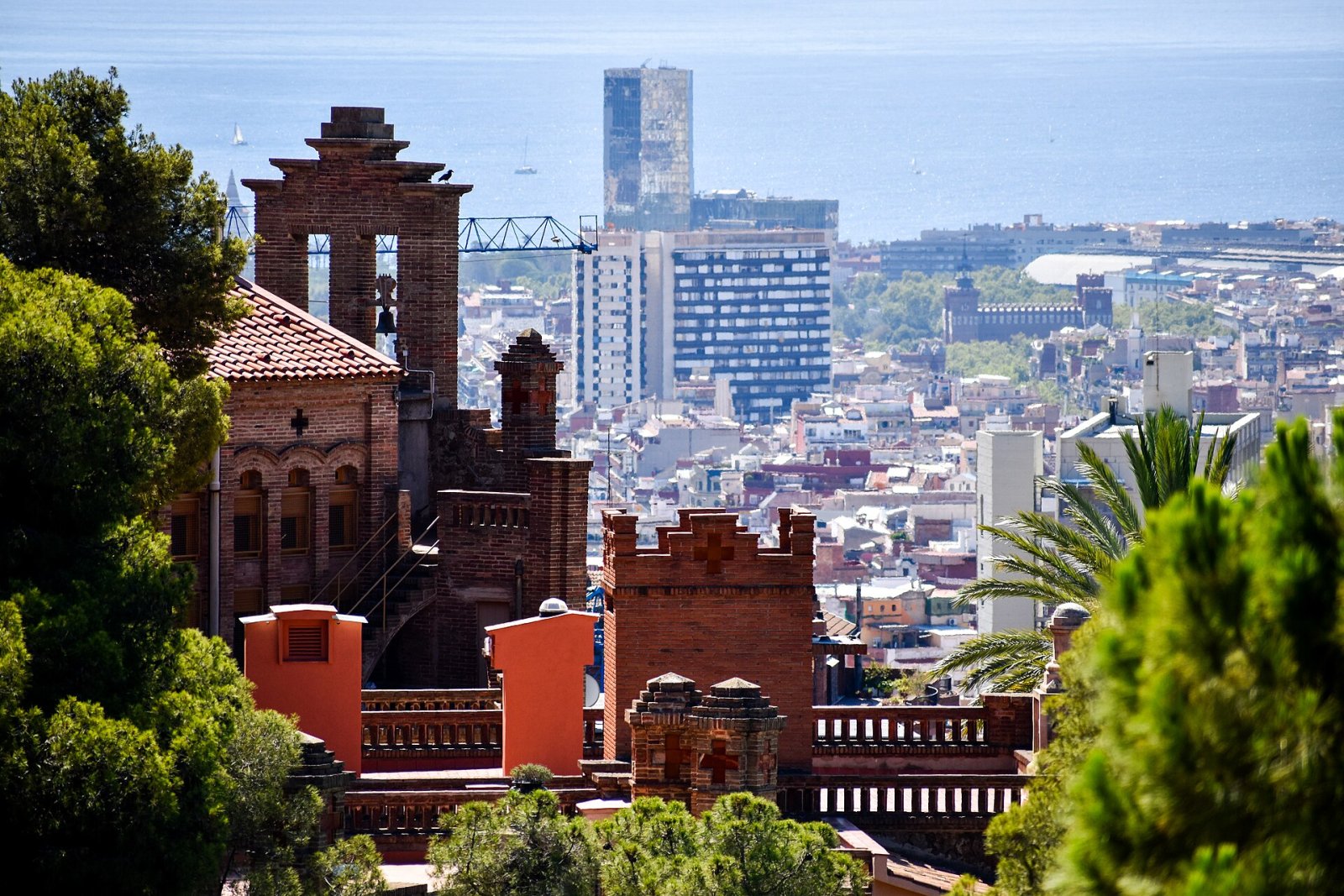
In the heart of Barcelona, Park Güell represents a masterpiece of architecture and design, the result of Antoni Gaudí's innovative vision. This wonder, declared a UNESCO World Heritage Site, is a brilliant example of how nature and art can unite in a timeless harmony. Located in the beautiful region of Catalonia, the park extends over a hill, offering a panoramic view of the city and the Mediterranean Sea.
The history of Park Güell begins in the early 20th century when Gaudí was commissioned to design a residential complex in an area that was to become an urban garden. Although the original project did not materialize as planned, the park became a refuge for Barcelonians and a symbol of Gaudí's creativity. Today, the park is one of the main attractions in Barcelona, drawing visitors from all over the world.
Historical and Cultural Context
Park Güell was commissioned in 1900 by Eusebi Güell, a wealthy entrepreneur and patron, who wanted to create an exclusive residential area. Gaudí, known for his unique style and use of organic shapes, designed the park as a place where nature and architecture could coexist in perfect symbiosis. The construction of the park began in 1900 and continued until 1914, but the residential project was abandoned, paving the way for the creation of a public park.
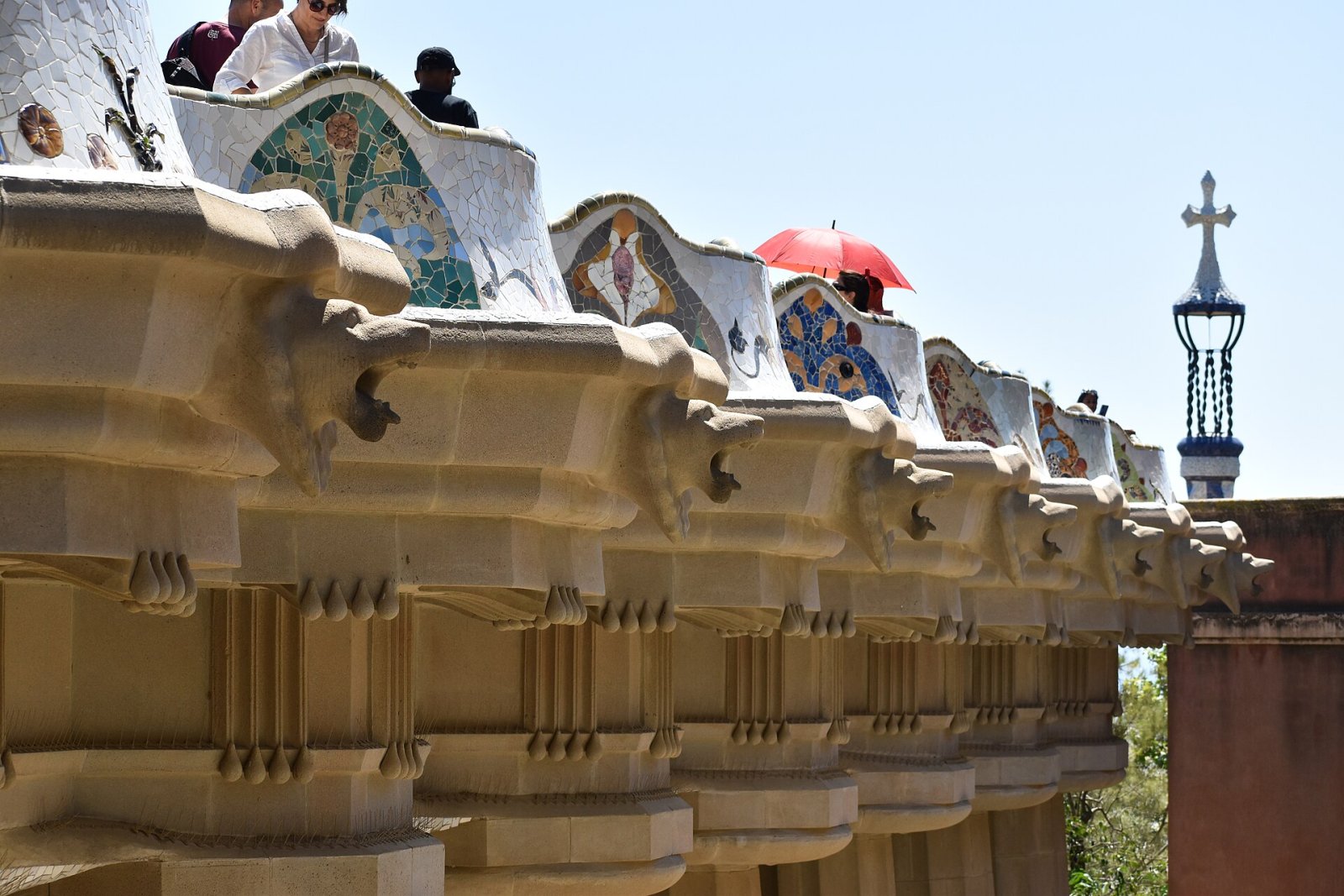
The park is characterized by distinctive architectural elements, such as the famous mosaic benches, winding paths, and columns that evoke natural forms. Every corner of the park tells a story, reflecting Gaudí's vision of a world where art and nature intertwine. The park is also an example of how Barcelona embraced Catalan modernism, an artistic movement that profoundly influenced the city's architecture and culture.
What Stands Out About the Place
What strikes most about Park Güell is its ability to amaze at every turn. Upon entering the park, visitors are greeted by an ornate entrance and a staircase decorated with colorful mosaics, leading to the famous hypostyle hall, an area supported by columns reminiscent of an enchanted forest. Here, each column is unique, reflecting Gaudí's unmistakable style, inspired by natural forms.
Another fascinating feature is the large undulating bench that surrounds the panoramic terrace. This bench, entirely covered with fragments of colorful ceramics, offers not only a place to rest but also a breathtaking view of the city of Barcelona. Every detail of the park has been carefully designed, making Park Güell a place where art merges with nature in an unparalleled visual experience.
Visiting Experience
Visiting Park Güell is an experience that engages all the senses. Visitors can stroll along the winding paths, explore the gardens, and admire the artworks that dot the park. It is advisable to take time to discover every corner, as each sculpture and mosaic tells a unique story. Additionally, the park is an ideal place for photography, thanks to its vibrant colors and unusual shapes that provide a spectacular backdrop.
For an even more memorable visit, guided tours are available that delve into the history and architecture of the park, allowing you to fully appreciate Gaudí's genius. Don't forget to bring a bottle of water and wear comfortable shoes, as the park is vast and deserves to be explored in all its beauty.
Practical Information for Visitors
Park Güell is easily accessible by public transport, thanks to a network of buses and the metro that connects the park to the center of Barcelona. It is advisable to purchase tickets in advance, as entry is limited and the park is very popular among tourists. Additionally, visiting the park at different times can help avoid crowds, especially during the summer months.
Finally, the park is open year-round, but opening hours may vary depending on the season. Be sure to check the official website for updated information and to plan your visit. For an even more complete experience, consider downloading the Secret World app, which offers tips and useful information about places to visit in Barcelona.


