
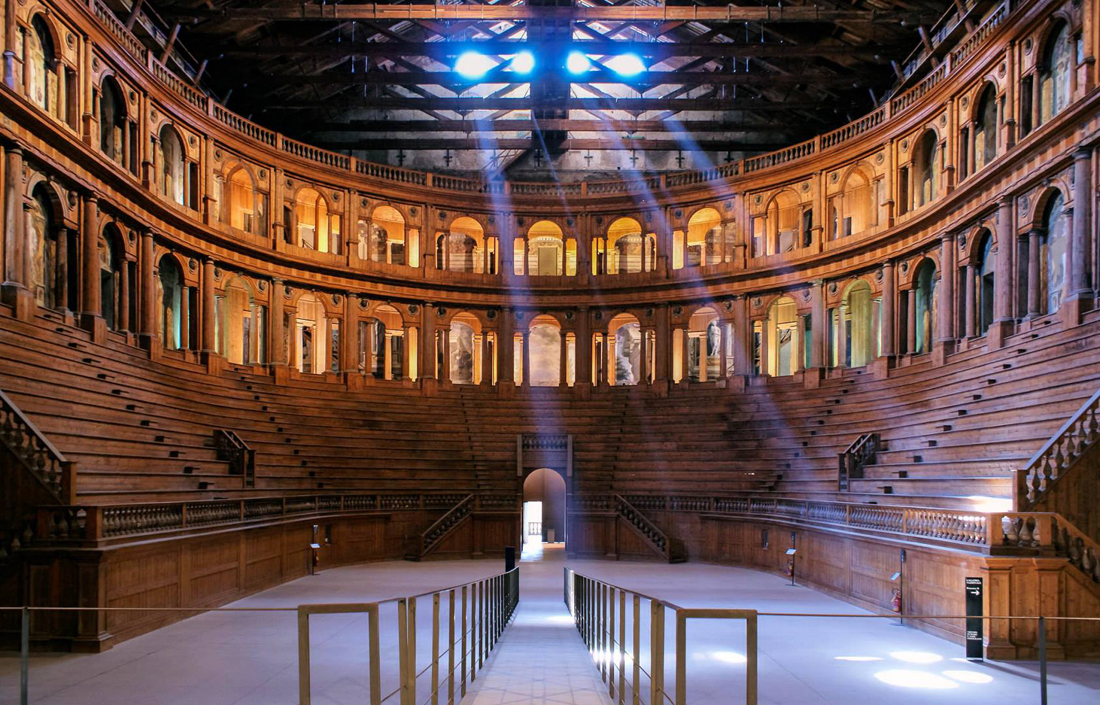

The Teatro Farnese in Parma stands as a testament to the grandeur of 17th-century Italian theatre, a magnificent structure that encapsulates both the artistry and the political machinations of its time. When you step into this wooden marvel, you are transported back to an era of opulence, where art and power intertwined seamlessly.
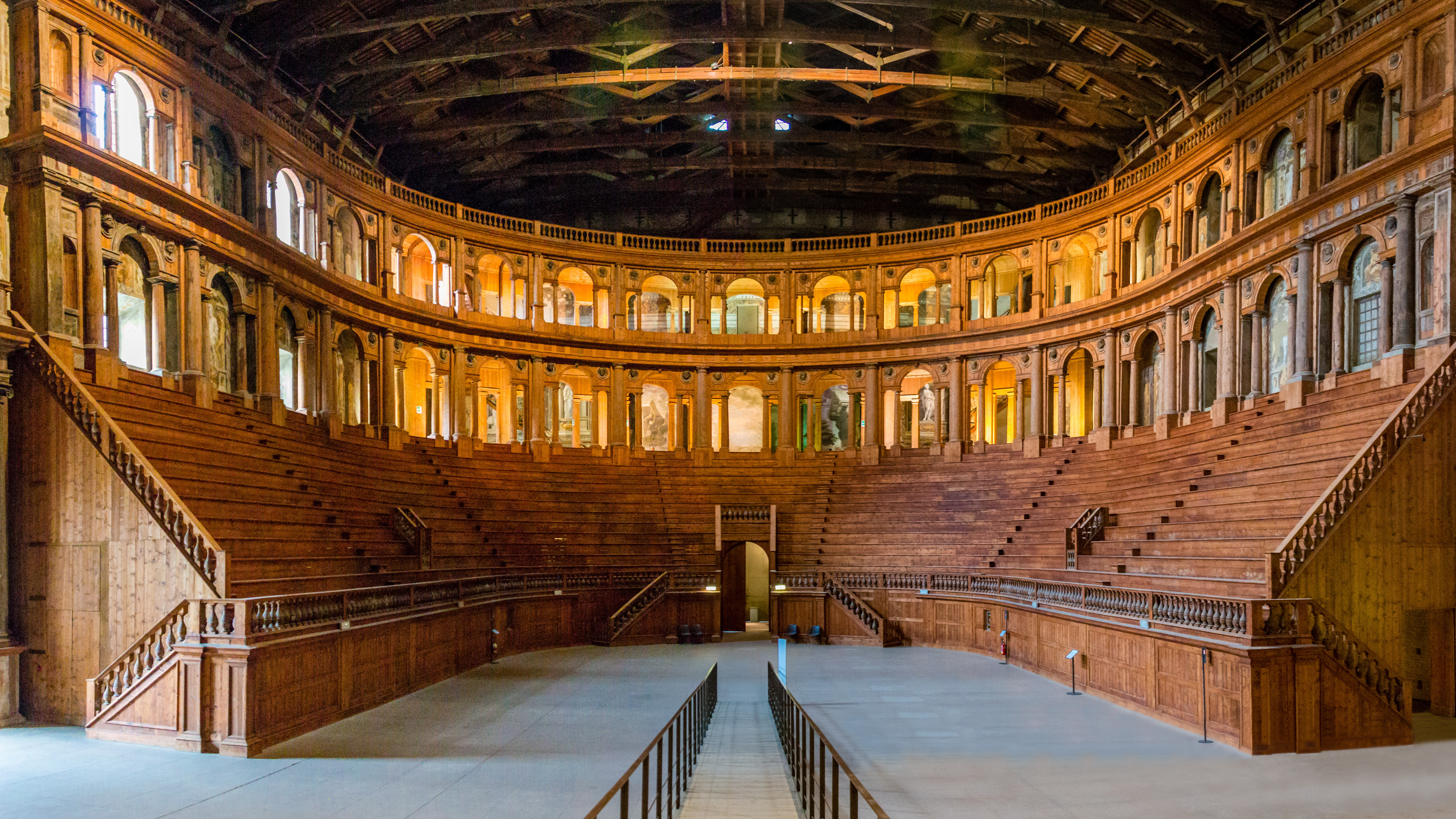
The history of the Teatro Farnese dates back to 1618, commissioned by Ranuccio I, the Duke of Parma and Piacenza. This theatre was initially conceived to honor Cosimo II de’ Medici during his planned journey to Milan. The Medici family, a powerful dynasty in Florence, had solidified their bond with the Farnese through marriage in 1615, making this event a significant diplomatic gesture. However, due to Cosimo II's health issues, the anticipated visit was scrapped, leaving the theatre unfinished until its grand inauguration in 1628. This event coincided with the marriage of Margherita de’ Medici to Duke Odoardo Farnese and was celebrated with a theatrical performance of “Mercurio e Marte,” featuring music by the illustrious Claudio Monteverdi.
Architecturally, the Teatro Farnese is an exquisite example of Baroque design. Its ingenious construction, primarily from wood and plaster, was painted to resemble costly marble, creating an illusion of grandeur without the hefty price tag. The theatre's layout is particularly noteworthy; it features a monumental proscenium arch and a tiered seating arrangement that can accommodate around 1,000 spectators. The Duke’s Box, or Royal Booth, is a splendid highlight, an early iteration of what would become a staple in theatres worldwide, allowing nobility to enjoy performances in regal comfort.
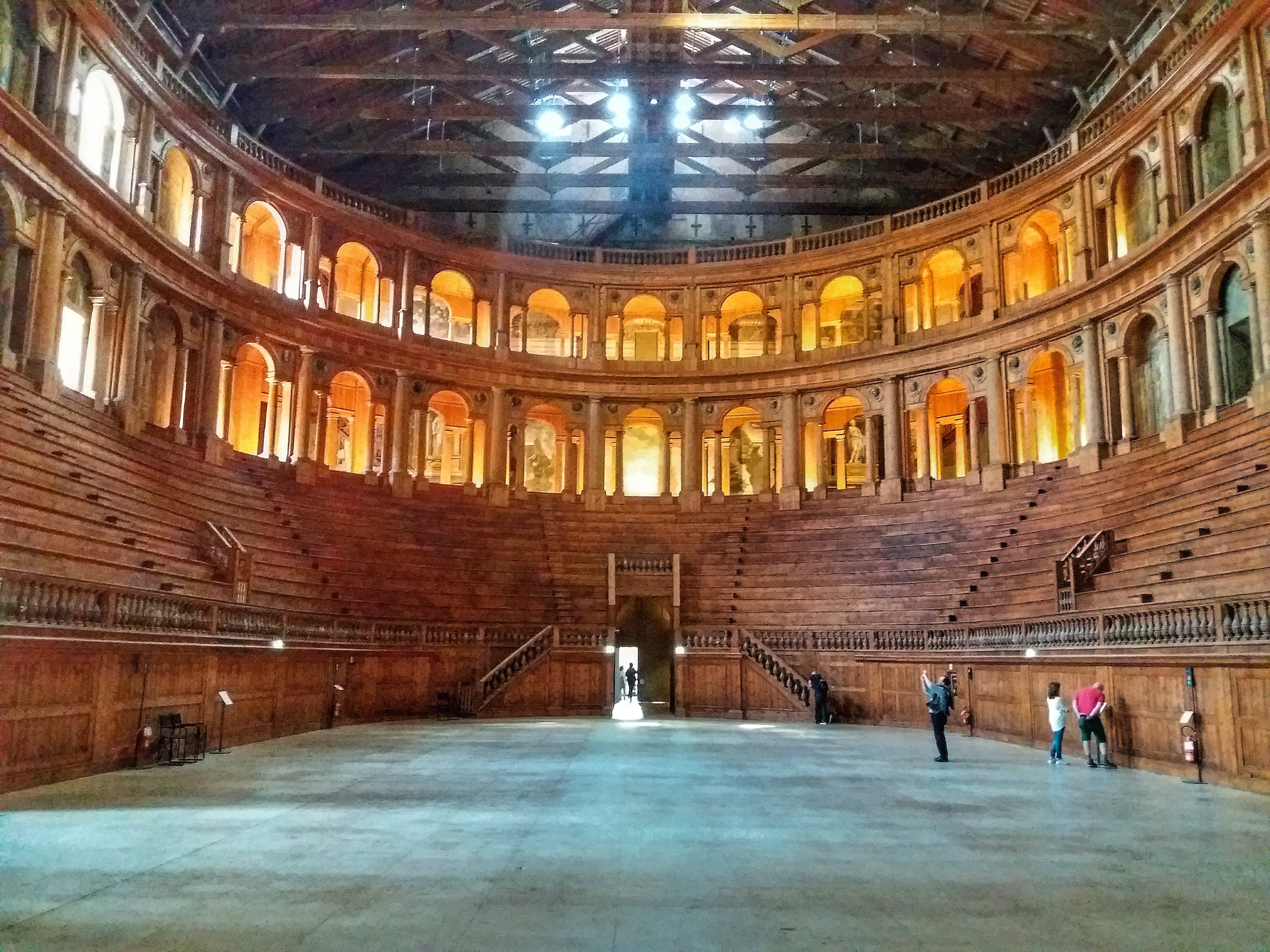
Culturally, Parma is steeped in rich traditions that celebrate both its artistic heritage and its culinary wealth. Annually, the city hosts various festivals, such as the Festival Verdi, which honors the composer Giuseppe Verdi, native to the region. This festival revives the operatic spirit, often showcasing performances in the very theatre that once echoed with the music of Monteverdi. The locals take pride in their vibrant customs, from the lively Palio di Parma, a historical horse race, to the culinary fairs that celebrate Parma’s famed products like prosciutto di Parma and parmigiano reggiano.
Speaking of gastronomy, Parma is a culinary paradise, known for its rich flavors and artisanal craftsmanship. The city’s namesake ham, prosciutto di Parma, is a staple on any local menu, celebrated for its delicate sweetness and melt-in-the-mouth texture. Pair this with a glass of Lambrusco, a sparkling red wine produced in the nearby vineyards, and you have a quintessential Parma experience. Don’t miss the Tortelli d’Erbetta, a pasta dish filled with a mix of herbs and cheese, capturing the essence of the region’s culinary traditions.
Among its many stories, few are as intriguing as the theatre's survival through the ravages of World War II. In May 1944, the Teatro Farnese suffered extensive damage during Allied bombing raids, leaving it nearly in ruins. Yet, the spirit of the theatre endured. By 1956, restorations were completed, carefully adhering to the original designs and ensuring that the theatre would continue to serve as a cultural beacon for generations to come.
For visitors hoping to experience the magic of the Teatro Farnese, the ideal time is during the spring and early autumn months. These seasons not only offer mild weather but also align with the city’s various cultural events. Be sure to check the theatre’s schedule for performances, as attending a show is the best way to appreciate the venue’s remarkable acoustics and ambiance. While exploring, take note of the intricate details in the theatre's design, such as the elaborate frescoes and gilded decorations that tell stories of the past.
As you wander through Parma, let the allure of the Teatro Farnese captivate your imagination, allowing the echoes of history and artistry to guide your journey. To create a personalized itinerary that captures the essence of this enchanting city, consider utilizing the Secret World app for tailored travel planning.


