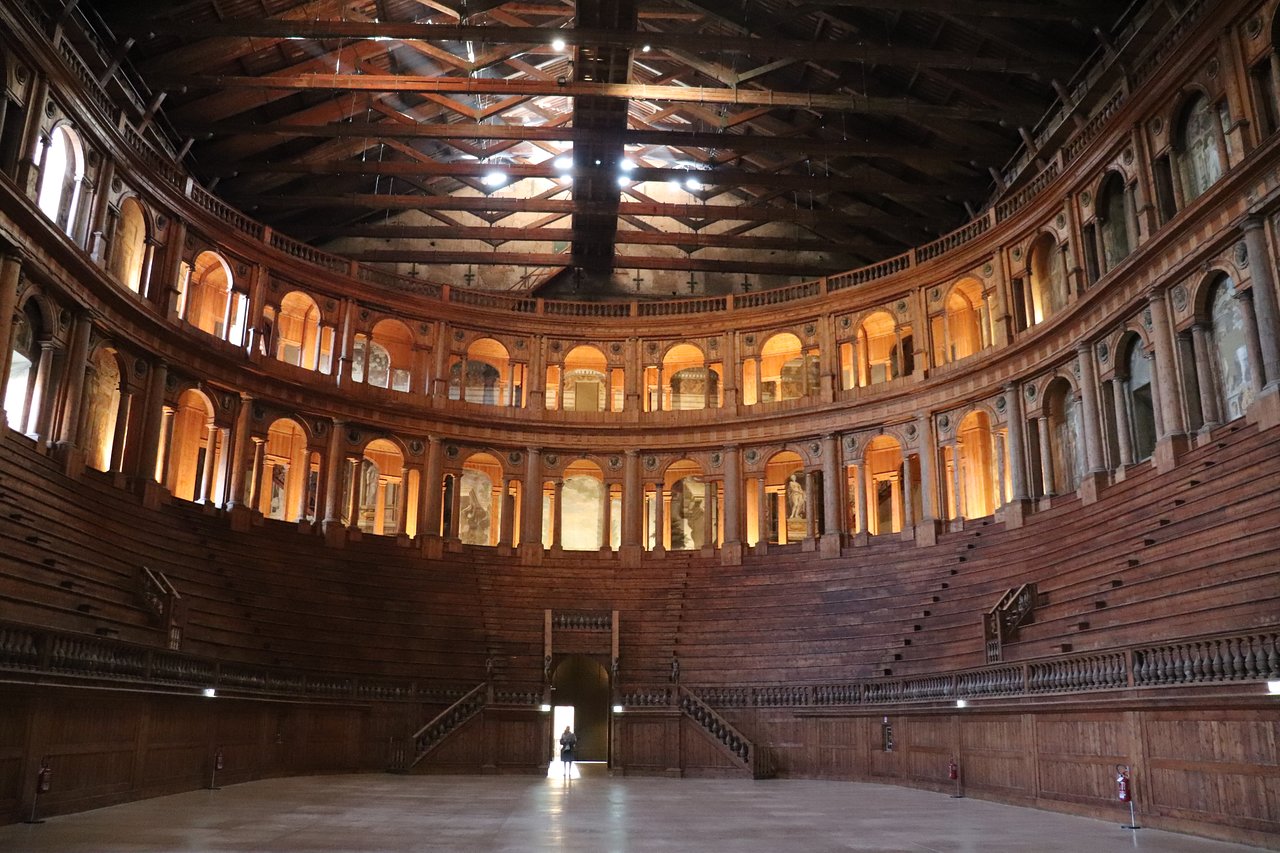

Nestled within the historic heart of Parma, the Farnese Theatre stands as a breathtaking testament to the grandeur of 17th-century Italian culture. This remarkable venue, located on the first floor of the Palazzo della Pilotta, is not just a theatre; it is a time capsule that echoes the ambitions and artistic endeavors of the Duke Ranuccio I Farnese and his court.
### History and Origins
Constructed between 1617 and 1618 under the guidance of the Ferrara architect Giovan Battista Aleotti, known as *l'Argenta*, the theatre was commissioned to commemorate a significant event: the visit of Cosimo II de' Medici, Grand Duke of Tuscany. This royal visit was meant to further a marriage alliance between the Farnese and the Medici families, highlighting the intricate web of political relationships in Renaissance Italy. Although the theatre was completed in 1618, it was not inaugurated until 1628 during the grand wedding festivities of Margherita de' Medici and Duke Odoardo Farnese. This lavish event featured the opera tournament *Mercury and Mars*, with music composed by the illustrious Claudio Monteverdi, showcasing the theatre's role in both high culture and diplomacy.
Sadly, the theatre's operational lifespan was cut short. Used only nine times for exclusive ducal weddings and significant state visits, its fate took a tragic turn during World War II. In May 1944, an Allied air raid nearly obliterated this architectural gem. However, thanks to extensive restoration efforts beginning in 1956, the theatre was meticulously rebuilt, and it has served as a gateway to the museum’s exhibition spaces since 1986.
### Art and Architecture
The Farnese Theatre is a brilliant example of Baroque architecture, characterized by its ornate details and lavish materials. Built primarily from wood and stucco, the theatre was designed to simulate the opulence of marble and precious metals, a clever illusion befitting the theatrical performances it housed. The interior is adorned with intricate frescos and elaborate carvings that speak to the artistic prowess of the period.
One of the most impressive aspects is the theatre’s unique proscenium arch, which showcases a blend of theatrical innovation and artistic craftsmanship. The stage is exquisitely designed, featuring elaborate machinery that allowed for spectacular scene changes, aligning with the Baroque fascination for drama and visual splendor. The theatre's acoustic engineering is equally remarkable, providing perfect sound for vocal performances, which was critical for operas and other theatrical productions of the era.
### Local Culture and Traditions
Parma is steeped in rich cultural traditions, and the Farnese Theatre plays a pivotal role in this narrative. The theatre is not merely a relic; it continues to inspire contemporary artists and performers. Events and festivals dedicated to opera and classical music often take place here, blending the city’s historical significance with its modern cultural landscape.
The local customs reflect a deep appreciation for the arts, with annual events such as the Verdi Festival, which celebrates the works of Giuseppe Verdi, a native of the region. The theatre’s influence extends to various local customs, often interwoven with the city's broader artistic endeavors, including visual arts, music, and cuisine.
### Gastronomy
No visit to Parma would be complete without indulging in its renowned gastronomy. The region is famous for its Parmesan cheese and Prosciutto di Parma, both of which reflect the area's agricultural heritage and dedication to quality. A typical meal might include a platter of these delicacies, paired with local wines such as Lambrusco or Malvasia.
Dining in Parma is often a communal experience, mirroring the convivial atmosphere of performances at the Farnese Theatre. Local restaurants frequently serve traditional dishes that resonate with the history of the city, such as tortelli d'erbetta (pasta stuffed with herbs) and cappelletti (small pasta filled with meat). These dishes not only satisfy the palate but also provide a taste of the rich cultural tapestry of the region.
### Lesser-Known Curiosities
While the Farnese Theatre is celebrated for its grandeur, there are intriguing details that many visitors overlook. For instance, the theatre’s original construction used materials intended for temporary structures, a choice that reflects the ephemerality of performance art itself. Additionally, the theatre's intimate atmosphere, with a capacity of just 400 seats, allows for a unique connection between performers and the audience, a stark contrast to the grandiosity of many larger venues.
Another lesser-known fact is that the theatre's elaborate machinery was state-of-the-art for its time, enabling the creation of stunning visual effects that left audiences in awe. This technological ingenuity was emblematic of the Renaissance spirit, where art, science, and engineering converged.
### Practical Visitor Information
The Farnese Theatre is best visited in the spring or early autumn when the weather in Parma is mild and the city buzzes with cultural activities. Guided tours are available, allowing visitors to delve into the theatre's storied past while enjoying the architectural beauty up close. Be sure to look for the detailed frescoes and ornate decorations that adorn the interior, as well as any special performances that may be scheduled during your visit.
To make the most of your experience, consider attending a live performance, which will immerse you in the ambience of this historical venue.
The Farnese Theatre in Parma is not just a place to visit; it is an experience that encapsulates the essence of Italian culture and history. For a personalized itinerary to explore the wonders of Parma, consider using the Secret World app to craft your adventure.